THE ADVENTURE COLLECTIVE® · Independent discovery and booking for outdoor travel

A demanding one‑day private trek to Vietnam’s highest peak, Fansipan rewards strong hikers with dramatic ridgelines, montane forests, and summit views. Expect 1,400 m of gain and a 10–12 hour push from Tram Ton Pass to the 3,143 m summit.
A demanding one‑day private trek to Vietnam’s highest peak, Fansipan rewards strong hikers with dramatic ridgelines, montane forests, and summit views. Expect 1,400 m of gain and a 10–12 hour push from Tram Ton Pass to the 3,143 m summit.
You stand at Tram Ton Pass (2,000 m) with cold wind pushing at your jacket and the ridge of Fansipan rising like a raw, folded line against the sky. The trail first slips through bamboo and mossy trunks, streams daring you to slow, then pitches steep and relentless toward the summit at 3,143 m.
Verified experiences and guided adventures in the surrounding area.
Operated by Authentic SAPA · Sapa, Lao Cai
You stand at Tram Ton Pass (2,000 m) with cold wind pushing at your jacket and the ridge of Fansipan rising like a raw, folded line against the sky. The trail first slips through bamboo and mossy trunks, streams daring you to slow, then pitches steep and relentless toward the summit at 3,143 m.
Fansipan is the roof of the Indochina Peninsula; its geology is a mix of ancient metamorphic rock sculpted by glacial and monsoonal forces. The trek traverses montane forest, rhododendron stands that flower in spring, and alpine scrub near the top. The Hmong and Dao communities around Sapa have long used these slopes for seasonal grazing and herbal gathering, and local porters and guides still carry the mountain’s cultural memory.
Expect 12–24 km round trip depending on route choices, roughly 1,400 m of elevation gain, and 10–12 hours of sustained effort for this one-day itinerary. A picnic lunch and bottled water are provided on typical private departures; descents can be by foot or by the cable car from the summit complex if you prefer to save knees on the return.
Practical guidance: start before first light to beat afternoon storms, layer for temperature swings from lowland warmth to summit chill, and bring sturdy, broken-in boots for steep, often muddy sections. Pace conservatively—altitude and sustained ascent fatigue quickly—and budget extra time for weather delays. This is a hard, high-gain day best suited to fit hikers with solid hill experience; the reward is panoramic, unique views across Vietnam and into China if skies clear.
difficult.
10–12 hours.
Requires a high level of cardiovascular fitness and experience with sustained uphill hiking; be comfortable with long days and significant elevation gain.
The typical one-day route is about 24 km round trip with approximately 1,400 m of cumulative elevation gain, taking 10–12 hours depending on pace and conditions.
The listed product is a private guided trek with an English-speaking guide; independent trekking is possible but navigation, permits, and safety considerations make a guide recommended.
Yes—many groups climb to the summit and descend by cable car to the station for a faster return to Sapa; schedule and fees vary, so plan in advance if you want that option.
Not recommended for pregnant travelers, those with significant cardiovascular or spinal conditions, or hikers without strong fitness and recent hill experience.
Fansipan has been a landmark for local Hmong and Dao communities for generations; the name derives from local languages and the summit served as a seasonal boundary and navigation point.
The area is sensitive to erosion from heavy foot traffic; stick to established trails, pack out waste, and support local guides who practice low-impact camping where necessary.
Authentic SAPA operates guided outdoor trips and adventures with an emphasis on safety, stewardship, and memorable experiences.
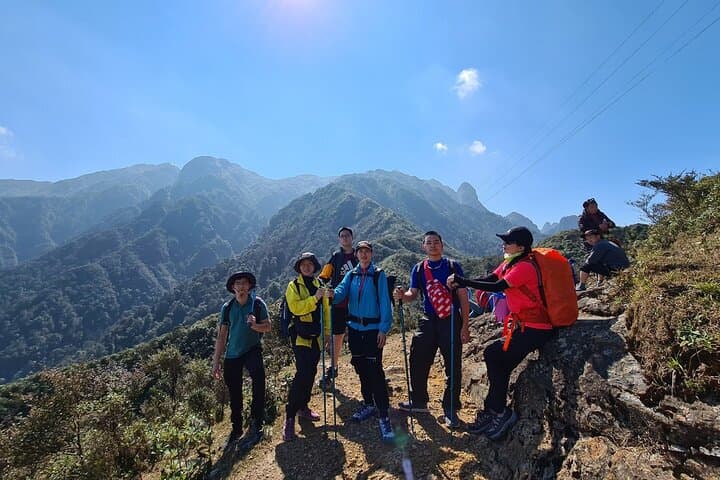
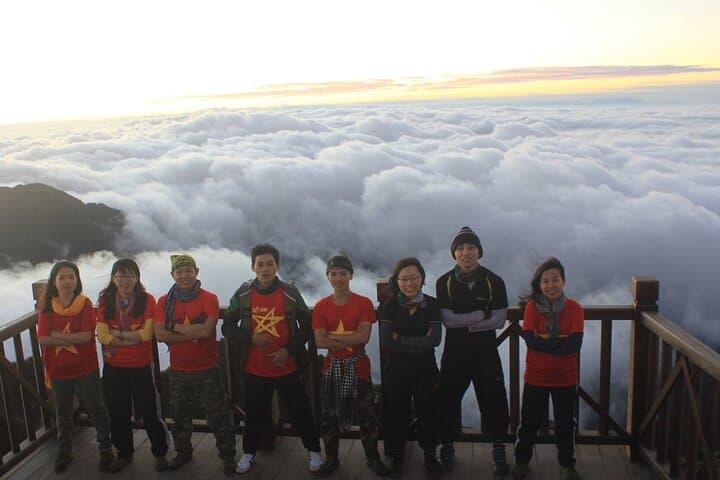
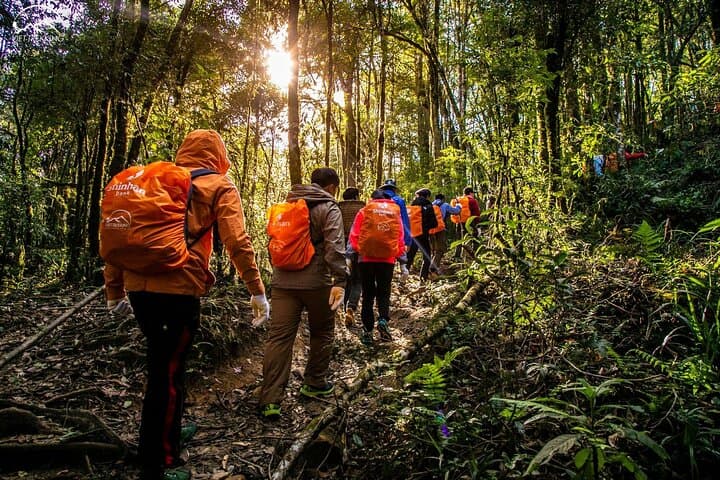
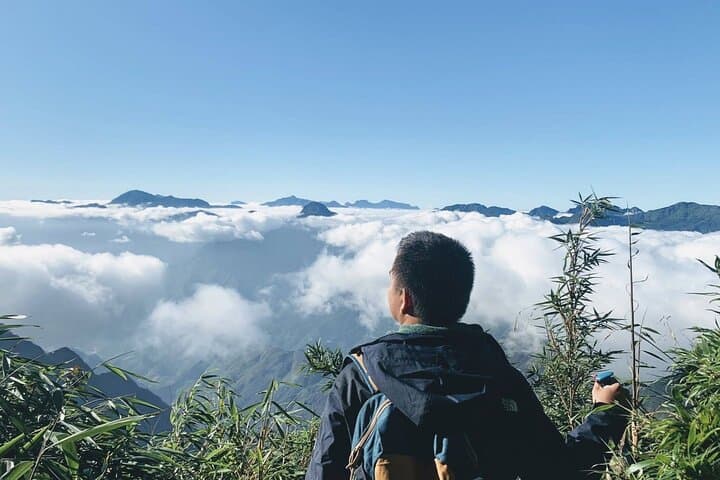
You stand at Tram Ton Pass (2,000 m) with cold wind pushing at your jacket and the ridge of Fansipan rising like a raw, folded line against the sky. The trail first slips through bamboo and mossy trunks, streams daring you to slow, then pitches steep and relentless toward the summit at 3,143 m.
You stand at Tram Ton Pass (2,000 m) with cold wind pushing at your jacket and the ridge of Fansipan rising like a raw, folded line against the sky. The trail first slips through bamboo and mossy trunks, streams daring you to slow, then pitches steep and relentless toward the summit at 3,143 m.
Fansipan is the roof of the Indochina Peninsula; its geology is a mix of ancient metamorphic rock sculpted by glacial and monsoonal forces. The trek traverses montane forest, rhododendron stands that flower in spring, and alpine scrub near the top. The Hmong and Dao communities around Sapa have long used these slopes for seasonal grazing and herbal gathering, and local porters and guides still carry the mountain’s cultural memory.
Expect 12–24 km round trip depending on route choices, roughly 1,400 m of elevation gain, and 10–12 hours of sustained effort for this one-day itinerary. A picnic lunch and bottled water are provided on typical private departures; descents can be by foot or by the cable car from the summit complex if you prefer to save knees on the return.
Practical guidance: start before first light to beat afternoon storms, layer for temperature swings from lowland warmth to summit chill, and bring sturdy, broken-in boots for steep, often muddy sections. Pace conservatively—altitude and sustained ascent fatigue quickly—and budget extra time for weather delays. This is a hard, high-gain day best suited to fit hikers with solid hill experience; the reward is panoramic, unique views across Vietnam and into China if skies clear.