THE ADVENTURE COLLECTIVE® · Independent discovery and booking for outdoor travel

Brace yourself for Death Road Peru, the world’s most dangerous mountain biking route. Starting high in the Andes near Cusco, this full-day tour combines breathtaking descents, rich local history, and a buffet lunch in remote mountain settings.
Brace yourself for Death Road Peru, the world’s most dangerous mountain biking route. Starting high in the Andes near Cusco, this full-day tour combines breathtaking descents, rich local history, and a buffet lunch in remote mountain settings.
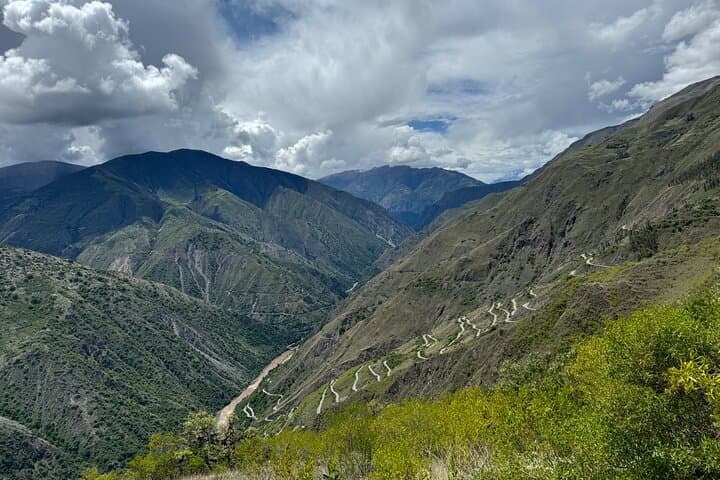
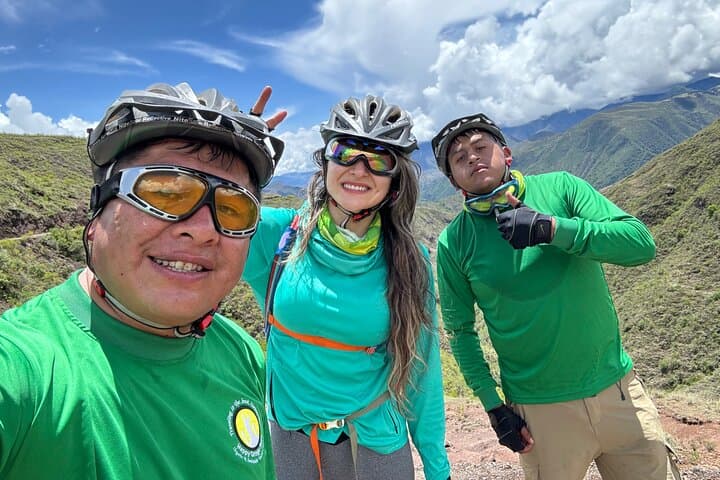
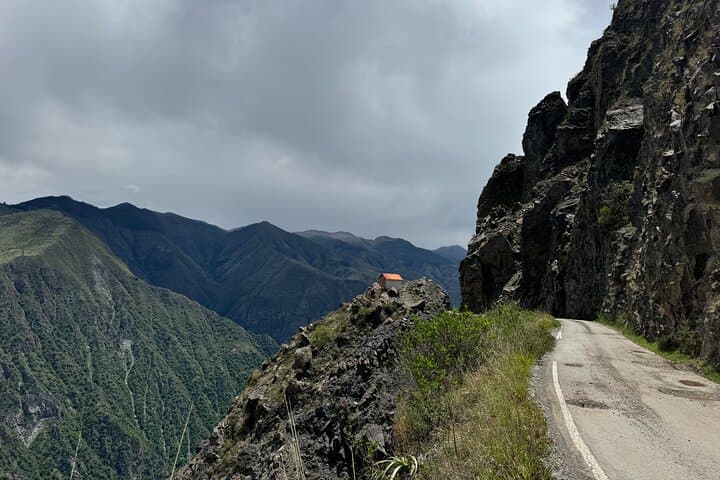
At dawn, the high Andes cradle the small village of Chinchaypucjio, perched at 3,700 meters (12,420 feet). Here, riders gather — helmets fastened and gloves snug — ready to face the harrowing descent known globally as the world’s most dangerous road. Death Road, or Huallpachaca Road, dares adventurers to test their limits, its narrow dirt path clinging precariously to mountainsides with sheer drops and sweeping valleys teasing below.
Verified experiences and guided adventures in the surrounding area.
Operated by Happy Gringo Tours · Cusco, Cusco Region
At dawn, the high Andes cradle the small village of Chinchaypucjio, perched at 3,700 meters (12,420 feet). Here, riders gather — helmets fastened and gloves snug — ready to face the harrowing descent known globally as the world’s most dangerous road. Death Road, or Huallpachaca Road, dares adventurers to test their limits, its narrow dirt path clinging precariously to mountainsides with sheer drops and sweeping valleys teasing below.
Originally constructed in the 1930s as a vital link between La Paz and Coroico in Bolivia, its Peruvian counterpart shares that raw, untamed spirit. Though modern asphalted highways have replaced its role, thrill-seekers keep the legend alive, navigating the steep gradients and switchbacks that snake through diverse Andean ecosystems — from high-altitude grasslands where the wind whispers secrets, to dense cloud forests alive with calls of hidden wildlife.
The geology here is a rugged storybook: weathered volcanic rock frames the drop-offs, while verdant vegetation sprawls aggressively over rocky slopes. The ride starts on paved surfaces but quickly shifts to dirt and gravel, demanding steady focus. Guides, fluent in English and steeped in local lore, lead the way, blending safety briefings with tales of the road’s perilous history and cultural significance.
Midway through the plunge, riders pause at a serene spot to enjoy a buffet lunch featuring local staples — a welcome energy boost amid the adrenaline surge. The fresh mountain air sharpens senses while conversations with fellow adventurers reveal a shared respect for the road's daunting reputation.
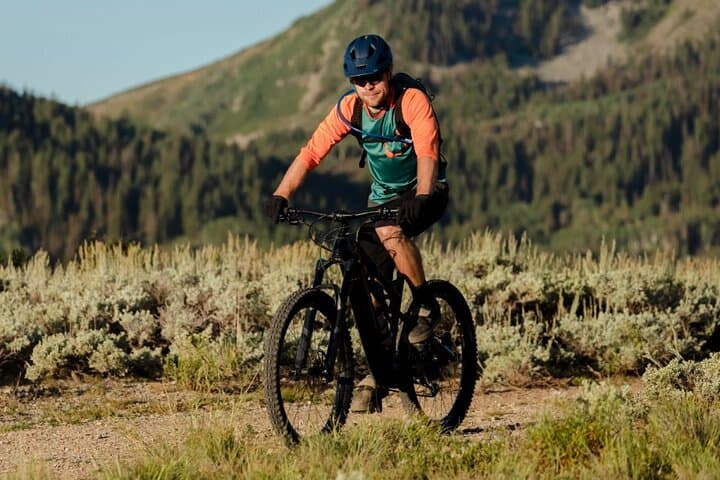
Covering approximately 64 kilometers (40 miles) with over a 3,500-meter (11,500-foot) descent, the tour takes around 3.5 to 4 hours of biking, punctuated by breaks. Despite the intensity, the terrain is mostly downhill, making it accessible to those with moderate fitness and no serious health issues. The environment demands quality gear: full-suspension bikes for rough patches, helmets, and gloves for protection.
Travelers begin and end in Cusco, where the altitude demands acclimatization before tackling this high-stakes course. Morning pickups set the day rolling early, ensuring ample daylight. Hydration packs are essential; water sources along the way are limited, and the dry climate is unforgiving. Footwear with strong grip enhances control and stability.
For those seeking a mountain biking experience fused with natural grandeur, local history, and an electrifying sense of challenge, Death Road Peru offers an unmatched expedition. It’s a ride where the earth seems alive — daring, watching, and rewarding every pedal stroke toward the finish line below.
challenging.
3.5–4 hours.
Moderate fitness required, including good cardiovascular health and leg strength for long downhill riding
While technical expert skills aren’t necessary, riders should be comfortable handling a bike on uneven terrain and know basic braking and balance techniques.
The ride starts at about 3,700 meters (12,420 feet), so acclimatization is strongly recommended to avoid altitude sickness.
Yes, the tour includes a full-suspension mountain bike, helmet, gloves, and protective gear.
A buffet lunch featuring local dishes is provided at a scenic spot halfway through the tour, along with snacks and beverages.
This tour is not recommended for pregnant travelers, those with spinal injuries, or poor cardiovascular health.
Round-trip transportation from Cusco to the starting point in Chinchaypucjio is included, with hotel pickup available.
Huallpachaca Road was built to connect remote mountain communities and has earned its reputation due to steep cliffs and narrow passages.
The area encourages responsible riding to protect fragile mountain ecosystems and minimize erosion along the trail.
Happy Gringo Tours operates guided outdoor trips and adventures with an emphasis on safety, stewardship, and memorable experiences.
At dawn, the high Andes cradle the small village of Chinchaypucjio, perched at 3,700 meters (12,420 feet). Here, riders gather — helmets fastened and gloves snug — ready to face the harrowing descent known globally as the world’s most dangerous road. Death Road, or Huallpachaca Road, dares adventurers to test their limits, its narrow dirt path clinging precariously to mountainsides with sheer drops and sweeping valleys teasing below.
At dawn, the high Andes cradle the small village of Chinchaypucjio, perched at 3,700 meters (12,420 feet). Here, riders gather — helmets fastened and gloves snug — ready to face the harrowing descent known globally as the world’s most dangerous road. Death Road, or Huallpachaca Road, dares adventurers to test their limits, its narrow dirt path clinging precariously to mountainsides with sheer drops and sweeping valleys teasing below.
Originally constructed in the 1930s as a vital link between La Paz and Coroico in Bolivia, its Peruvian counterpart shares that raw, untamed spirit. Though modern asphalted highways have replaced its role, thrill-seekers keep the legend alive, navigating the steep gradients and switchbacks that snake through diverse Andean ecosystems — from high-altitude grasslands where the wind whispers secrets, to dense cloud forests alive with calls of hidden wildlife.
The geology here is a rugged storybook: weathered volcanic rock frames the drop-offs, while verdant vegetation sprawls aggressively over rocky slopes. The ride starts on paved surfaces but quickly shifts to dirt and gravel, demanding steady focus. Guides, fluent in English and steeped in local lore, lead the way, blending safety briefings with tales of the road’s perilous history and cultural significance.
Midway through the plunge, riders pause at a serene spot to enjoy a buffet lunch featuring local staples — a welcome energy boost amid the adrenaline surge. The fresh mountain air sharpens senses while conversations with fellow adventurers reveal a shared respect for the road's daunting reputation.
Covering approximately 64 kilometers (40 miles) with over a 3,500-meter (11,500-foot) descent, the tour takes around 3.5 to 4 hours of biking, punctuated by breaks. Despite the intensity, the terrain is mostly downhill, making it accessible to those with moderate fitness and no serious health issues. The environment demands quality gear: full-suspension bikes for rough patches, helmets, and gloves for protection.
Travelers begin and end in Cusco, where the altitude demands acclimatization before tackling this high-stakes course. Morning pickups set the day rolling early, ensuring ample daylight. Hydration packs are essential; water sources along the way are limited, and the dry climate is unforgiving. Footwear with strong grip enhances control and stability.
For those seeking a mountain biking experience fused with natural grandeur, local history, and an electrifying sense of challenge, Death Road Peru offers an unmatched expedition. It’s a ride where the earth seems alive — daring, watching, and rewarding every pedal stroke toward the finish line below.