THE ADVENTURE COLLECTIVE® · Independent discovery and booking for outdoor travel

A full-day ascent from Salento up Cerro Morrogacho follows pasture tracks and Andean forest to a high ridge that overlooks Cocora Valley and the wax palms. Expect condors, changing microclimates and a windy summit—plan for layers and altitude.
A full-day ascent from Salento up Cerro Morrogacho follows pasture tracks and Andean forest to a high ridge that overlooks Cocora Valley and the wax palms. Expect condors, changing microclimates and a windy summit—plan for layers and altitude.
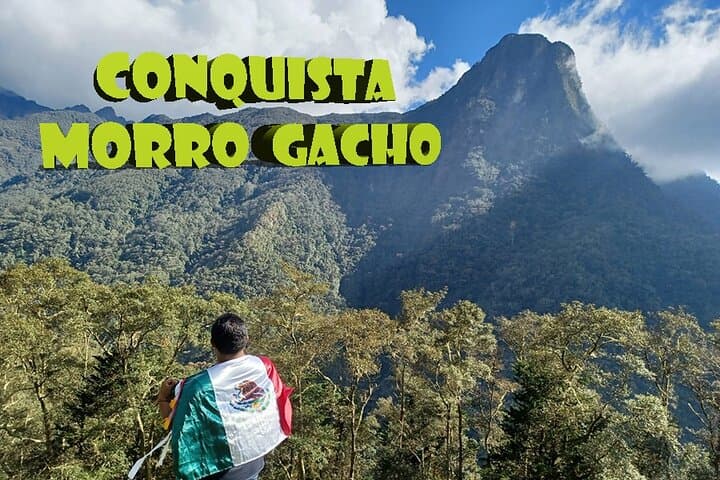
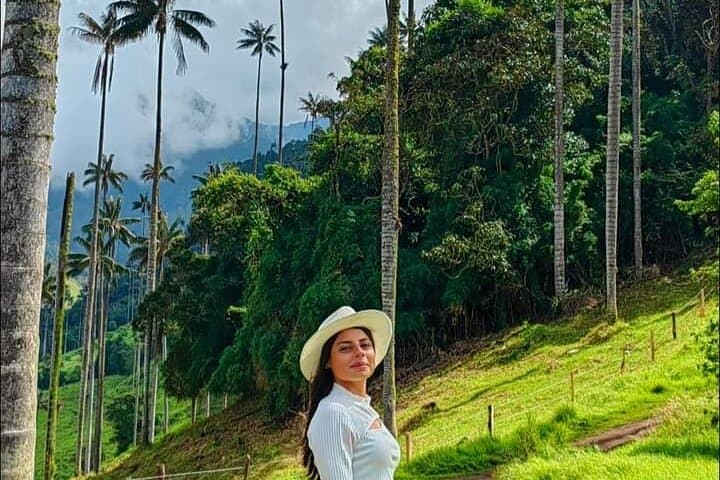
A cool mountain wind meets you as the trail peels away from the palm-dotted valley floor and begins to climb. You walk on the right flank of the Cocora Valley—first through pastures and traditional fincas, then into a band of Andean forest that narrows the sky to shafts of light between mossy trunks. After about 9 kilometers of steady ascent the trees open and the high ridge of Cerro Morrogacho rewards you with sweeping views over wax palms, the moor of Romerales and, on clear days, the silhouette of Nevado del Tolima.
Verified experiences and guided adventures in the surrounding area.
Operated by Cocoratours Valle de cocora · Salento, Quindío
A cool mountain wind meets you as the trail peels away from the palm-dotted valley floor and begins to climb. You walk on the right flank of the Cocora Valley—first through pastures and traditional fincas, then into a band of Andean forest that narrows the sky to shafts of light between mossy trunks. After about 9 kilometers of steady ascent the trees open and the high ridge of Cerro Morrogacho rewards you with sweeping views over wax palms, the moor of Romerales and, on clear days, the silhouette of Nevado del Tolima.
Geologically the hill is part of the eastern slopes feeding into the Andean cordillera; soils here are volcanic and acidic, and the microclimates shift fast with elevation. Culturally this route threads through coffee country—smallholdings and grazing plots give way to patches where hummingbirds and local farmsteads (like Casa de los Colibrís) still follow traditional practices.
Expect wildlife sightings: Andean condors glide on thermals, deer and mountain turkeys move quietly in the understory, and a chorus of passerines fills the forest. Winds strengthen near the summit, so approach the final ridge deliberately.
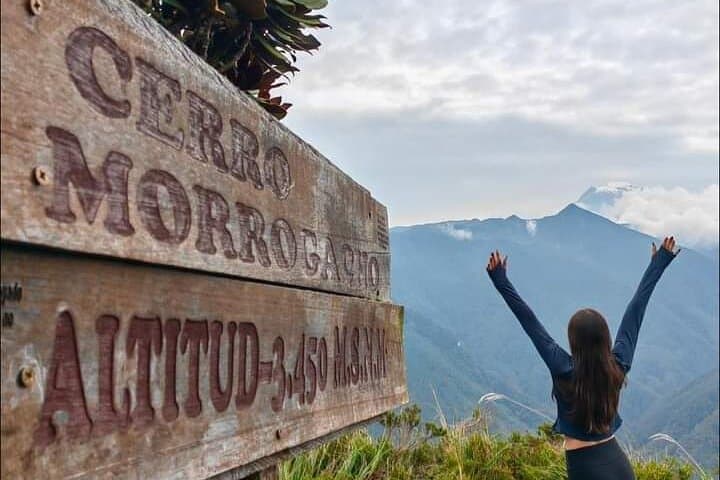
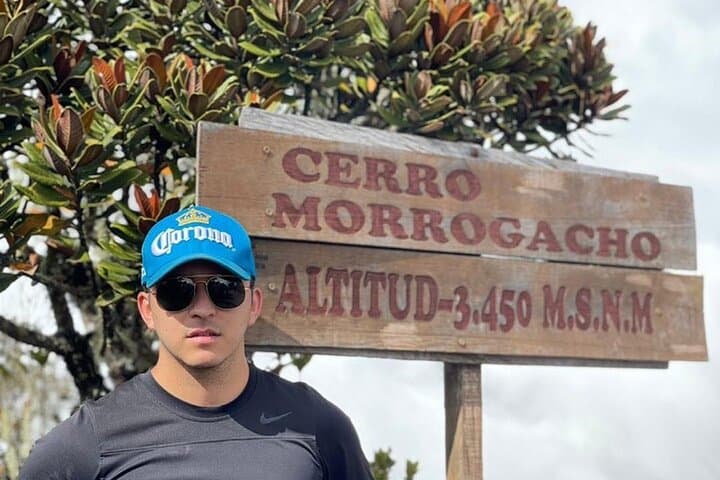
Practical guidance: allow 6–8 hours for the round trip, bring layers for sun, rain and wind, and carry at least 2 liters of water and snacks. Acclimatize if you’re coming from low altitude—the peak sits near 3,450 m—and wear sturdy, broken-in footwear for steep, sometimes muddy sections. Guided, private departures include local transport from Salento and a light peasant snack; reserve morning slots for the clearest views.
moderate.
6–8 hours.
Good general fitness with ability to sustain uphill hiking at altitude; accustomed walkers and moderate hikers will be comfortable.
The tour is roughly 9 km of ascent plus return, taking about 6–8 hours total; it’s moderate due to sustained climbing and altitude.
Those new to altitude should acclimatize first; physically fit beginners can manage with frequent rests and a guide.
Yes—Andean condors are occasionally observed riding thermals from the ridge; sightings aren’t guaranteed but are common on clear, calm days.
Typical inclusions are local transport from Salento, a Spanish-speaking guide, entrance to Cerro Morrogacho and a light peasant snack.
The route crosses traditional coffee and grazing land; local fincas and farm tracks reflect generations of smallholder agriculture shaping the Cocora landscape.
The wax palm is protected in this region—stay on marked trails, pack out waste and avoid disturbing nesting birds to minimize impact.
Cocoratours Valle de cocora operates guided outdoor trips and adventures with an emphasis on safety, stewardship, and memorable experiences.
A cool mountain wind meets you as the trail peels away from the palm-dotted valley floor and begins to climb. You walk on the right flank of the Cocora Valley—first through pastures and traditional fincas, then into a band of Andean forest that narrows the sky to shafts of light between mossy trunks. After about 9 kilometers of steady ascent the trees open and the high ridge of Cerro Morrogacho rewards you with sweeping views over wax palms, the moor of Romerales and, on clear days, the silhouette of Nevado del Tolima.
A cool mountain wind meets you as the trail peels away from the palm-dotted valley floor and begins to climb. You walk on the right flank of the Cocora Valley—first through pastures and traditional fincas, then into a band of Andean forest that narrows the sky to shafts of light between mossy trunks. After about 9 kilometers of steady ascent the trees open and the high ridge of Cerro Morrogacho rewards you with sweeping views over wax palms, the moor of Romerales and, on clear days, the silhouette of Nevado del Tolima.
Geologically the hill is part of the eastern slopes feeding into the Andean cordillera; soils here are volcanic and acidic, and the microclimates shift fast with elevation. Culturally this route threads through coffee country—smallholdings and grazing plots give way to patches where hummingbirds and local farmsteads (like Casa de los Colibrís) still follow traditional practices.
Expect wildlife sightings: Andean condors glide on thermals, deer and mountain turkeys move quietly in the understory, and a chorus of passerines fills the forest. Winds strengthen near the summit, so approach the final ridge deliberately.
Practical guidance: allow 6–8 hours for the round trip, bring layers for sun, rain and wind, and carry at least 2 liters of water and snacks. Acclimatize if you’re coming from low altitude—the peak sits near 3,450 m—and wear sturdy, broken-in footwear for steep, sometimes muddy sections. Guided, private departures include local transport from Salento and a light peasant snack; reserve morning slots for the clearest views.