THE ADVENTURE COLLECTIVE® · Independent discovery and booking for outdoor travel

Spend a full day with a local ecology guide across Connemara’s blanket bogs, beaches and the national park. Learn peatland science, taste edible seaweeds, and discover local history and wildlife on this interpretive private walk.
Spend a full day with a local ecology guide across Connemara’s blanket bogs, beaches and the national park. Learn peatland science, taste edible seaweeds, and discover local history and wildlife on this interpretive private walk.
You step out from the Visitors Centre courtyard and the Atlantic wind immediately rearranges your thoughts — salt on one side, turf-smell on the other — as your guide leads you toward the peatlands.
Verified experiences and guided adventures in the surrounding area.
Operated by Ireland Wild Escapes · Letterfrack, County Galway
You step out from the Visitors Centre courtyard and the Atlantic wind immediately rearranges your thoughts — salt on one side, turf-smell on the other — as your guide leads you toward the peatlands.
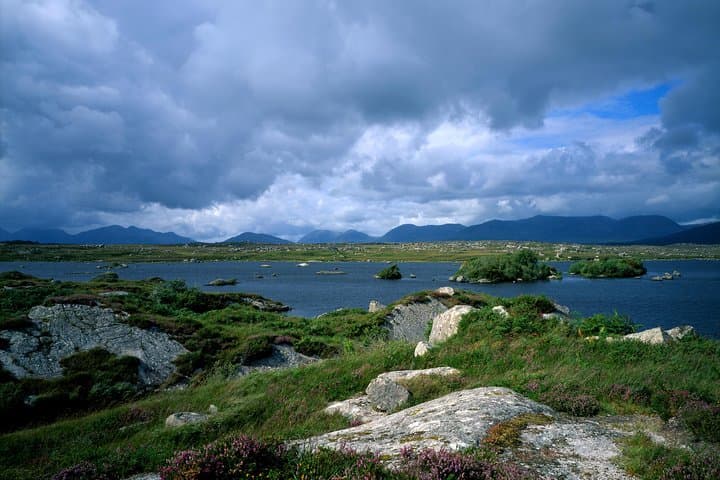
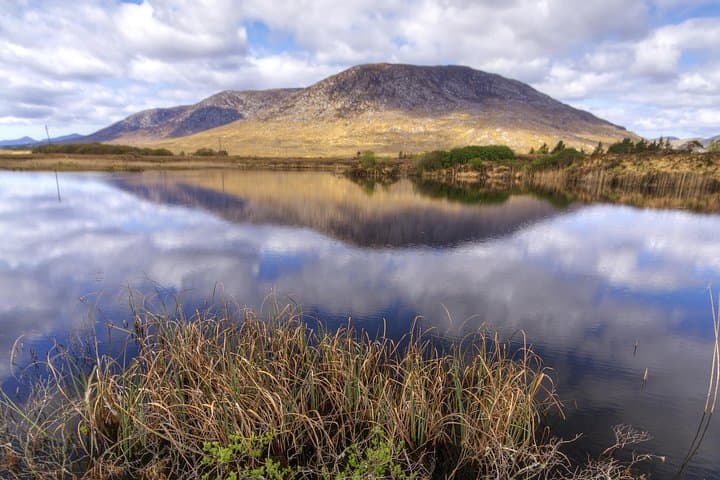
Across the blanket bog the ground gives in places, a gentle quiver underfoot where cotton-grass sways and sundews lift sticky beads to catch flies. The guide pauses to point out bog cotton, carnivorous sundews and the finest wild orchids clinging to roadside edges; each plant has adapted to acidity and standing water, and each tells the story of glacial deposits overlain by millennia of peat formation.
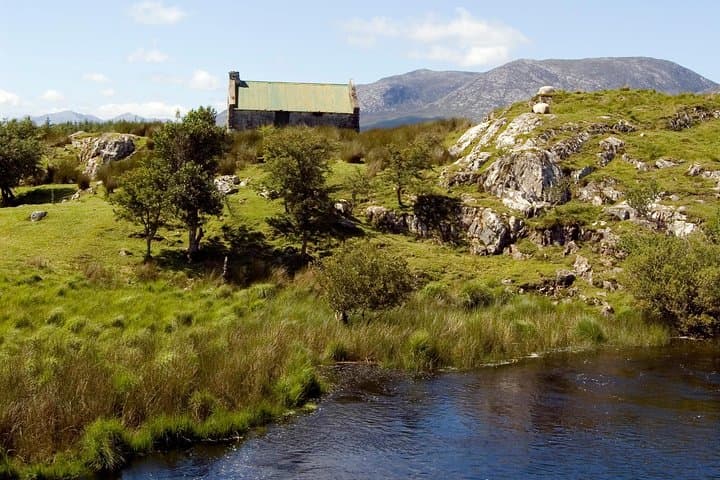
History shows here in human footprints: medieval shell middens on the strand, centuries of turf-cutting on the bog, and local folklore that ties people to place. Geology is exposed in low cliffs and erratics dropped by glaciers; offshore islands mark sightlines to Croagh Patrick, while otter runs punctuate the seashore.
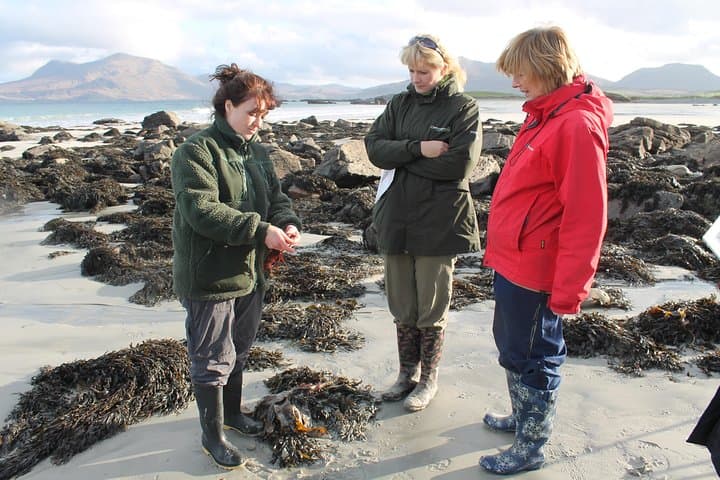
By afternoon the sands change the tempo — white strands, tidal rips, and a taste of edible seaweeds torn from rocks. The walk balances interpretation with hands-on moments: foraging demos, bog-formation explanation, and an ecological take on conservation.
Practical side: allow a full six hours, wear waterproof boots and layered outerwear, and expect uneven bog tracks and beach walking. Bring water, a packed lunch or plan to stop in a village pub afterward. The day is sensory, instructional and rooted in the real work of protecting Connemara’s rare habitats.
moderate.
6 hours.
Moderate — comfortable walking on uneven, sometimes wet ground for several hours; not suitable for those with serious mobility or cardio limits.
The private full-day tour runs about six hours and meets at the Connemara National Park Visitors Centre courtyard in Letterfrack.
Infants and small children can be in a pram, but many bog and beach sections are uneven; parents should assess suitability before booking.
Yes — the guide demonstrates edible seaweeds on the shore and offers small tastings, following safe foraging practices.
The operator runs in most weather; if the tour is canceled due to severe conditions you’ll be offered an alternative date or a refund per their policy.
The region’s blanket bog formed after the last glaciation; peat-cutting and medieval shell middens on some strands record centuries of human use.
Blanket bogs are internationally important carbon stores and protected habitats — stick to paths, avoid disturbing wildlife, and follow guide advice to minimize impact.
Ireland Wild Escapes operates guided outdoor trips and adventures with an emphasis on safety, stewardship, and memorable experiences.
You step out from the Visitors Centre courtyard and the Atlantic wind immediately rearranges your thoughts — salt on one side, turf-smell on the other — as your guide leads you toward the peatlands.
You step out from the Visitors Centre courtyard and the Atlantic wind immediately rearranges your thoughts — salt on one side, turf-smell on the other — as your guide leads you toward the peatlands.
Across the blanket bog the ground gives in places, a gentle quiver underfoot where cotton-grass sways and sundews lift sticky beads to catch flies. The guide pauses to point out bog cotton, carnivorous sundews and the finest wild orchids clinging to roadside edges; each plant has adapted to acidity and standing water, and each tells the story of glacial deposits overlain by millennia of peat formation.
History shows here in human footprints: medieval shell middens on the strand, centuries of turf-cutting on the bog, and local folklore that ties people to place. Geology is exposed in low cliffs and erratics dropped by glaciers; offshore islands mark sightlines to Croagh Patrick, while otter runs punctuate the seashore.
By afternoon the sands change the tempo — white strands, tidal rips, and a taste of edible seaweeds torn from rocks. The walk balances interpretation with hands-on moments: foraging demos, bog-formation explanation, and an ecological take on conservation.
Practical side: allow a full six hours, wear waterproof boots and layered outerwear, and expect uneven bog tracks and beach walking. Bring water, a packed lunch or plan to stop in a village pub afterward. The day is sensory, instructional and rooted in the real work of protecting Connemara’s rare habitats.