THE ADVENTURE COLLECTIVE® · Independent discovery and booking for outdoor travel

Spend a full day with an expert ghillie chasing Atlantic salmon and sea trout across Connemara’s rivers and Lough Corrib. This private, 1–2 angler experience pairs local knowledge with the best seasonal runs—ideal for anglers seeking guided freshwater fly fishing in western Ireland.
Spend a full day with an expert ghillie chasing Atlantic salmon and sea trout across Connemara’s rivers and Lough Corrib. This private, 1–2 angler experience pairs local knowledge with the best seasonal runs—ideal for anglers seeking guided freshwater fly fishing in western Ireland.
A low sun slides across bog and heather, turning the corrie lakes and braided rivers of Connemara into hammered silver. You step from Peacocks at Maam Cross into a land where wind shapes the hills and water writes the seasons; within an hour you’re sliding across Lough Corrib or cinching into a skiff at a river mouth, the guide’s low voice cutting through the gulls and surf—what looks like stillness is an appetite, waiting for the right tide and rain to push salmon upriver.
Verified experiences and guided adventures in the surrounding area.
Operated by Ireland Wild Escapes · Maam Cross, County Galway
A low sun slides across bog and heather, turning the corrie lakes and braided rivers of Connemara into hammered silver. You step from Peacocks at Maam Cross into a land where wind shapes the hills and water writes the seasons; within an hour you’re sliding across Lough Corrib or cinching into a skiff at a river mouth, the guide’s low voice cutting through the gulls and surf—what looks like stillness is an appetite, waiting for the right tide and rain to push salmon upriver.
Connemara’s coastline and inland loughs are products of glacial abrasion and limestone bedrock: shallow ribbon lakes, peat-stained rivers and tidal estuaries create a patchwork of holding pools and runs where Atlantic salmon and sea trout stage their migrations. Fishing here is less about brute strength and more about timing and reading water—pools that look empty will hide a fish tucked against a current seam, while a sudden rise in river level after rain can turn a slow section into a corridor for fresh salmon.
Fishing in the west of Ireland is threaded with local culture. Ghillies—keepers of river lore—work the same beats their grandparents read, and stories of big springers and late-summer grilse are swapped over thermoses of tea. The state license and local catch rules govern every rod; conservation-minded anglers practice catch-and-release on many beats to protect stocks that have felt pressure from historic overfishing and habitat change.
This full-day, private outing (1–2 anglers per boat) pairs you with an English- or French-speaking ghillie who knows where the fish hold and how to present a fly to a wary salmon. Most rivers see their first large salmon in April, with grilse arriving by June and peaks in July; late summer and early autumn bring pulses when the rivers run in spate after rain. The operator supplies permits, the state salmon and sea trout license, boat hire when needed, and a packed lunch.
Practicalities matter: wear layered, waterproof clothing and footwear with good grip; be ready to step into and out of boats—agility is required. Bring your preferred flies and a rod tuned to salmon/trout weights; polarized sunglasses help read seams. Life jackets are mandatory on Lough Corrib. The day can hinge on weather—heavy rain often makes for the best fishing, but safety comes first, and trips may be cancelled in poor conditions.
Whether you chase the first springers or the punchy summer grilse, a guided day in Connemara is as much a lesson in reading water and weather as it is about catching. The reward is a morning where the landscape feels in motion and a late afternoon when a salmon runs like a current through your memory.
moderate.
8 hours.
Moderate; you should be steady on your feet, able to climb in/out of boats, and stand for long casting periods
Yes—the trip includes the State salmon and sea trout license and any local permits required for the beats you fish.
Maximum two anglers per boat; trips are private and typically accommodate 1–2 fishermen.
Suitable for all fitness levels, but anglers should be able to board boats and handle basic fly-casting; ghillies provide instruction.
Spring (April–May) for early salmon after the Mayfly hatch and June–July for grilse; autumn can produce runs after heavy rain.
Basic boat hire and permits are included; confirm if specific rods, reels or waders are available or bring your own favorites.
Trips may be cancelled for safety; the operator monitors conditions and will advise if rescheduling is necessary.
Connemara’s rivers and loughs have supported angling communities for generations; ghillies carry local place names and seasonal knowledge passed down through families.
Anglers are encouraged to follow catch-and-release best practices and local regulations; restoring riparian habitat and responsible stocking are priorities for sustaining salmon runs.
Ireland Wild Escapes operates guided outdoor trips and adventures with an emphasis on safety, stewardship, and memorable experiences.
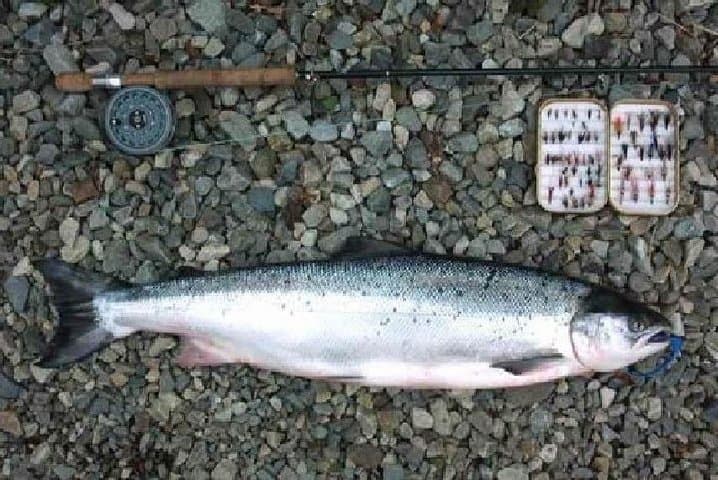
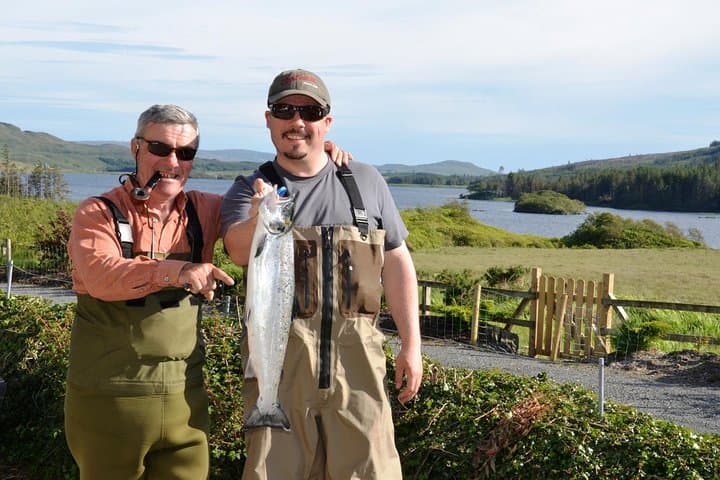
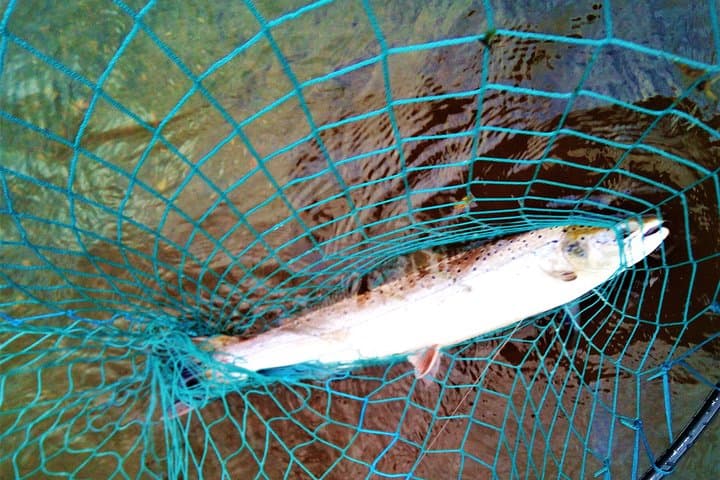
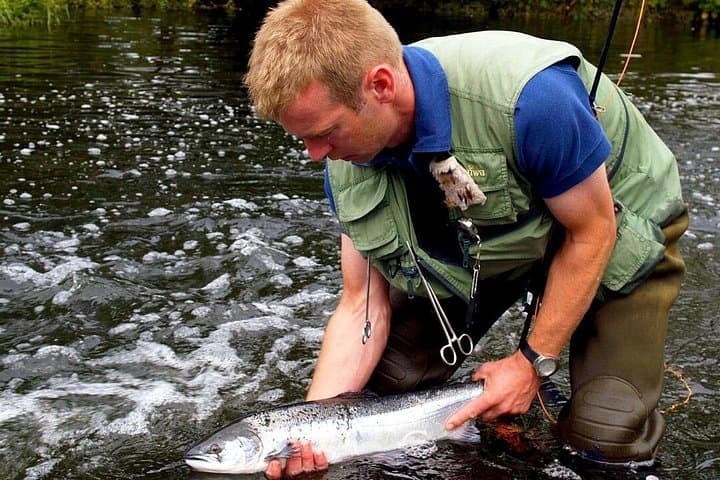
A low sun slides across bog and heather, turning the corrie lakes and braided rivers of Connemara into hammered silver. You step from Peacocks at Maam Cross into a land where wind shapes the hills and water writes the seasons; within an hour you’re sliding across Lough Corrib or cinching into a skiff at a river mouth, the guide’s low voice cutting through the gulls and surf—what looks like stillness is an appetite, waiting for the right tide and rain to push salmon upriver.
A low sun slides across bog and heather, turning the corrie lakes and braided rivers of Connemara into hammered silver. You step from Peacocks at Maam Cross into a land where wind shapes the hills and water writes the seasons; within an hour you’re sliding across Lough Corrib or cinching into a skiff at a river mouth, the guide’s low voice cutting through the gulls and surf—what looks like stillness is an appetite, waiting for the right tide and rain to push salmon upriver.
Connemara’s coastline and inland loughs are products of glacial abrasion and limestone bedrock: shallow ribbon lakes, peat-stained rivers and tidal estuaries create a patchwork of holding pools and runs where Atlantic salmon and sea trout stage their migrations. Fishing here is less about brute strength and more about timing and reading water—pools that look empty will hide a fish tucked against a current seam, while a sudden rise in river level after rain can turn a slow section into a corridor for fresh salmon.
Fishing in the west of Ireland is threaded with local culture. Ghillies—keepers of river lore—work the same beats their grandparents read, and stories of big springers and late-summer grilse are swapped over thermoses of tea. The state license and local catch rules govern every rod; conservation-minded anglers practice catch-and-release on many beats to protect stocks that have felt pressure from historic overfishing and habitat change.
This full-day, private outing (1–2 anglers per boat) pairs you with an English- or French-speaking ghillie who knows where the fish hold and how to present a fly to a wary salmon. Most rivers see their first large salmon in April, with grilse arriving by June and peaks in July; late summer and early autumn bring pulses when the rivers run in spate after rain. The operator supplies permits, the state salmon and sea trout license, boat hire when needed, and a packed lunch.
Practicalities matter: wear layered, waterproof clothing and footwear with good grip; be ready to step into and out of boats—agility is required. Bring your preferred flies and a rod tuned to salmon/trout weights; polarized sunglasses help read seams. Life jackets are mandatory on Lough Corrib. The day can hinge on weather—heavy rain often makes for the best fishing, but safety comes first, and trips may be cancelled in poor conditions.
Whether you chase the first springers or the punchy summer grilse, a guided day in Connemara is as much a lesson in reading water and weather as it is about catching. The reward is a morning where the landscape feels in motion and a late afternoon when a salmon runs like a current through your memory.