THE ADVENTURE COLLECTIVE® · Independent discovery and booking for outdoor travel

Step into the cool, moss-draped corridors of Tongass National Forest and follow Connell Lake Trail to a lake-front outlook beneath Brown Mountain. This guided 3–4 hour hike from Ketchikan combines old-growth forest, glacially-shaped terrain, and practical guidance for first-time southeast Alaska hikers.
Step into the cool, moss-draped corridors of Tongass National Forest and follow Connell Lake Trail to a lake-front outlook beneath Brown Mountain. This guided 3–4 hour hike from Ketchikan combines old-growth forest, glacially-shaped terrain, and practical guidance for first-time southeast Alaska hikers.
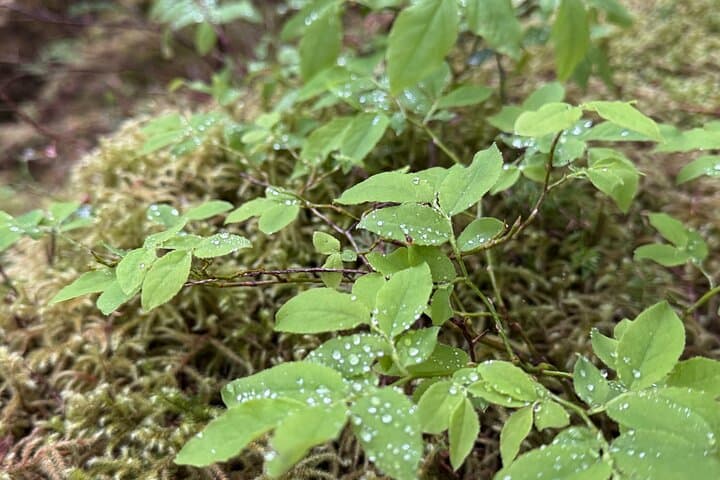
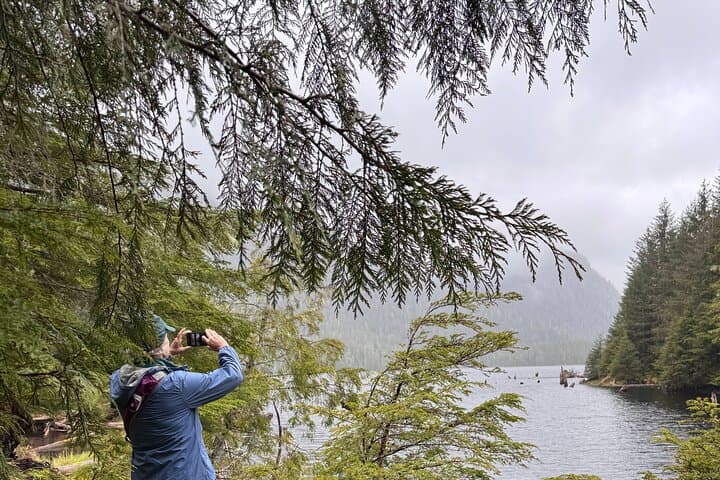
The trail opens like a breath — cool, damp air carrying cedar and spruce as you step off the gravel road into a tunnel of old-growth. Moss hangs from branches; small streams thread across the path; glimpses of Connell Lake appear through a break in the trees with Brown Mountain rising beyond.
Verified experiences and guided adventures in the surrounding area.
Operated by Dawn · Ketchikan, Alaska
The trail opens like a breath — cool, damp air carrying cedar and spruce as you step off the gravel road into a tunnel of old-growth. Moss hangs from branches; small streams thread across the path; glimpses of Connell Lake appear through a break in the trees with Brown Mountain rising beyond.
This stretch of the Tongass National Forest sits on the temperate rainforest margin of southeastern Alaska, carved by glaciers and dominated by Sitka spruce and western hemlock. The geology is coastal sedimentary rock and glacial till, producing rounded ridges and sheltered basins where lakes like Connell collect clear, tannin-stained water. The region’s Tlingit heritage informs local place names and traditional uses; guides often point out berry patches and areas historically used for fish camps.
Practically, the Connell Lake Trail is an easy-to-moderate 3–4 hour outing on unpaved paths with short hills and some loose gravel. Expect wet conditions year-round; trails can be slick and the air brisk even in summer. The guided tour includes bottled water, snacks, a cinch bag, and a poncho if you need one.
Plan for layered rain gear, grippy footwear, and slower footing on roots and rocks. Start mid-morning to catch clearer light over the lake and avoid the dampest hours. Keep a moderate fitness baseline — frequent short grades and uneven terrain will test ankles more than lungs.
Follow Leave No Trace: pack out all trash, avoid trampling vegetation, and give wildlife space. For anyone looking to trade a cruise-port bustle for forest quiet, Connell Lake delivers a concise, richly forested slice of the Tongass with manageable logistics and unmistakable Alaskan character.
moderate.
3–4 hours.
Should be comfortable walking on uneven ground for several miles with short, loose gravel climbs; moderate cardiovascular fitness recommended.
The guided outing runs about 3–4 hours and is rated easy-to-moderate with unpaved trail, short hills, and occasional loose gravel—suitable for those with moderate fitness.
Meet at the Ketchikan Visitor Center near the Rock statue; the guide from Island Girl Hiking Co. meets participants there and returns to the same point at the end.
Yes—the tour includes a guide, bottled water, packed snacks, a cinch bag, and ponchos if you don’t have rain gear.
Children with adequate stamina can join; service animals are allowed, but the trail is not recommended for travelers who need frequent assistance or have significant mobility limitations.
This area lies within the traditional lands of the Tlingit people; local place names and seasonal food-gathering practices reflect long-standing cultural ties to the forest and shoreline.
Tongass is managed as a national forest with active conservation efforts to protect old-growth stands and salmon-bearing streams; stay on trail and pack out waste to minimize impact.
Dawn operates guided outdoor trips and adventures with an emphasis on safety, stewardship, and memorable experiences.


The trail opens like a breath — cool, damp air carrying cedar and spruce as you step off the gravel road into a tunnel of old-growth. Moss hangs from branches; small streams thread across the path; glimpses of Connell Lake appear through a break in the trees with Brown Mountain rising beyond.
The trail opens like a breath — cool, damp air carrying cedar and spruce as you step off the gravel road into a tunnel of old-growth. Moss hangs from branches; small streams thread across the path; glimpses of Connell Lake appear through a break in the trees with Brown Mountain rising beyond.
This stretch of the Tongass National Forest sits on the temperate rainforest margin of southeastern Alaska, carved by glaciers and dominated by Sitka spruce and western hemlock. The geology is coastal sedimentary rock and glacial till, producing rounded ridges and sheltered basins where lakes like Connell collect clear, tannin-stained water. The region’s Tlingit heritage informs local place names and traditional uses; guides often point out berry patches and areas historically used for fish camps.
Practically, the Connell Lake Trail is an easy-to-moderate 3–4 hour outing on unpaved paths with short hills and some loose gravel. Expect wet conditions year-round; trails can be slick and the air brisk even in summer. The guided tour includes bottled water, snacks, a cinch bag, and a poncho if you need one.
Plan for layered rain gear, grippy footwear, and slower footing on roots and rocks. Start mid-morning to catch clearer light over the lake and avoid the dampest hours. Keep a moderate fitness baseline — frequent short grades and uneven terrain will test ankles more than lungs.
Follow Leave No Trace: pack out all trash, avoid trampling vegetation, and give wildlife space. For anyone looking to trade a cruise-port bustle for forest quiet, Connell Lake delivers a concise, richly forested slice of the Tongass with manageable logistics and unmistakable Alaskan character.