THE ADVENTURE COLLECTIVE® · Independent discovery and booking for outdoor travel

Walk Berlin’s industrial past and present on a 3–4 hour route from Kindl’s art-filled brewery to the Berghain power station and the Boros bunker. This urban architecture tour pairs industrial engineering with contemporary culture and practical local insight.
Walk Berlin’s industrial past and present on a 3–4 hour route from Kindl’s art-filled brewery to the Berghain power station and the Boros bunker. This urban architecture tour pairs industrial engineering with contemporary culture and practical local insight.
You step out into Neukölln with the city’s raw bones around you: brick facades scarred by industry, a converted brewery hosting glowing contemporary installations, and the low winter light catching on steel and concrete.
Verified experiences and guided adventures in the surrounding area.
Operated by Concrete & Raw Walks · Berlin, Berlin
You step out into Neukölln with the city’s raw bones around you: brick facades scarred by industry, a converted brewery hosting glowing contemporary installations, and the low winter light catching on steel and concrete.
This three- to four-hour walking tour threads through Berlin’s industrial spine—from Kindl’s cavernous galleries to the RWE Gelände in Mitte, the hulking form of Berghain’s former power station, and the Boros bunker, where wartime concrete meets curated contemporary art. Each stop reveals a chapter of Berlin’s 20th-century transformation: rapid industrial growth, wartime utility, postwar abandonment, and the creative repurposing that defines the city today.
Geology here is urban: clay-rich soils and canal-side groundwater shaped where factories rose; the buildings themselves tell the structural story—massive load-bearing walls and exposed concrete slabs inviting reinterpretation. Culturally, the route traces migration, labor history, and the DIY arts scene that reclaimed disused spaces in the 1990s and 2000s.
Practically, expect mostly paved streets and short indoor visits; the pace is steady but accessible to anyone with moderate fitness. Wear supportive shoes, bring a public-transport ticket for gaps between sites, and allow time for photography—these are working neighborhoods with active nightlife and tight security at certain venues.
Plan for variable weather and some stairs inside repurposed buildings. The tour blends architecture, urban history, and contemporary culture into a compact field trip that reads like a city in motion—industrial past daring you to see what comes next.
moderate.
3–4 hours.
Moderate—able to walk several kilometers with short stair climbs
No—this tour covers commentary and exterior access; admissions to private venues like Boros may be excluded or require separate booking depending on availability.
The route is family-friendly but some interiors and themes may not be appropriate for very young children; check age recommendations when booking.
Parts of the tour include stairs and uneven pavement; contact the operator ahead of time to discuss mobility needs and alternative routing.
Tours are typically offered in English; check the booking page for available language options and confirm when reserving.
The tour highlights Berlin’s industrial boom in the late 19th and early 20th centuries, wartime repurposing, and the post‑reunification cultural reclamation of abandoned factories.
Adaptive reuse reduces demolition waste and preserves historic fabric; stay on paths and respect private property to support sustainable urban tourism.
Concrete & Raw Walks operates guided outdoor trips and adventures with an emphasis on safety, stewardship, and memorable experiences.
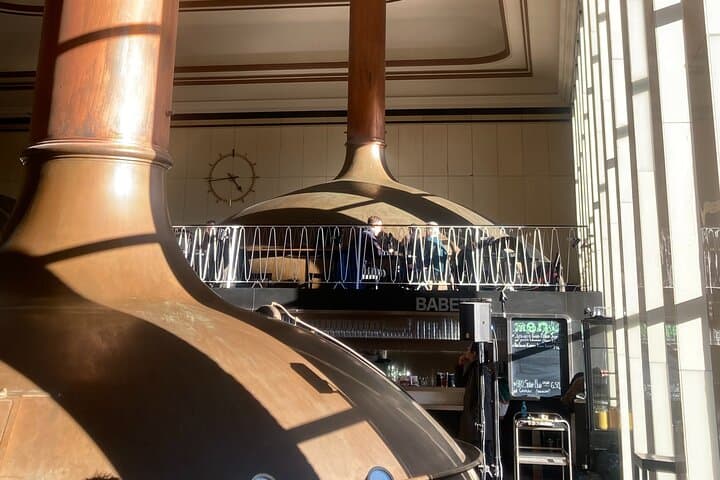
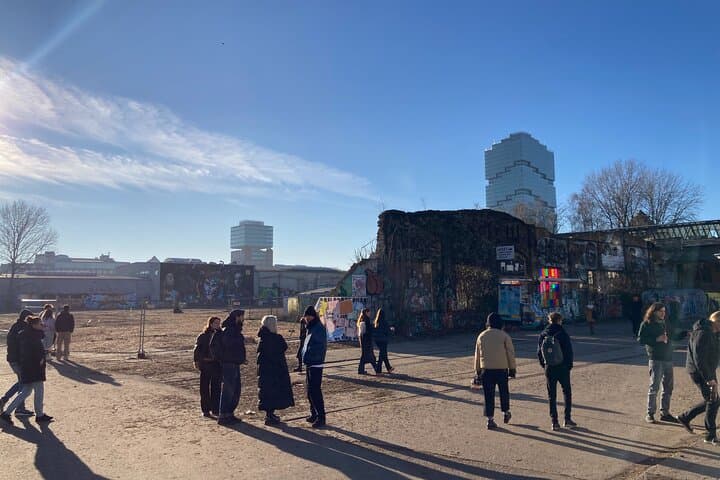
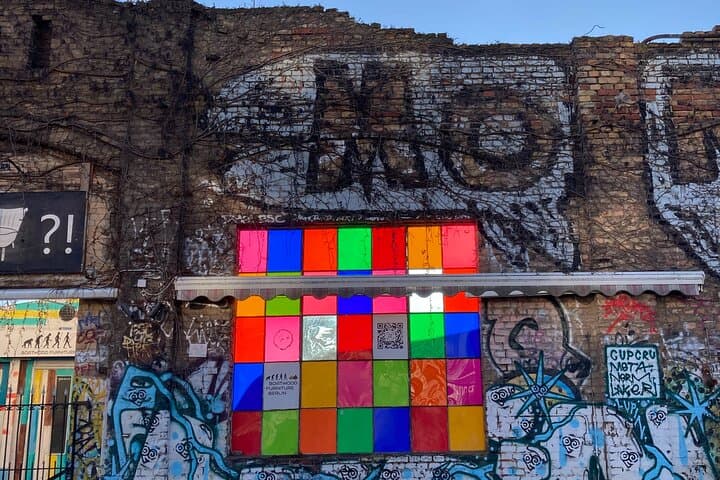
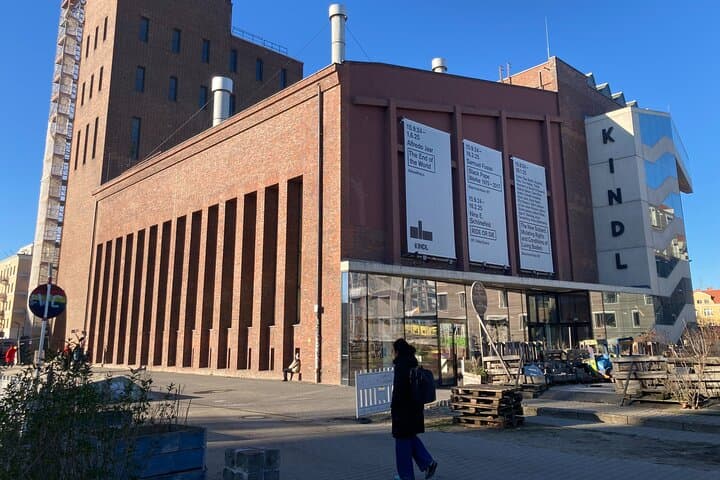
You step out into Neukölln with the city’s raw bones around you: brick facades scarred by industry, a converted brewery hosting glowing contemporary installations, and the low winter light catching on steel and concrete.
You step out into Neukölln with the city’s raw bones around you: brick facades scarred by industry, a converted brewery hosting glowing contemporary installations, and the low winter light catching on steel and concrete.
This three- to four-hour walking tour threads through Berlin’s industrial spine—from Kindl’s cavernous galleries to the RWE Gelände in Mitte, the hulking form of Berghain’s former power station, and the Boros bunker, where wartime concrete meets curated contemporary art. Each stop reveals a chapter of Berlin’s 20th-century transformation: rapid industrial growth, wartime utility, postwar abandonment, and the creative repurposing that defines the city today.
Geology here is urban: clay-rich soils and canal-side groundwater shaped where factories rose; the buildings themselves tell the structural story—massive load-bearing walls and exposed concrete slabs inviting reinterpretation. Culturally, the route traces migration, labor history, and the DIY arts scene that reclaimed disused spaces in the 1990s and 2000s.
Practically, expect mostly paved streets and short indoor visits; the pace is steady but accessible to anyone with moderate fitness. Wear supportive shoes, bring a public-transport ticket for gaps between sites, and allow time for photography—these are working neighborhoods with active nightlife and tight security at certain venues.
Plan for variable weather and some stairs inside repurposed buildings. The tour blends architecture, urban history, and contemporary culture into a compact field trip that reads like a city in motion—industrial past daring you to see what comes next.