THE ADVENTURE COLLECTIVE® · Independent discovery and booking for outdoor travel

Skip the shore scramble and let the crew guide you to Bonaire’s less-crowded reefs. This private two-tank boat dive pairs personalized service with easy access to coral gardens, drop-offs, and frequent turtle encounters.
Skip the shore scramble and let the crew guide you to Bonaire’s less-crowded reefs. This private two-tank boat dive pairs personalized service with easy access to coral gardens, drop-offs, and frequent turtle encounters.
You step aboard in Kralendijk as the harbor breathes salt and trade wind; the boat rocks gently, crew moving with practiced efficiency while the sea ahead beckons. Within an hour you cut through blue to reefs that keep their distance from shore — ledges, coral gardens, and the occasional wall where light narrows into shafts.
Verified experiences and guided adventures in the surrounding area.
Operated by Let's Go Dive Bonaire · Kralendijk, Bonaire
You step aboard in Kralendijk as the harbor breathes salt and trade wind; the boat rocks gently, crew moving with practiced efficiency while the sea ahead beckons. Within an hour you cut through blue to reefs that keep their distance from shore — ledges, coral gardens, and the occasional wall where light narrows into shafts.
Bonaire’s reefs are part of the Bonaire National Marine Park, one of the earliest marine protected areas in the Caribbean, created to protect its resilient fringing reefs and marine life. The island’s geology — a low carbonate platform with submerged limestone edges — produces shallow coral terraces that drop steeply into deeper water, making both sheltered gardens and dramatic drop-offs easy to reach by boat.
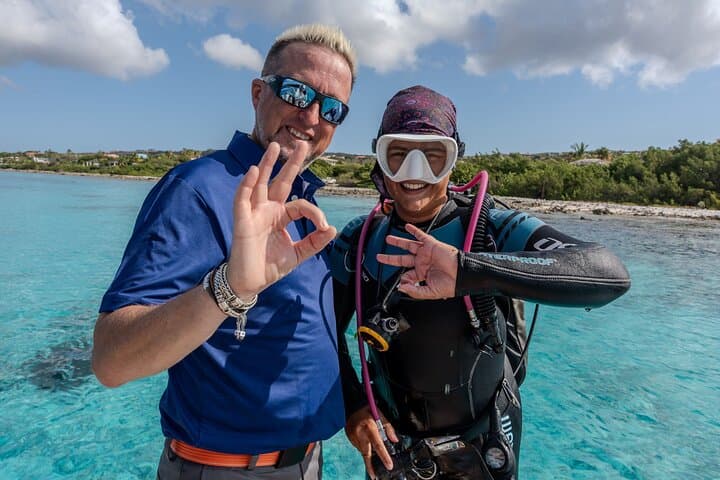
Local culture is quietly nautical: fishermen, salt workers, and divers who've long understood the reef's value. Your crew’s concierge approach reflects that ethic: small groups, careful briefings, and respect for reef rules — mooring buoys instead of anchors, minimal impact on corals.
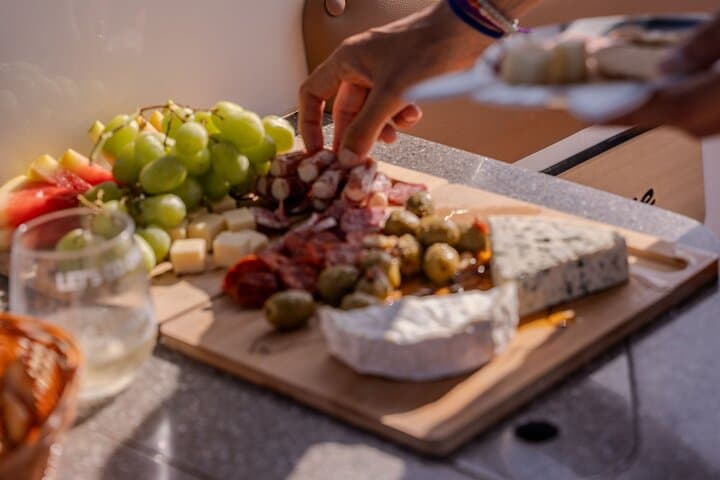
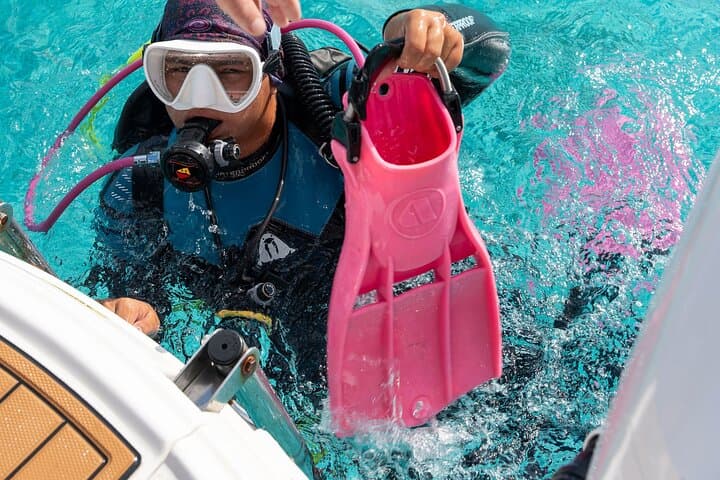
Practically, expect two guided dives over roughly five hours. Surface intervals are unhurried: snacks, tropical fruit and a charcuterie spread between descents. Bring your certification card, a reliable mask, reef-safe sunscreen, and motion-sickness remedies if you’re prone. Fitness should be moderate — boat dives require moving gear and entering from ladders. Note the 18‑hour no‑flying recommendation after multiple dives and the standard 24‑hour cancellation window on bookings.
This trip is about convenience, access, and quiet encounters with turtles, rays, and dense coral life — a small-group way to see Bonaire’s best underwater without the scramble of shore logistics.
moderate.
5 hours.
Moderate fitness: able to climb ladders, carry light personal gear, and complete two dives with surface intervals.
Yes — participants must hold a recognized Open Water certification and present their certification card before diving.
The tour includes two guided boat dives, crew equipment setup, surface snacks (fruit and charcuterie), and complimentary beverages; confirm specifics with the operator.
This is a private small‑group booking designed for up to four divers; a minimum of two participants is usually required for departure.
Full refunds are typically available if you cancel at least 24 hours before the scheduled departure; bad weather can also trigger cancellations.
Bonaire established its Marine Park in 1979, an early move to protect its coral and fisheries and shape the island’s dive‑centric economy.
Operators use mooring buoys, brief divers on low‑impact practices, and encourage reef‑safe sunscreen and no‑take behavior to limit damage to corals and fish populations.
Let's Go Dive Bonaire operates guided outdoor trips and adventures with an emphasis on safety, stewardship, and memorable experiences.
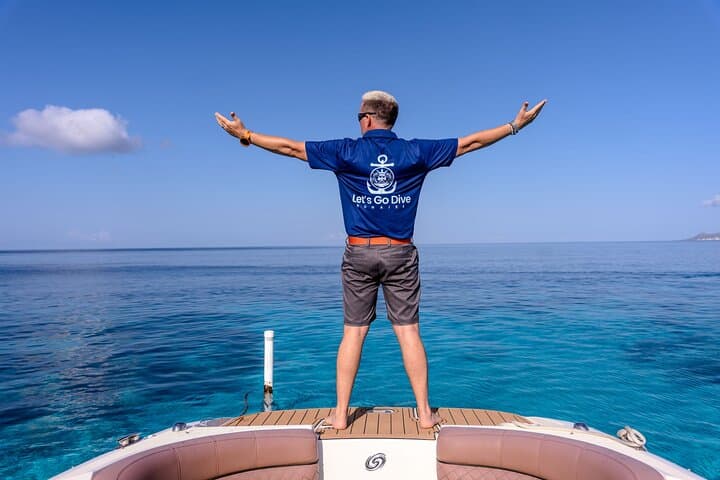
You step aboard in Kralendijk as the harbor breathes salt and trade wind; the boat rocks gently, crew moving with practiced efficiency while the sea ahead beckons. Within an hour you cut through blue to reefs that keep their distance from shore — ledges, coral gardens, and the occasional wall where light narrows into shafts.
You step aboard in Kralendijk as the harbor breathes salt and trade wind; the boat rocks gently, crew moving with practiced efficiency while the sea ahead beckons. Within an hour you cut through blue to reefs that keep their distance from shore — ledges, coral gardens, and the occasional wall where light narrows into shafts.
Bonaire’s reefs are part of the Bonaire National Marine Park, one of the earliest marine protected areas in the Caribbean, created to protect its resilient fringing reefs and marine life. The island’s geology — a low carbonate platform with submerged limestone edges — produces shallow coral terraces that drop steeply into deeper water, making both sheltered gardens and dramatic drop-offs easy to reach by boat.
Local culture is quietly nautical: fishermen, salt workers, and divers who've long understood the reef's value. Your crew’s concierge approach reflects that ethic: small groups, careful briefings, and respect for reef rules — mooring buoys instead of anchors, minimal impact on corals.
Practically, expect two guided dives over roughly five hours. Surface intervals are unhurried: snacks, tropical fruit and a charcuterie spread between descents. Bring your certification card, a reliable mask, reef-safe sunscreen, and motion-sickness remedies if you’re prone. Fitness should be moderate — boat dives require moving gear and entering from ladders. Note the 18‑hour no‑flying recommendation after multiple dives and the standard 24‑hour cancellation window on bookings.
This trip is about convenience, access, and quiet encounters with turtles, rays, and dense coral life — a small-group way to see Bonaire’s best underwater without the scramble of shore logistics.