THE ADVENTURE COLLECTIVE® · Independent discovery and booking for outdoor travel

A private day trek on Concepción Volcano delivers raw volcanic climbs, lakefront villages, and local stories—all in one long day. This practical guide explains what to expect on the 9–10 hour excursion and how to prepare for steep scree, sudden weather, and dramatic views.
A private day trek on Concepción Volcano delivers raw volcanic climbs, lakefront villages, and local stories—all in one long day. This practical guide explains what to expect on the 9–10 hour excursion and how to prepare for steep scree, sudden weather, and dramatic views.
You step off the ferry onto red volcanic sand and the volcano looms—Concepción cutting a textbook cone against a wide tropical sky. The air smells of damp leaf litter and distant smoke; a band of farmers and fishing boats slide along the lake’s rim as your private guide sorts your permits and points to the jagged route that climbs from jungle into scree. This is Ometepe: an island made of two volcanoes rising from Lake Nicaragua, and for a day you move from shoreline village to near-crater heights.
Verified experiences and guided adventures in the surrounding area.
Operated by taxiGo Limo Airport Service · Moyogalpa, Rivas
You step off the ferry onto red volcanic sand and the volcano looms—Concepción cutting a textbook cone against a wide tropical sky. The air smells of damp leaf litter and distant smoke; a band of farmers and fishing boats slide along the lake’s rim as your private guide sorts your permits and points to the jagged route that climbs from jungle into scree. This is Ometepe: an island made of two volcanoes rising from Lake Nicaragua, and for a day you move from shoreline village to near-crater heights.
Concepción is an active stratovolcano crowned at roughly 1,610 meters. Geologically it is young and abrupt; lava flows and ash have created steep, unstable slopes that channel water and seed fertile farms below. Human history here blends pre-Columbian petroglyph sites and colonial era cattle haciendas—local communities still farm the basalt-rich soil and maintain footpaths that become your trail.
The guided route tackled on many private day tours is roughly 10–15 km roundtrip with about 1,400–1,600 m of elevation gain if you attempt a near-summit push. The first kilometers thread humid broadleaf forest—lianas, heliconias and occasional howler calls—before the trail gives way to loose volcanic rock, pumice, and patches of exposed bedrock. The ascent alternates steep switchbacks and short scramble sections; near the upper slopes wind and ash remind you that the mountain is alive.
Culturally, guides are often local islanders who grew up on these slopes; their stories link fumaroles to farmers’ folklore and petroglyph sites to ancestor rituals. Many private tours include a stop at a local finca for coffee or a short village walk, giving a human scale to the landscape.
Practical edge: this is a full-day outing—expect 9–10 hours from hotel pickup to return. Start before dawn when possible to beat heat, keep a steady pace on scree, and use trekking poles for balance on loose sections. Carry 2–3 liters of water, high-energy snacks, and a lightweight waterproof layer—rain can arrive suddenly. Footwear should be supportive with good tread; gaiters help against ash and grit.
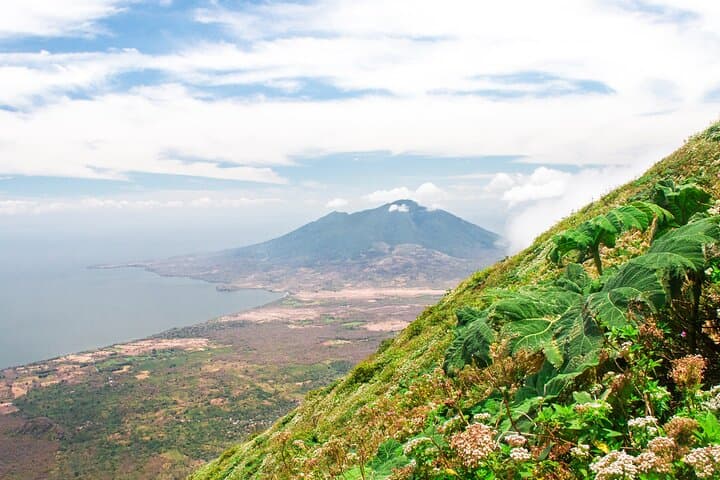
Guides arrange transport and entrance fees, but confirm what portion of the volcano you will summit—full summit attempts are strenuous and weather-dependent. Respect local rules: stay on marked trails to reduce erosion, carry out all trash, and avoid disturbing fragile volcanic soils. When clouds peel back near the rim you’ll get a sweeping view of Lake Nicaragua, the twin cone of Maderas opposite, and a landscape that shifts fast—lush at the base, raw and exposed at altitude. That contrast is the island’s draw: accessible wilderness with culture waiting at trail’s end.
moderate.
9–10 hours.
Should be in good, regular hiking shape—able to sustain steady climbing for several hours and handle steep descents.
A full summit is challenging: steep, loose slopes and ~1,400–1,600 m of elevation gain. Many private tours do a partial ascent—confirm with the operator.
Most operators include entrance fees and permits in their private-tour pricing—verify at booking.
Layered clothing, a sun hat, sturdy boots, and a waterproof outer layer; changeable conditions demand flexibility.
Expect limited or no cell service above the forest line; plan accordingly and rely on your guide for emergencies.
The operator notes moderate fitness is required—discuss mobility limitations with the provider; some guests choose a shorter guided walk instead of the full ascent.
Dry season (roughly November–April) offers more stable weather and clearer summit views, though mornings are preferable year-round.
Ometepe is formed by two volcanoes, Concepción and Maderas; the island has been inhabited since pre-Columbian times and contains petroglyphs and archaeological sites.
Trail erosion and improper waste disposal are local concerns—stick to marked routes, pack out trash, and support community-run conservation efforts.
taxiGo Limo Airport Service operates guided outdoor trips and adventures with an emphasis on safety, stewardship, and memorable experiences.
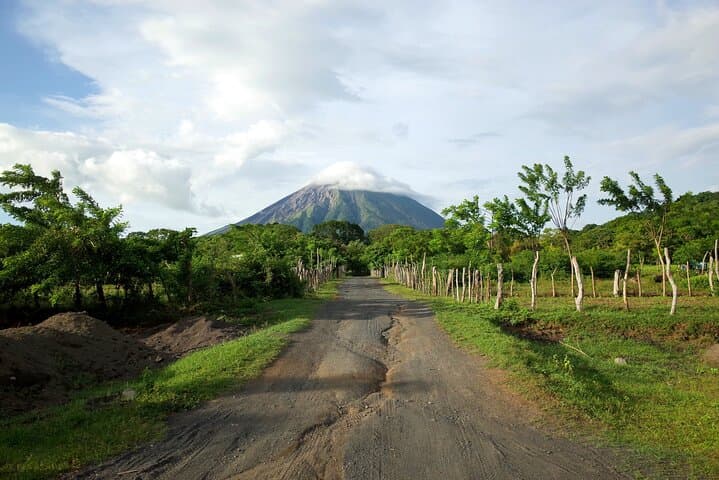

You step off the ferry onto red volcanic sand and the volcano looms—Concepción cutting a textbook cone against a wide tropical sky. The air smells of damp leaf litter and distant smoke; a band of farmers and fishing boats slide along the lake’s rim as your private guide sorts your permits and points to the jagged route that climbs from jungle into scree. This is Ometepe: an island made of two volcanoes rising from Lake Nicaragua, and for a day you move from shoreline village to near-crater heights.
You step off the ferry onto red volcanic sand and the volcano looms—Concepción cutting a textbook cone against a wide tropical sky. The air smells of damp leaf litter and distant smoke; a band of farmers and fishing boats slide along the lake’s rim as your private guide sorts your permits and points to the jagged route that climbs from jungle into scree. This is Ometepe: an island made of two volcanoes rising from Lake Nicaragua, and for a day you move from shoreline village to near-crater heights.
Concepción is an active stratovolcano crowned at roughly 1,610 meters. Geologically it is young and abrupt; lava flows and ash have created steep, unstable slopes that channel water and seed fertile farms below. Human history here blends pre-Columbian petroglyph sites and colonial era cattle haciendas—local communities still farm the basalt-rich soil and maintain footpaths that become your trail.
The guided route tackled on many private day tours is roughly 10–15 km roundtrip with about 1,400–1,600 m of elevation gain if you attempt a near-summit push. The first kilometers thread humid broadleaf forest—lianas, heliconias and occasional howler calls—before the trail gives way to loose volcanic rock, pumice, and patches of exposed bedrock. The ascent alternates steep switchbacks and short scramble sections; near the upper slopes wind and ash remind you that the mountain is alive.
Culturally, guides are often local islanders who grew up on these slopes; their stories link fumaroles to farmers’ folklore and petroglyph sites to ancestor rituals. Many private tours include a stop at a local finca for coffee or a short village walk, giving a human scale to the landscape.
Practical edge: this is a full-day outing—expect 9–10 hours from hotel pickup to return. Start before dawn when possible to beat heat, keep a steady pace on scree, and use trekking poles for balance on loose sections. Carry 2–3 liters of water, high-energy snacks, and a lightweight waterproof layer—rain can arrive suddenly. Footwear should be supportive with good tread; gaiters help against ash and grit.
Guides arrange transport and entrance fees, but confirm what portion of the volcano you will summit—full summit attempts are strenuous and weather-dependent. Respect local rules: stay on marked trails to reduce erosion, carry out all trash, and avoid disturbing fragile volcanic soils. When clouds peel back near the rim you’ll get a sweeping view of Lake Nicaragua, the twin cone of Maderas opposite, and a landscape that shifts fast—lush at the base, raw and exposed at altitude. That contrast is the island’s draw: accessible wilderness with culture waiting at trail’s end.