THE ADVENTURE COLLECTIVE® · Independent discovery and booking for outdoor travel

Walk Skanderbeg Square to the Pyramid on a compact, interpretive tour that combines Tirana’s Ottoman roots, communist-era landmarks, and lively Blloku nightlife. Expect guided history, city views from the Pyramid, and insider tips on where to eat.
Walk Skanderbeg Square to the Pyramid on a compact, interpretive tour that combines Tirana’s Ottoman roots, communist-era landmarks, and lively Blloku nightlife. Expect guided history, city views from the Pyramid, and insider tips on where to eat.
You step into Skanderbeg Square and the city unfolds like a living map: the Skanderbeg statue faces the National History Museum’s mural, minaret shadows cut across the Clock Tower, and the Pyramid rises nearby like an argument between past and future.
Verified experiences and guided adventures in the surrounding area.
Operated by Local Walking Tours of Tirana · Tirana, Tirana
You step into Skanderbeg Square and the city unfolds like a living map: the Skanderbeg statue faces the National History Museum’s mural, minaret shadows cut across the Clock Tower, and the Pyramid rises nearby like an argument between past and future.
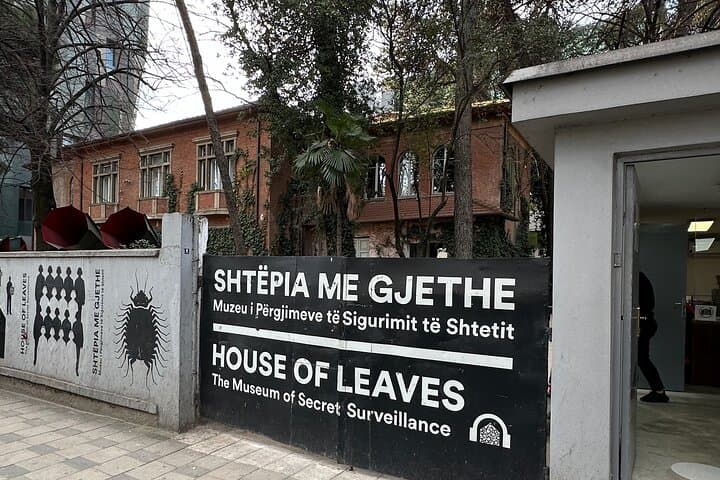
This three-hour loop threads Tirana’s 20th-century story — Ottoman lanes, Italian-era façades, and the stark geometry of the communist period. Geographically the capital sits on a gentle plain beneath Mount Dajt; the urban grid and broad boulevards were shaped as much by politics as by terrain. Cultural rhythms change block by block: the mosaic of the National History Museum speaks to nation-building, Blloku once closed to the public now hums with cafés, while Bunk’Art 2 and the House of Leaves push visitors to reckon with recent memory.
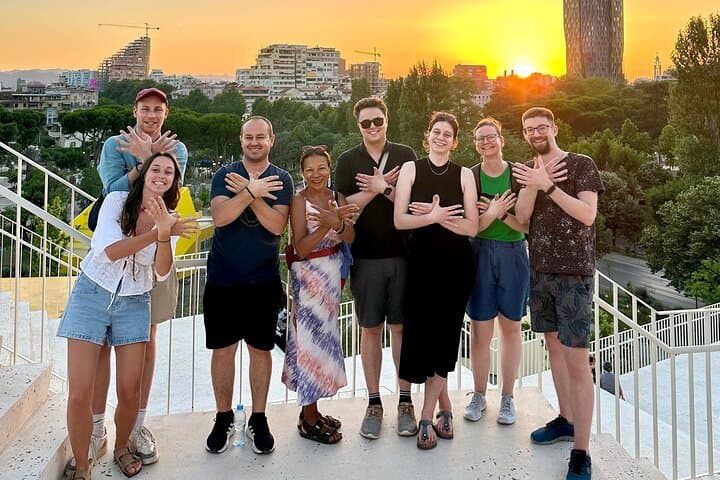
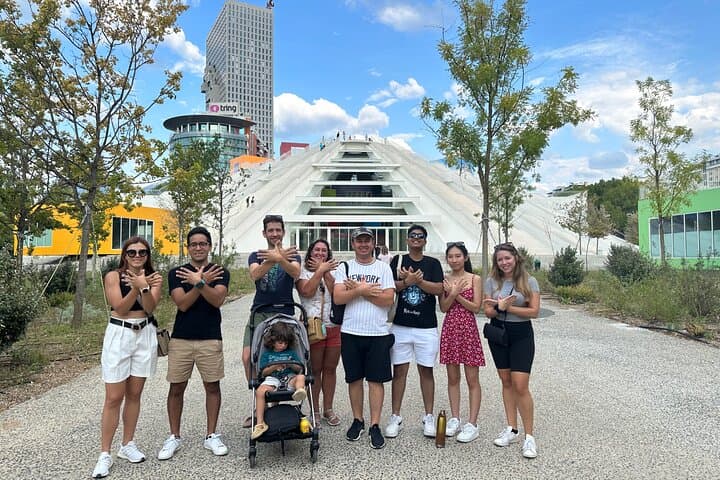
Expect close-up visits (interiors where allowed) at Et’hem Bey Mosque and Resurrection Cathedral, photo stops at the Pyramid with a short climb for views, and a stroll through the Castle of Justinian. Guides offer local restaurant tips and practical context for what you see.
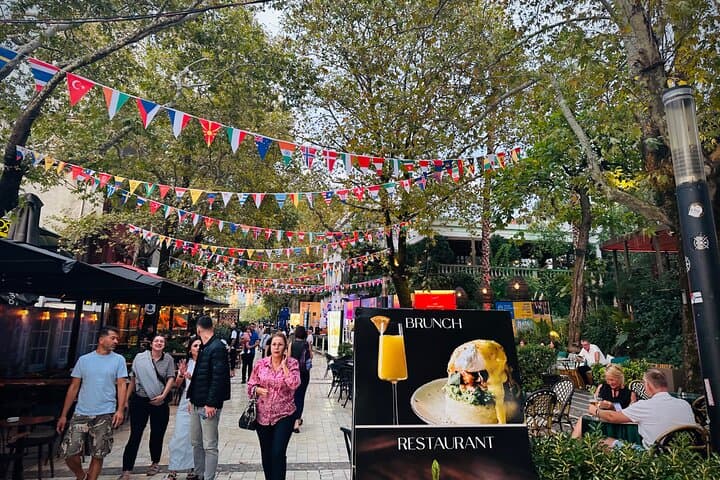
Practicalities: bring comfortable shoes for paved streets and stairs, a refillable water bottle, and a light jacket for breezy evenings. Morning and late-afternoon tours avoid high sun and make the Pyramid’s concrete silhouette more dramatic. The route is flat and mostly accessible; parents and older travelers report it’s comfortable at an easy pace. Carry a small amount of local currency for cafés or optional entries, and allow extra time afterward to explore Pazari i Ri or Blloku’s side streets.
easy.
2–2.5 hours.
Suitable for most fitness levels; requires standing and walking at an easy pace for up to 2.5 hours.
The tour runs about 150 minutes at an easy, explanatory pace with frequent stops for photos and short interior visits.
Most areas on the route are wheelchair and stroller accessible, but some historic interiors and Pyramid access may involve steps—check with the guide for specific needs.
This tour includes visits to exteriors and some interior stops noted by the guide; paid museum admissions beyond those included are typically not covered—confirm before booking.
Tipping is customary but discretionary; small gratuities for an informative guide are appreciated and common among travelers.
Tirana grew rapidly in the 20th century and served as Albania’s political center under communist rule; many public works and monuments reflect that era’s planning.
Local initiatives focus on adaptive reuse (e.g., Pyramid redevelopment) and preserving public spaces; visitors are encouraged to minimize litter and respect historic sites.
Local Walking Tours of Tirana operates guided outdoor trips and adventures with an emphasis on safety, stewardship, and memorable experiences.
You step into Skanderbeg Square and the city unfolds like a living map: the Skanderbeg statue faces the National History Museum’s mural, minaret shadows cut across the Clock Tower, and the Pyramid rises nearby like an argument between past and future.
You step into Skanderbeg Square and the city unfolds like a living map: the Skanderbeg statue faces the National History Museum’s mural, minaret shadows cut across the Clock Tower, and the Pyramid rises nearby like an argument between past and future.
This three-hour loop threads Tirana’s 20th-century story — Ottoman lanes, Italian-era façades, and the stark geometry of the communist period. Geographically the capital sits on a gentle plain beneath Mount Dajt; the urban grid and broad boulevards were shaped as much by politics as by terrain. Cultural rhythms change block by block: the mosaic of the National History Museum speaks to nation-building, Blloku once closed to the public now hums with cafés, while Bunk’Art 2 and the House of Leaves push visitors to reckon with recent memory.
Expect close-up visits (interiors where allowed) at Et’hem Bey Mosque and Resurrection Cathedral, photo stops at the Pyramid with a short climb for views, and a stroll through the Castle of Justinian. Guides offer local restaurant tips and practical context for what you see.
Practicalities: bring comfortable shoes for paved streets and stairs, a refillable water bottle, and a light jacket for breezy evenings. Morning and late-afternoon tours avoid high sun and make the Pyramid’s concrete silhouette more dramatic. The route is flat and mostly accessible; parents and older travelers report it’s comfortable at an easy pace. Carry a small amount of local currency for cafés or optional entries, and allow extra time afterward to explore Pazari i Ri or Blloku’s side streets.