THE ADVENTURE COLLECTIVE® · Independent discovery and booking for outdoor travel

A 20‑day private loop around Sri Lanka that stitches ancient cities, tea hills, wildlife safaris and coastal beaches into a single, carefully paced itinerary. Expect long scenic drives, a famous train to Ella, Sigiriya’s rock climb, and Yala safaris—with expert local guides to put each stop in context.
A 20‑day private loop around Sri Lanka that stitches ancient cities, tea hills, wildlife safaris and coastal beaches into a single, carefully paced itinerary. Expect long scenic drives, a famous train to Ella, Sigiriya’s rock climb, and Yala safaris—with expert local guides to put each stop in context.
The tour begins with the hot breath of the airport crowd and a private driver waving a sign — and by sunset you can already feel the rhythm of the island change beneath your wheels.
Verified experiences and guided adventures in the surrounding area.
Operated by Fivemo Tours · Colombo, Western Province
The tour begins with the hot breath of the airport crowd and a private driver waving a sign — and by sunset you can already feel the rhythm of the island change beneath your wheels.
On day one the road to Anuradhapura unfurls rice paddies and bonsai-like banyans; ancient brick stupas rise from the plain like conversations with the past. Over the next three weeks you’ll move through the island like a slow-thinking tide: temples and rock palaces, cool tea-country hills, a patchwork of coastlines where the Indian Ocean alternately coaxes and tests you.
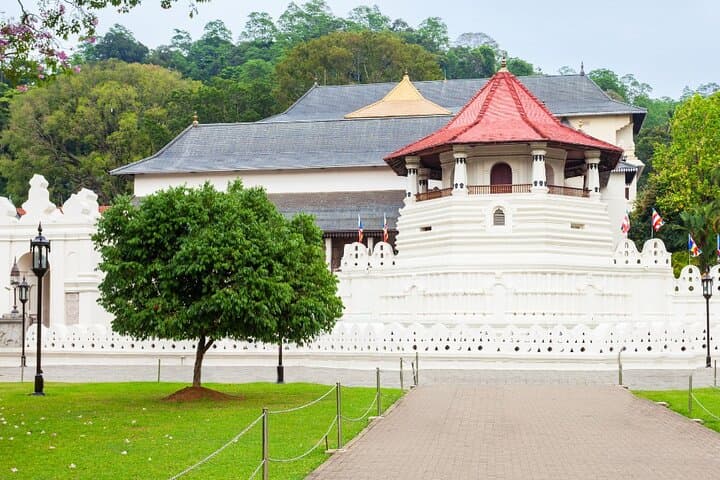
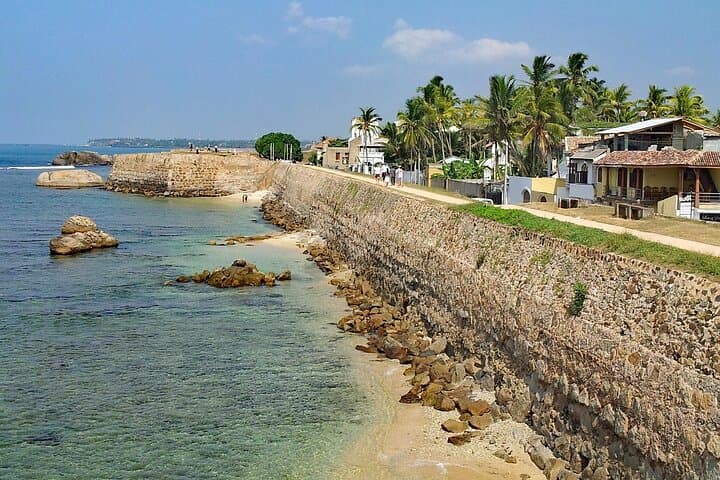
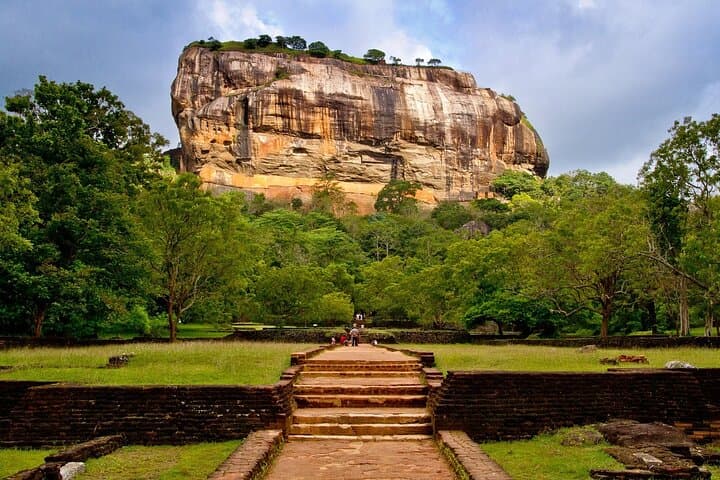
Sri Lanka’s history is everywhere you look. Anuradhapura and Polonnaruwa are living classroom cities of the island’s early monarchy — dagobas and carved Buddhas that survived centuries of monsoon and conquest. Sigiriya, a 200‑metre rock fortress, was an ambitious 5th‑century royal project; climbing its stone staircases rewards you with terraces, fresco fragments, and a wide view where the dry plain gives way to jungle. In the hill country the geology flips to eroded peaks and tea terraces — Nuwara Eliya sits around 1,868 metres and smells of wet soil and black tea. The southern coast, meanwhile, narrates maritime trade, colonial forts, and a fishing culture that still pulls tuna and leopard grouper from the deep.
Nature here has agency: the monsoon wind decides where the surf will curl, reservoirs shimmer like mirrors that keep the plains fed, and in Yala National Park the scrub calls predators and prey into a daily, visible negotiation. Yala is one of Asia’s best places to spot leopards; elephants roam the park’s fringes by day.
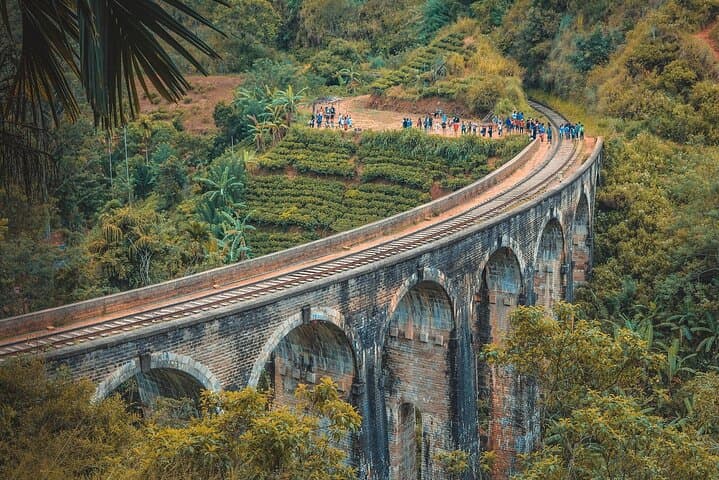
Practical edge: this is a private, multi‑day tour covering long drives (expect several 3–5 hour road transfers and a scenic train segment to Ella). While most days are easy culturally, you’ll encounter short hikes and uneven temple steps — Sigiriya involves roughly 600 steps and ~200 m of ascent; Little Adam’s Peak is a shorter 200–300 m climb. Altitude changes are moderate but noticeable between coastal areas and Nuwara Eliya.
Timing and packing matter: travel between microclimates, so layer for cool mountain mornings and humid coastal afternoons. Bring sun protection, a rain shell for sudden tropical showers, and comfortable walking shoes for cobbled streets and temple climbs. For wildlife viewing, early‑morning safaris increase your chances of sightings; for coastal activities check seasonal windows — whale watching in Mirissa is best November–April.
This 20‑day itinerary is paced for discovery rather than rush. Expect rich context from local guides, handpicked accommodations, and the flexibility to linger at a temple or stretch on a quiet beach. If you come curious and prepared, Sri Lanka will give you history, landscape and wildlife that feel immediate — and a practical route map to take it all in.
moderate.
20 days.
Suitable for travelers in average fitness: short hikes, temple steps and some multi‑hour drives; no technical endurance required.
Yes—it's private and paced for families; note infants must sit on laps during transfers and some days include longer drives.
Whale watching is reliable from November through April; local operators also monitor conditions daily for sightings.
Most nationalities require an eTA (electronic travel authorization) obtained before arrival—check current government requirements.
Some admissions are noted as not included; confirm exact inclusions with the supplier as national park and monument fees are often extra.
The tour is private and typically customizable—contact the operator in advance to adjust pacing, add activities or swap accommodations.
Yala commonly offers sightings of elephants, leopards, deer and a wide birdlife; sightings aren’t guaranteed but guides focus on best windows.
The itinerary threads Sri Lanka’s two oldest capitals—Anuradhapura and Polonnaruwa—showcasing early Buddhist architecture and medieval irrigation feats.
Responsible wildlife viewing and reef-safe sunscreen are encouraged; coastal and park areas are under pressure from tourism, so follow guide rules and avoid single-use plastics.
Fivemo Tours operates guided outdoor trips and adventures with an emphasis on safety, stewardship, and memorable experiences.
The tour begins with the hot breath of the airport crowd and a private driver waving a sign — and by sunset you can already feel the rhythm of the island change beneath your wheels.
The tour begins with the hot breath of the airport crowd and a private driver waving a sign — and by sunset you can already feel the rhythm of the island change beneath your wheels.
On day one the road to Anuradhapura unfurls rice paddies and bonsai-like banyans; ancient brick stupas rise from the plain like conversations with the past. Over the next three weeks you’ll move through the island like a slow-thinking tide: temples and rock palaces, cool tea-country hills, a patchwork of coastlines where the Indian Ocean alternately coaxes and tests you.
Sri Lanka’s history is everywhere you look. Anuradhapura and Polonnaruwa are living classroom cities of the island’s early monarchy — dagobas and carved Buddhas that survived centuries of monsoon and conquest. Sigiriya, a 200‑metre rock fortress, was an ambitious 5th‑century royal project; climbing its stone staircases rewards you with terraces, fresco fragments, and a wide view where the dry plain gives way to jungle. In the hill country the geology flips to eroded peaks and tea terraces — Nuwara Eliya sits around 1,868 metres and smells of wet soil and black tea. The southern coast, meanwhile, narrates maritime trade, colonial forts, and a fishing culture that still pulls tuna and leopard grouper from the deep.
Nature here has agency: the monsoon wind decides where the surf will curl, reservoirs shimmer like mirrors that keep the plains fed, and in Yala National Park the scrub calls predators and prey into a daily, visible negotiation. Yala is one of Asia’s best places to spot leopards; elephants roam the park’s fringes by day.
Practical edge: this is a private, multi‑day tour covering long drives (expect several 3–5 hour road transfers and a scenic train segment to Ella). While most days are easy culturally, you’ll encounter short hikes and uneven temple steps — Sigiriya involves roughly 600 steps and ~200 m of ascent; Little Adam’s Peak is a shorter 200–300 m climb. Altitude changes are moderate but noticeable between coastal areas and Nuwara Eliya.
Timing and packing matter: travel between microclimates, so layer for cool mountain mornings and humid coastal afternoons. Bring sun protection, a rain shell for sudden tropical showers, and comfortable walking shoes for cobbled streets and temple climbs. For wildlife viewing, early‑morning safaris increase your chances of sightings; for coastal activities check seasonal windows — whale watching in Mirissa is best November–April.
This 20‑day itinerary is paced for discovery rather than rush. Expect rich context from local guides, handpicked accommodations, and the flexibility to linger at a temple or stretch on a quiet beach. If you come curious and prepared, Sri Lanka will give you history, landscape and wildlife that feel immediate — and a practical route map to take it all in.