THE ADVENTURE COLLECTIVE® · Independent discovery and booking for outdoor travel

See Pisac’s craft market, Moray’s experimental terraces, the glittering salt ponds of Maras and the fortress streets of Ollantaytambo in a single long day from Cusco. This small-group tour compresses major Sacred Valley highlights into a practical, photo-ready itinerary.
See Pisac’s craft market, Moray’s experimental terraces, the glittering salt ponds of Maras and the fortress streets of Ollantaytambo in a single long day from Cusco. This small-group tour compresses major Sacred Valley highlights into a practical, photo-ready itinerary.
Morning light cuts across the Andean ridge as the minivan peels out of Cusco and the valley opens beneath you—fields and stone terraces stepping down toward a river that keeps the high plains green.
Verified experiences and guided adventures in the surrounding area.
Operated by Willka travel Cusco · Ollantaytambo, Cusco
Morning light cuts across the Andean ridge as the minivan peels out of Cusco and the valley opens beneath you—fields and stone terraces stepping down toward a river that keeps the high plains green.
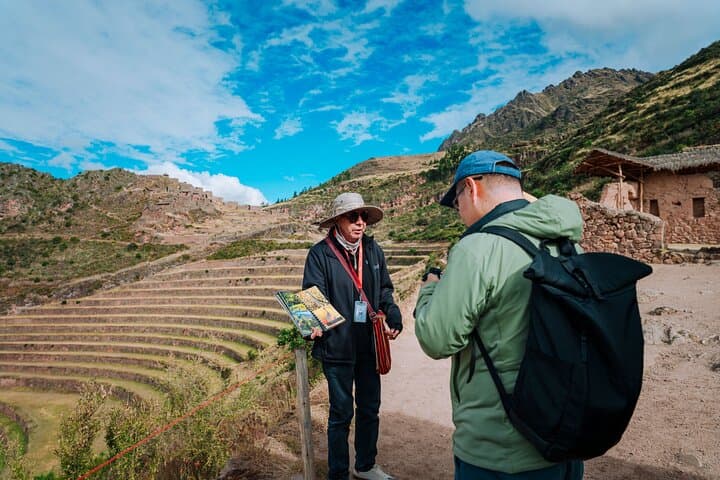
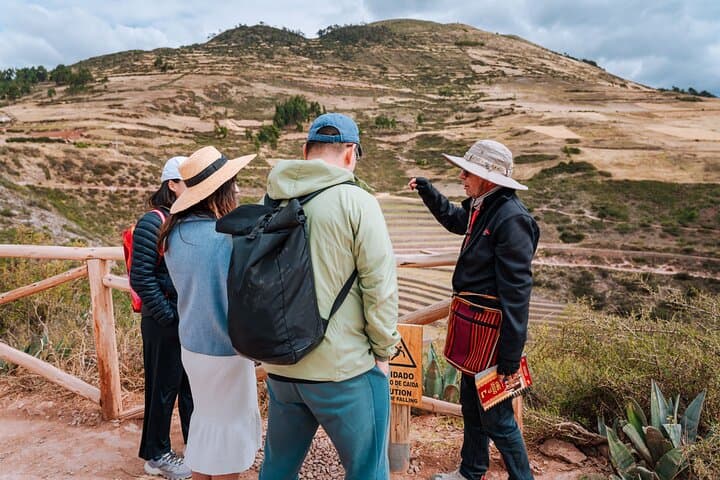
The day unfurls by design: Pisac’s market and terraced ruins first, Moray’s concentric amphitheaters next, the glittering salt pans of Maras, and finally the fortress-town of Ollantaytambo. Each stop reads like a page in Inca agronomy—Moray’s bowl-shaped terraces test microclimates, Pisac’s hillside agriculture displays imperial engineering, and the Salineras reveal a colonial-era industry still harvested by families.
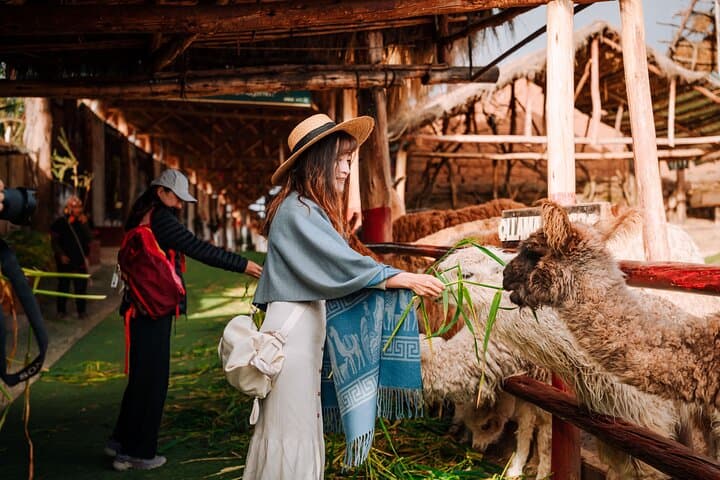
Geology here is blunt and visible: folding Andes, river-cut valleys, and salt-fed springs that have been channelled into thousands of evaporation pools. Culture is immediate—Quechua vendors at Pisac, local salt-harvesters at Maras, and the living layout of Ollantaytambo where streets and grain stores still follow Inca lines.
Practical guidance is direct. Expect a long day (early pickup from Cusco), frequent short walks on uneven stone steps and terraces, and noticeable altitude—bring layers and hydrate the night before. Photography windows are brief; keep gear accessible. If continuing to Machu Picchu, an overnight in Ollantaytambo saves a return to Cusco and puts you on the morning train.
This one-day loop is efficient for travelers who want concentrated history, highland landscapes, and roadside encounters with Andean life without committing several days to trekking.
moderate.
10–12 hours.
Suitable for travelers in good general health; expect multiple short walks, stone steps, and a long day at altitude.
This tour’s listing notes admissions are not included—bring cash for site entrances or confirm with the operator before departure.
Yes; the tour allows guests to remain in Ollantaytambo instead of returning to Cusco so they can connect to trains the next day.
Not recommended—sites involve uneven stonework and steps; the provider marks it as physically easy overall but those with back or mobility issues should take care.
Acclimatize in Cusco for 24–48 hours, hydrate well, avoid heavy meals and alcohol before the tour, and consider coca tea or consult a physician about prophylactic medication.
The Sacred Valley was a core agricultural and ceremonial zone for the Inca; Moray’s concentric terraces acted as agricultural microclimates, while Maras supplied salt long before colonial times.
The terraces and salt ponds are fragile—stick to marked paths, avoid collecting salt or plant material, and support local artisans to keep traditional economies strong.
Willka travel Cusco operates guided outdoor trips and adventures with an emphasis on safety, stewardship, and memorable experiences.
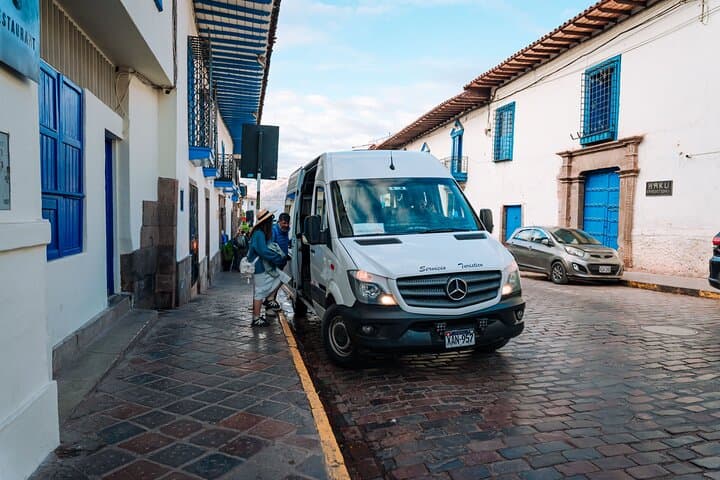
Morning light cuts across the Andean ridge as the minivan peels out of Cusco and the valley opens beneath you—fields and stone terraces stepping down toward a river that keeps the high plains green.
Morning light cuts across the Andean ridge as the minivan peels out of Cusco and the valley opens beneath you—fields and stone terraces stepping down toward a river that keeps the high plains green.
The day unfurls by design: Pisac’s market and terraced ruins first, Moray’s concentric amphitheaters next, the glittering salt pans of Maras, and finally the fortress-town of Ollantaytambo. Each stop reads like a page in Inca agronomy—Moray’s bowl-shaped terraces test microclimates, Pisac’s hillside agriculture displays imperial engineering, and the Salineras reveal a colonial-era industry still harvested by families.
Geology here is blunt and visible: folding Andes, river-cut valleys, and salt-fed springs that have been channelled into thousands of evaporation pools. Culture is immediate—Quechua vendors at Pisac, local salt-harvesters at Maras, and the living layout of Ollantaytambo where streets and grain stores still follow Inca lines.
Practical guidance is direct. Expect a long day (early pickup from Cusco), frequent short walks on uneven stone steps and terraces, and noticeable altitude—bring layers and hydrate the night before. Photography windows are brief; keep gear accessible. If continuing to Machu Picchu, an overnight in Ollantaytambo saves a return to Cusco and puts you on the morning train.
This one-day loop is efficient for travelers who want concentrated history, highland landscapes, and roadside encounters with Andean life without committing several days to trekking.