THE ADVENTURE COLLECTIVE® · Independent discovery and booking for outdoor travel

Step into an authentic Kyoto dojo for a private 105-minute samurai training in iaidō. Learn safe katana handling, kata and etiquette from a master in a focused, non-touristy setting.
Step into an authentic Kyoto dojo for a private 105-minute samurai training in iaidō. Learn safe katana handling, kata and etiquette from a master in a focused, non-touristy setting.
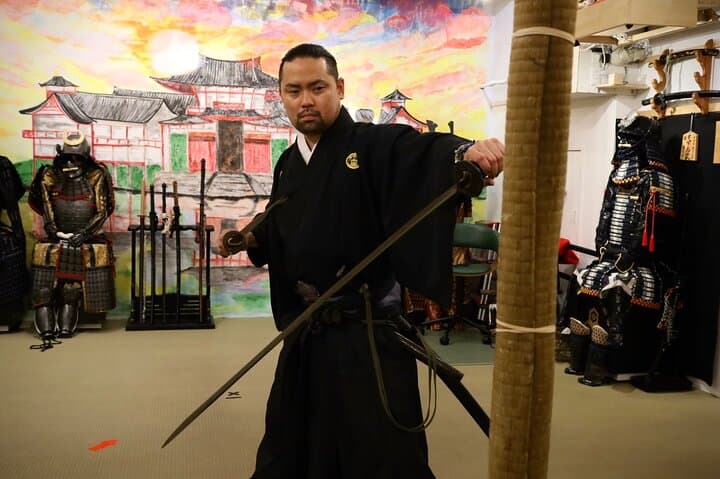
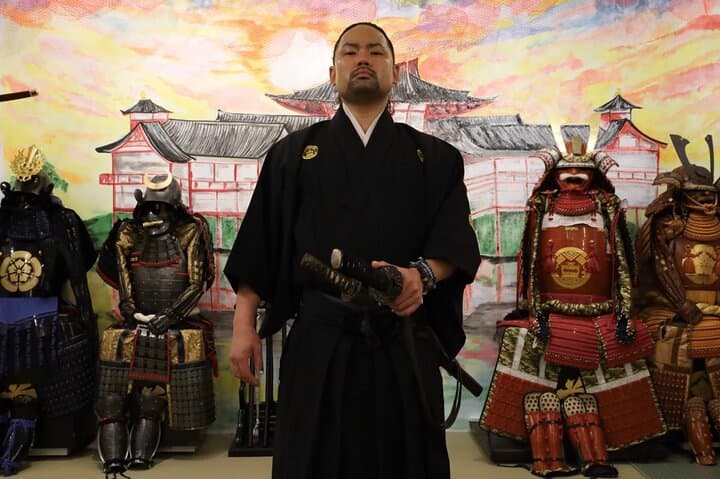
The room smells faintly of polished wood and oil as the sliding door opens and the city noise drops away—here, in a low-ceilinged Kyoto dojo, the rhythm is measured and deliberate. Students bow, the teacher’s presence tight and calm, and the katana becomes less an object and more a line of intent; the first cut is taught with the same care as a single syllable of a calligraphy stroke.
Verified experiences and guided adventures in the surrounding area.
Operated by Yushinkan Co., Ltd. (株式会社勇進舘) SETO Yushin · Kyoto, Kyoto Prefecture
The room smells faintly of polished wood and oil as the sliding door opens and the city noise drops away—here, in a low-ceilinged Kyoto dojo, the rhythm is measured and deliberate. Students bow, the teacher’s presence tight and calm, and the katana becomes less an object and more a line of intent; the first cut is taught with the same care as a single syllable of a calligraphy stroke.
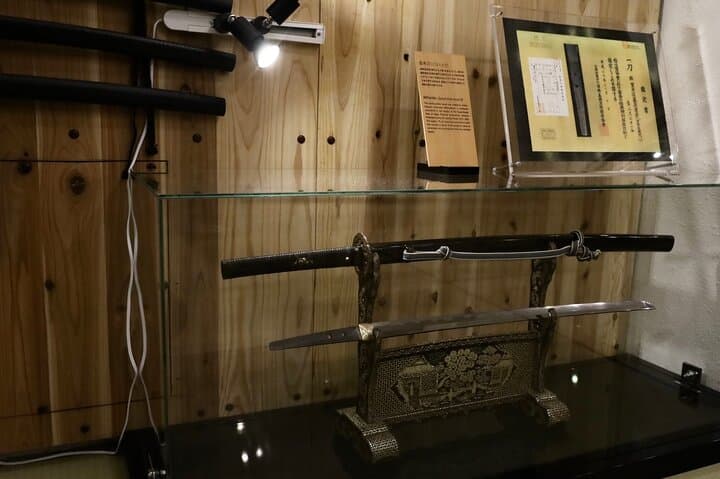
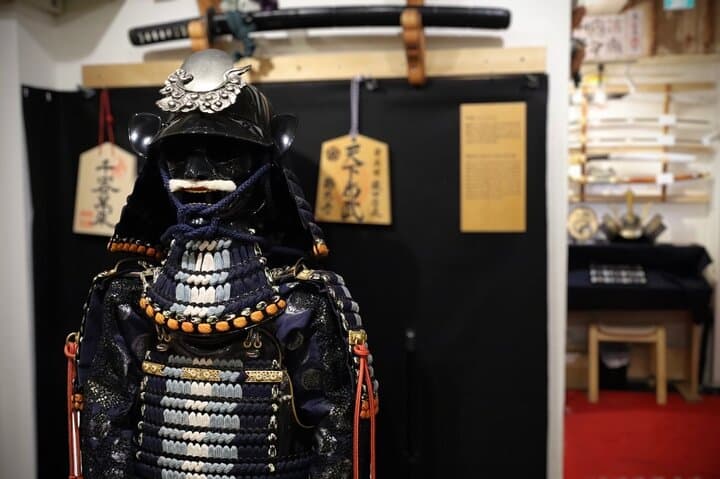
Kyoto’s dojo culture grows from samurai traditions that shaped the city’s late-feudal era. Iai-dō—the art of drawing the sword—focuses on posture, timing and respect rather than combat. The wooden floor is recent; the discipline is ancient. Visitors learn not just technique but contextual cues: how etiquette governed social order, and how the blade’s form reflects centuries of metallurgy and ritualized training.
Practical guidance is front and center. This private session runs about 105 minutes with one-on-one attention from a master instructor; expect warm-up drills, basic unsheathing, safe handling and a few kata (formal sequences). The dojo provides bottled water; participants should wear comfortable, non-baggy clothing and be able to move through low lunges and kneeling postures. Children under 12 may observe parts of the lesson rather than participate fully. The pace is controlled—safety is strict—but the work is physical: core engagement, balance and focus matter.
Reserve in advance, arrive early to change and follow the instructor’s etiquette. The payoff is more than a photo: it’s a precise cultural transmission, a practiced conversation between student and blade.
moderate.
1–2 hours.
Moderate — able to kneel, lunge, and maintain balance for short sequences; not recommended for those with spinal or serious cardiovascular conditions.
Yes — instruction uses real-style blades under strict supervision, but safety protocols and control measures are enforced at all times.
Children under 12 may participate but may be asked to observe parts of the lesson; all participants should be able to follow safety instructions.
Comfortable, modest clothing that allows kneeling and lunging; avoid loose garments that can catch on equipment.
No — the session is designed for beginners and private pacing lets the instructor tailor difficulty to your level.
Iai-dō and kenjutsu evolved during Japan’s feudal period; Kyoto was a cultural center where samurai etiquette and swordcraft were codified.
Dojo practice emphasizes respect and preservation of traditional techniques; visitors are asked to follow rules that protect historic interiors and wooden floors.
Yushinkan Co., Ltd. (株式会社勇進舘) SETO Yushin operates guided outdoor trips and adventures with an emphasis on safety, stewardship, and memorable experiences.
The room smells faintly of polished wood and oil as the sliding door opens and the city noise drops away—here, in a low-ceilinged Kyoto dojo, the rhythm is measured and deliberate. Students bow, the teacher’s presence tight and calm, and the katana becomes less an object and more a line of intent; the first cut is taught with the same care as a single syllable of a calligraphy stroke.
The room smells faintly of polished wood and oil as the sliding door opens and the city noise drops away—here, in a low-ceilinged Kyoto dojo, the rhythm is measured and deliberate. Students bow, the teacher’s presence tight and calm, and the katana becomes less an object and more a line of intent; the first cut is taught with the same care as a single syllable of a calligraphy stroke.
Kyoto’s dojo culture grows from samurai traditions that shaped the city’s late-feudal era. Iai-dō—the art of drawing the sword—focuses on posture, timing and respect rather than combat. The wooden floor is recent; the discipline is ancient. Visitors learn not just technique but contextual cues: how etiquette governed social order, and how the blade’s form reflects centuries of metallurgy and ritualized training.
Practical guidance is front and center. This private session runs about 105 minutes with one-on-one attention from a master instructor; expect warm-up drills, basic unsheathing, safe handling and a few kata (formal sequences). The dojo provides bottled water; participants should wear comfortable, non-baggy clothing and be able to move through low lunges and kneeling postures. Children under 12 may observe parts of the lesson rather than participate fully. The pace is controlled—safety is strict—but the work is physical: core engagement, balance and focus matter.
Reserve in advance, arrive early to change and follow the instructor’s etiquette. The payoff is more than a photo: it’s a precise cultural transmission, a practiced conversation between student and blade.