THE ADVENTURE COLLECTIVE® · Independent discovery and booking for outdoor travel

A compact 10-day loop through Himachal’s most visited hill stations—Shimla to Rohtang to Dharamshala—this tour pairs classic mountain scenery with accessible cultural stops. Expect long drives, high passes and manageable walks in towns and valleys.
A compact 10-day loop through Himachal’s most visited hill stations—Shimla to Rohtang to Dharamshala—this tour pairs classic mountain scenery with accessible cultural stops. Expect long drives, high passes and manageable walks in towns and valleys.
You feel the road before you see the peaks: hairpin after hairpin, the air thinning and pine resin clinging to the bus windows as you climb toward Shimla. The valley floors below a river daring you with its quicksilver flash; ridgelines push forward like pages in a field guide. This ten-day circuit threads the classic hill stations of Himachal Pradesh—Shimla, Kufri, Manali, Rohtang, Dharamshala and Dalhousie—moving from colonial-era avenues to Tibetan-influenced villages and high Alpine passes.
Verified experiences and guided adventures in the surrounding area.
Operated by Map My Tours · Shimla, Himachal Pradesh
You feel the road before you see the peaks: hairpin after hairpin, the air thinning and pine resin clinging to the bus windows as you climb toward Shimla. The valley floors below a river daring you with its quicksilver flash; ridgelines push forward like pages in a field guide. This ten-day circuit threads the classic hill stations of Himachal Pradesh—Shimla, Kufri, Manali, Rohtang, Dharamshala and Dalhousie—moving from colonial-era avenues to Tibetan-influenced villages and high Alpine passes.
Himachal’s landscape is younger Himalaya: folded sedimentary and metamorphic rocks bowl-steep valleys and create waterfalls and glacial cuts. Shimla’s Mall Road speaks to British hill-station history, while Dharamshala is shaped by Tibetan exile culture and monasteries that color local life. Rohtang Pass (approx. 3,979 m) is a glacial saddle where seasonal snowfields reshape routes; Manali’s valley offers hot springs and temple sites tied to local lore.
Practical guidance: plan for long drives—Shimla to Manali is roughly 250 km (6–8 hours of mountain roads). Rohtang has altitude and weather restrictions; check permits and road openings before travel. Pack layered clothing (temperatures swing widely), sun protection for high-altitude glare, and sturdy walking shoes for village walks and short treks. Hydrate, pace yourself on the first days to reduce altitude effects, and allow buffer time—landsides and closures can change schedules. Expect comfortable 3-star hotel stays, private AC transport between towns, and a mix of guided visits and free evenings to explore local markets. For travelers wanting Himalayan panoramas with cultural variety and manageable logistics, this route delivers classic scenery and village-scale encounters without committing to technical mountaineering.
moderate.
10 days.
Light to moderate fitness: able to handle multiple full-day drives, short hikes and brief walks at altitude.
Rohtang often requires a permit and has vehicle restrictions; permits and road openings change seasonally, so check local authorities or your operator before departure.
Late spring to early autumn (May–October) offers the most reliable road access; winter brings snow closures on high passes like Rohtang.
This itinerary includes 3-star hotel accommodation and most breakfasts/dinners as indicated—confirm exact meal coverage when booking.
The tour is designed for general fitness levels but includes long drives and altitude exposure; travelers with mobility or serious health issues should consult their doctor.
Shimla grew as a British summer capital and colonial architecture dots its Mall and Ridge; Dharamshala gained international profile as the residence of the Dalai Lama and a center of Tibetan culture.
High-traffic mountain corridors face erosion and waste issues—use refillable water bottles, follow local guidelines for waste disposal, and favor locally run businesses to support sustainable tourism.
Map My Tours operates guided outdoor trips and adventures with an emphasis on safety, stewardship, and memorable experiences.
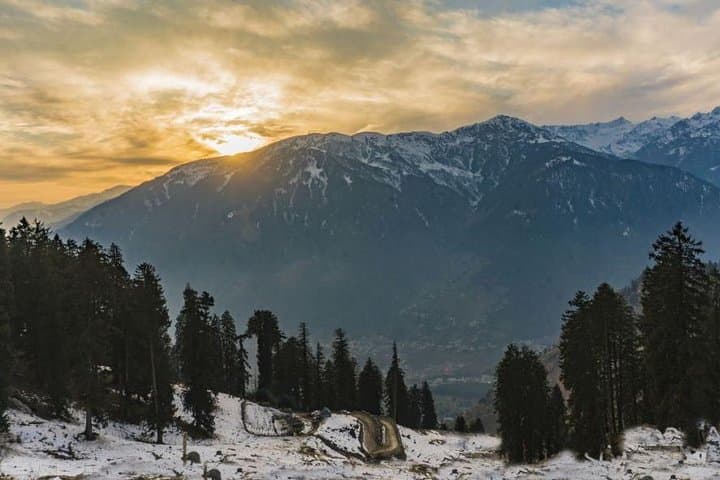


You feel the road before you see the peaks: hairpin after hairpin, the air thinning and pine resin clinging to the bus windows as you climb toward Shimla. The valley floors below a river daring you with its quicksilver flash; ridgelines push forward like pages in a field guide. This ten-day circuit threads the classic hill stations of Himachal Pradesh—Shimla, Kufri, Manali, Rohtang, Dharamshala and Dalhousie—moving from colonial-era avenues to Tibetan-influenced villages and high Alpine passes.
You feel the road before you see the peaks: hairpin after hairpin, the air thinning and pine resin clinging to the bus windows as you climb toward Shimla. The valley floors below a river daring you with its quicksilver flash; ridgelines push forward like pages in a field guide. This ten-day circuit threads the classic hill stations of Himachal Pradesh—Shimla, Kufri, Manali, Rohtang, Dharamshala and Dalhousie—moving from colonial-era avenues to Tibetan-influenced villages and high Alpine passes.
Himachal’s landscape is younger Himalaya: folded sedimentary and metamorphic rocks bowl-steep valleys and create waterfalls and glacial cuts. Shimla’s Mall Road speaks to British hill-station history, while Dharamshala is shaped by Tibetan exile culture and monasteries that color local life. Rohtang Pass (approx. 3,979 m) is a glacial saddle where seasonal snowfields reshape routes; Manali’s valley offers hot springs and temple sites tied to local lore.
Practical guidance: plan for long drives—Shimla to Manali is roughly 250 km (6–8 hours of mountain roads). Rohtang has altitude and weather restrictions; check permits and road openings before travel. Pack layered clothing (temperatures swing widely), sun protection for high-altitude glare, and sturdy walking shoes for village walks and short treks. Hydrate, pace yourself on the first days to reduce altitude effects, and allow buffer time—landsides and closures can change schedules. Expect comfortable 3-star hotel stays, private AC transport between towns, and a mix of guided visits and free evenings to explore local markets. For travelers wanting Himalayan panoramas with cultural variety and manageable logistics, this route delivers classic scenery and village-scale encounters without committing to technical mountaineering.