THE ADVENTURE COLLECTIVE® · Independent discovery and booking for outdoor travel

A full-day guided circuit from Cortina that threads together the Dolomites’ most iconic lakes, passes and viewpoints. Expect short walks, photo stops at Braies and Misurina, local stories, and optional cable-car panoramas.
A full-day guided circuit from Cortina that threads together the Dolomites’ most iconic lakes, passes and viewpoints. Expect short walks, photo stops at Braies and Misurina, local stories, and optional cable-car panoramas.
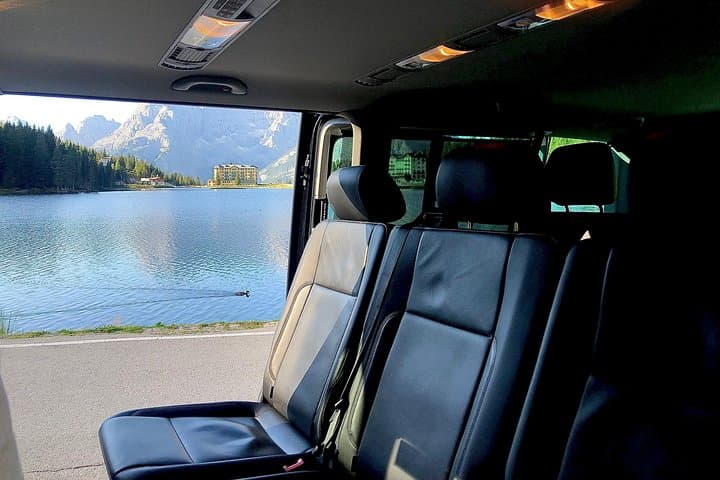
You step into a morning that smells like pine and diesel, the road unspooling through craggy limestone ribs as the van climbs out of Cortina d'Ampezzo. Windows frame vertical faces of Tofana and Cristallo, and each pullout offers a new angle on ragged ridgelines and glacial cirques.
Verified experiences and guided adventures in the surrounding area.
Operated by Taxi Cortina Sci NCC · Cortina d'Ampezzo, Veneto
You step into a morning that smells like pine and diesel, the road unspooling through craggy limestone ribs as the van climbs out of Cortina d'Ampezzo. Windows frame vertical faces of Tofana and Cristallo, and each pullout offers a new angle on ragged ridgelines and glacial cirques.
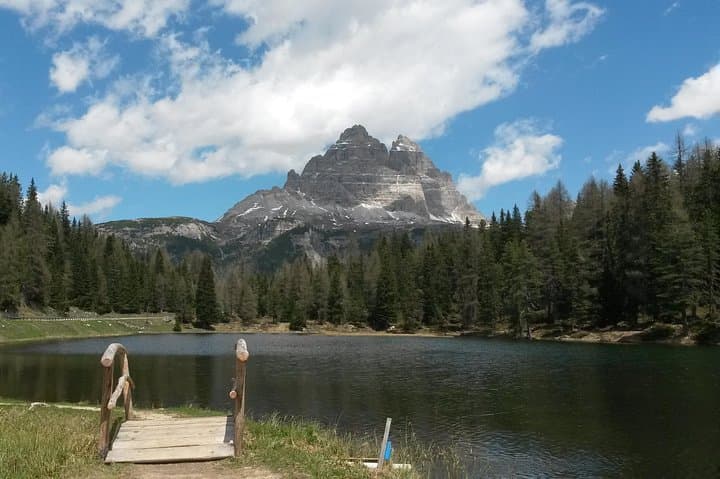
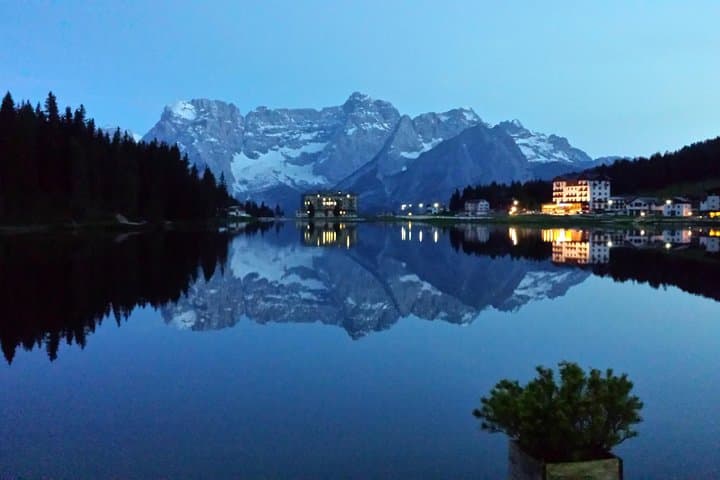
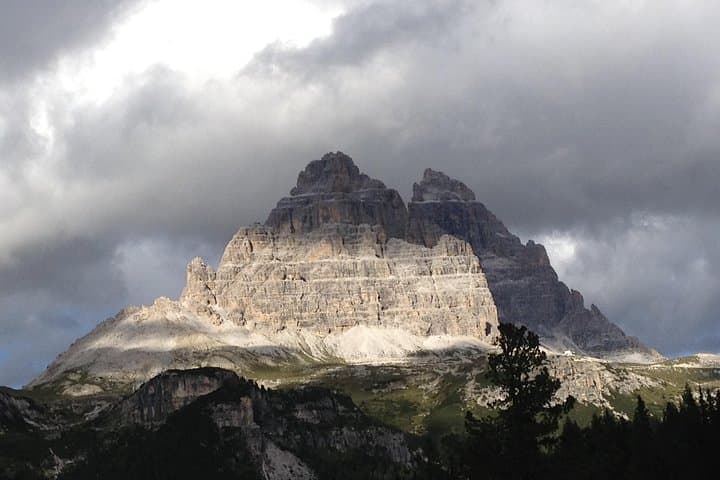
The itinerary moves fast: Misurina’s still water reflects Sorapiss, Braies (Pragser Wildsee) offers its famous emerald mirror, and the Tre Cime di Lavaredo appear from a different vantage than the postcard most people know. The driver—often a local who reads mountain weather like a book—will tell legends (the Sorapiss tale), point out World War I forts hidden in scree, and explain how Dolomite dolomia rock lifts into dramatic towers through thrusting tectonics.
Culturally the area sits on an Alpine crossroads: Ladin-speaking valleys, Tyrolean architecture, and Austro-Hungarian traces in cuisine and dialect. Expect short walks of 5–30 minutes at lakes and viewpoints; a cable car option to a terrace on clear days; and a village lunch stop to try speck and hearty polenta.
Practically, this is a long day with high-variance weather—layers and waterproofs are essential. Roads and cable cars close seasonally; confirm operations in shoulder months. The tour supplies bottled water and a map of your route, with hotel pickup and Wi‑Fi on board. For photographers, early light favors Misurina and Braies, while late afternoon softens the limestone faces—choose timing by which peaks you most want to see.
easy.
8–10 hours.
Suitable for people comfortable with short, easy walks and sitting in a vehicle for most of the day
Cable car rides are optional and often cost extra; availability depends on season and weather.
Yes—road closures, weather, or seasonal cable car shutdowns can alter the route; operators typically offer alternatives or notify you in advance.
Yes, hotel pickup and drop-off in Cortina are included in the tour price.
Children can join; infants must sit on an adult’s lap but specialized infant seats are available on request.
The eastern Dolomites were a frontline in World War I; you can still find tunnels, trenches and open-air military museums along some passes.
The region is part of the Dolomiti UNESCO site with strict trail and parking limits; stick to paths and avoid leaving waste to protect fragile alpine meadows.
Taxi Cortina Sci NCC operates guided outdoor trips and adventures with an emphasis on safety, stewardship, and memorable experiences.
You step into a morning that smells like pine and diesel, the road unspooling through craggy limestone ribs as the van climbs out of Cortina d'Ampezzo. Windows frame vertical faces of Tofana and Cristallo, and each pullout offers a new angle on ragged ridgelines and glacial cirques.
You step into a morning that smells like pine and diesel, the road unspooling through craggy limestone ribs as the van climbs out of Cortina d'Ampezzo. Windows frame vertical faces of Tofana and Cristallo, and each pullout offers a new angle on ragged ridgelines and glacial cirques.
The itinerary moves fast: Misurina’s still water reflects Sorapiss, Braies (Pragser Wildsee) offers its famous emerald mirror, and the Tre Cime di Lavaredo appear from a different vantage than the postcard most people know. The driver—often a local who reads mountain weather like a book—will tell legends (the Sorapiss tale), point out World War I forts hidden in scree, and explain how Dolomite dolomia rock lifts into dramatic towers through thrusting tectonics.
Culturally the area sits on an Alpine crossroads: Ladin-speaking valleys, Tyrolean architecture, and Austro-Hungarian traces in cuisine and dialect. Expect short walks of 5–30 minutes at lakes and viewpoints; a cable car option to a terrace on clear days; and a village lunch stop to try speck and hearty polenta.
Practically, this is a long day with high-variance weather—layers and waterproofs are essential. Roads and cable cars close seasonally; confirm operations in shoulder months. The tour supplies bottled water and a map of your route, with hotel pickup and Wi‑Fi on board. For photographers, early light favors Misurina and Braies, while late afternoon softens the limestone faces—choose timing by which peaks you most want to see.