THE ADVENTURE COLLECTIVE® · Independent discovery and booking for outdoor travel

Step into the Colosseum through a dedicated entrance and follow the paths of gladiators, then wander the Roman Forum and climb Palatine Hill for panoramic views. This guided three-hour tour combines close-up access with clear historical context and practical tips for navigating uneven ruins.
Step into the Colosseum through a dedicated entrance and follow the paths of gladiators, then wander the Roman Forum and climb Palatine Hill for panoramic views. This guided three-hour tour combines close-up access with clear historical context and practical tips for navigating uneven ruins.
You step through a narrow gate and the city noise thins—the Colosseum opens like a stage, sun cutting across ancient stone and the wind pulling stories from the cracks. Walking the arena edge, the air seems to push you forward into the same paths gladiators once took; above, tiers frame the sky in concentric stone.
Verified experiences and guided adventures in the surrounding area.
Operated by Doooing Experience · Rome, Lazio
You step through a narrow gate and the city noise thins—the Colosseum opens like a stage, sun cutting across ancient stone and the wind pulling stories from the cracks. Walking the arena edge, the air seems to push you forward into the same paths gladiators once took; above, tiers frame the sky in concentric stone.
Built between AD 70–80, the Colosseum stood where Roman spectacle met politics. The Roman Forum below was the city’s civic heart—law, commerce and religion converged there—while Palatine Hill hosted imperial palaces and offered defensive high ground and sweeping views across the Circus Maximus. The layers of travertine and tufa tell a geological story: limestone imported and volcanic deposits reused, worn by centuries of weather and human hands.
Culturally, this route threads public ritual with private power: temples that calibrated Rome’s calendar, arches that celebrated victories, and quiet courtyards that hold stray cats and quiet shade. Restoration work is common; access routes can change, so guides often reroute to keep the narrative intact.
Practical guidance: arrive early to avoid midday crowds and heat, bring a refillable water bottle and sturdy shoes for uneven cobbles and dirt paths, and expect short uphill stretches on Palatine Hill. Mobile tickets are accepted—keep your confirmation handy. The tour covers roughly three hours with steady walking, intermittent stops for interpretation, and some uneven surfaces that make wheelchairs and strollers challenging. Respect fenced areas and follow your guide; touching fragile ruins accelerates decay. With attentive pacing, this compact circuit delivers a high-impact slice of Rome’s layered past without sacrificing the texture of place.
easy.
3 hours.
Basic walking fitness—able to stand and stroll for several hours and handle short, uneven uphill sections.
Yes—admission to the Colosseum arena, Roman Forum and Palatine Hill is included as part of the guided experience.
Many areas have uneven surfaces, stairs and slopes; accessibility is limited and some sections may be difficult for wheelchairs or strollers.
Bring a mobile or paper ticket, photo ID, comfortable shoes, a refillable water bottle, sun protection and any necessary medications.
Photography for personal use is allowed, but drone use and commercial photography typically require special permits—follow guide instructions and posted signs.
The Colosseum opened under Emperor Titus around AD 80 and could hold roughly 50,000 spectators; Palatine Hill was an elite residential quarter where Rome’s founders and emperors lived.
Ongoing conservation and restoration projects aim to stabilize fragile stone and manage visitor impact—stay on designated paths and avoid touching or climbing ruins to help preserve them.
Doooing Experience operates guided outdoor trips and adventures with an emphasis on safety, stewardship, and memorable experiences.
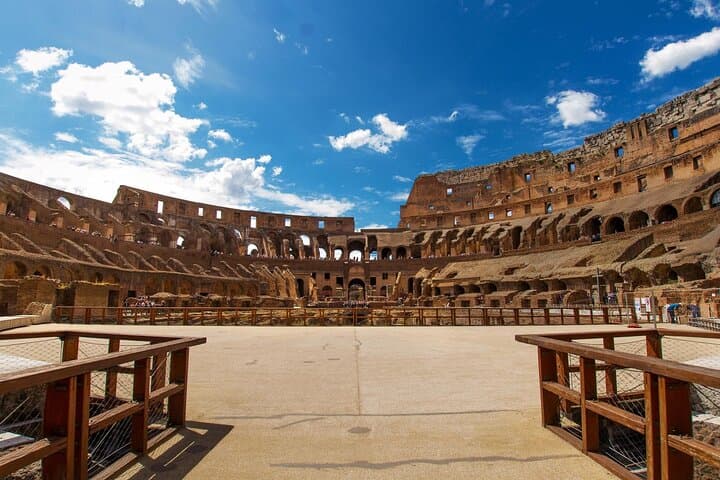
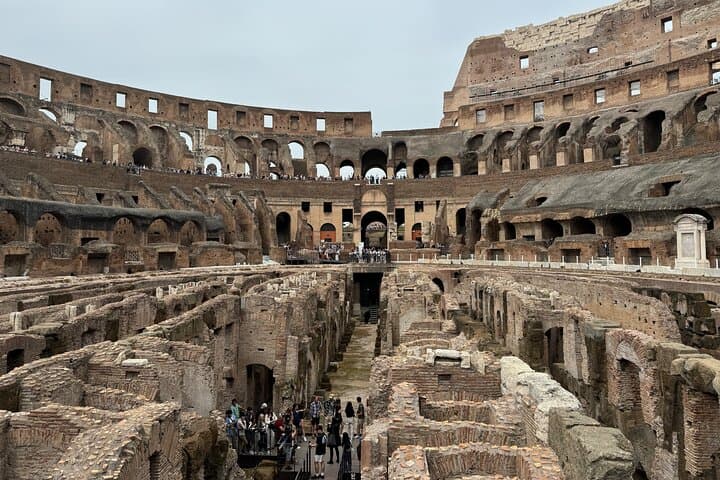
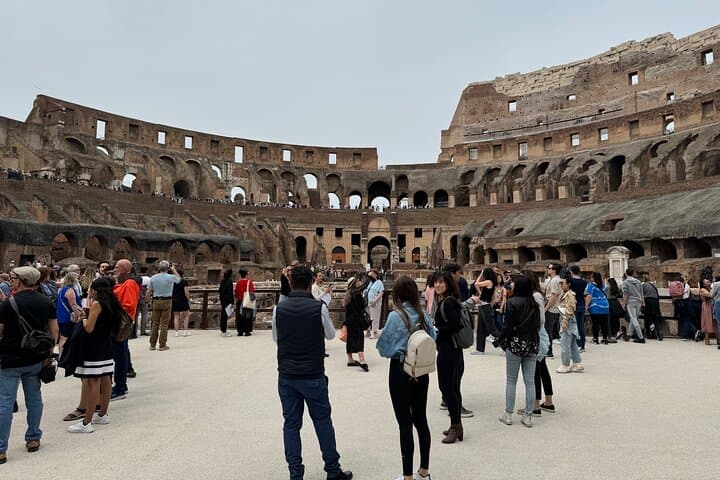
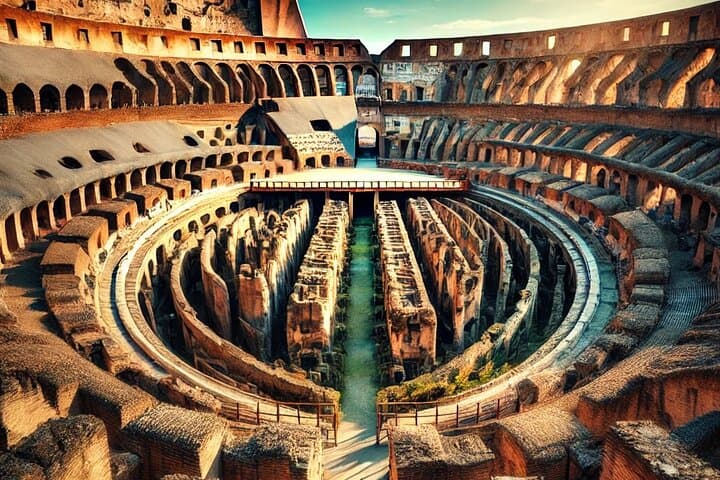
You step through a narrow gate and the city noise thins—the Colosseum opens like a stage, sun cutting across ancient stone and the wind pulling stories from the cracks. Walking the arena edge, the air seems to push you forward into the same paths gladiators once took; above, tiers frame the sky in concentric stone.
You step through a narrow gate and the city noise thins—the Colosseum opens like a stage, sun cutting across ancient stone and the wind pulling stories from the cracks. Walking the arena edge, the air seems to push you forward into the same paths gladiators once took; above, tiers frame the sky in concentric stone.
Built between AD 70–80, the Colosseum stood where Roman spectacle met politics. The Roman Forum below was the city’s civic heart—law, commerce and religion converged there—while Palatine Hill hosted imperial palaces and offered defensive high ground and sweeping views across the Circus Maximus. The layers of travertine and tufa tell a geological story: limestone imported and volcanic deposits reused, worn by centuries of weather and human hands.
Culturally, this route threads public ritual with private power: temples that calibrated Rome’s calendar, arches that celebrated victories, and quiet courtyards that hold stray cats and quiet shade. Restoration work is common; access routes can change, so guides often reroute to keep the narrative intact.
Practical guidance: arrive early to avoid midday crowds and heat, bring a refillable water bottle and sturdy shoes for uneven cobbles and dirt paths, and expect short uphill stretches on Palatine Hill. Mobile tickets are accepted—keep your confirmation handy. The tour covers roughly three hours with steady walking, intermittent stops for interpretation, and some uneven surfaces that make wheelchairs and strollers challenging. Respect fenced areas and follow your guide; touching fragile ruins accelerates decay. With attentive pacing, this compact circuit delivers a high-impact slice of Rome’s layered past without sacrificing the texture of place.