THE ADVENTURE COLLECTIVE® · Independent discovery and booking for outdoor travel

Explore Prague’s Communist past on a private walking tour through Old Town and Wenceslas Square, with an optional visit to the Museum of Communism. Learn the events from the 1948 coup to the Velvet Revolution while walking the streets where history unfolded.
Explore Prague’s Communist past on a private walking tour through Old Town and Wenceslas Square, with an optional visit to the Museum of Communism. Learn the events from the 1948 coup to the Velvet Revolution while walking the streets where history unfolded.
You step out of the shadow of the Astronomical Clock into a Prague where slogans and curfews once shaped everyday life—cobblestones still hold the echo of protests and hurried footsteps.
Verified experiences and guided adventures in the surrounding area.
Operated by Rosotravel - Ostrava City Tours · Prague, Prague
You step out of the shadow of the Astronomical Clock into a Prague where slogans and curfews once shaped everyday life—cobblestones still hold the echo of protests and hurried footsteps.
This private walking tour threads the Old Town and Wenceslas Square, following the arc from the 1948 coup, through the Prague Spring, to the Velvet Revolution of 1989. Your guide pauses at the Velvet Revolution Memorial and the old police headquarters, lifting the veil on censorship, political trials, and the enforcement mechanisms that defined the Czechoslovak Socialist Republic.
Prague’s architecture—baroque churches, neoclassical facades and austere postwar blocks—tells a layered geological and cultural history: medieval foundations under modern façades, stone and river transport shaping the city’s growth along the Vltava. The Museum of Communism (optional, 4-hour option) brings artifacts and propaganda into a focused narrative: everyday shortages, state media, youth organizations and the underground cultural resistance.
Practical guidance: choose the 2-hour option for a brisk overview; take the 4-hour tour if you want museum access and deeper context. Wear sturdy shoes for uneven cobbles, allow time for questions at key stops, and bring ID if you plan to enter museums. Public transport stations are nearby and the route is largely flat and wheelchair accessible, but expect tight streets and occasional crowds.
This tour is best in the morning or late afternoon for softer light and fewer visitors—ideal for travelers who want history that informs how Prague looks and feels today.
easy.
2–4 hours.
Minimal fitness required—tour involves standing and light walking over cobbles for up to four hours
Museum entry is included only with the 4-hour option; confirm at booking and bring any e-tickets provided.
Much of the Old Town is wheelchair accessible and the provider notes accessibility, but narrow streets and cobbles may require assistance.
Meet in front of the World of Franz Kafka on Staré Město square—exact meeting details are sent by email the day before the tour.
Guides are language-fluent; request your preferred language during booking to ensure availability.
The tour traces Czechoslovakia’s postwar history from the 1948 communist coup through the Prague Spring of 1968 and the Velvet Revolution of 1989, which ended single-party rule.
Prague’s historic center is protected; visitors are asked to respect monuments, avoid touching fragile artifacts, and follow museum rules to reduce wear and support preservation.
Rosotravel - Ostrava City Tours operates guided outdoor trips and adventures with an emphasis on safety, stewardship, and memorable experiences.
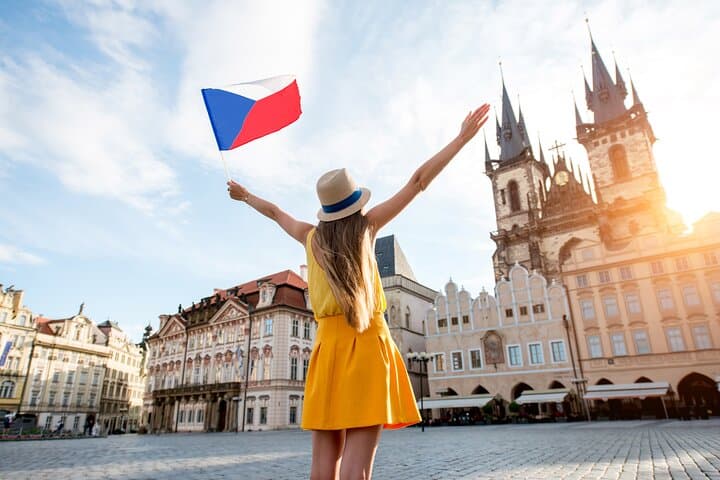
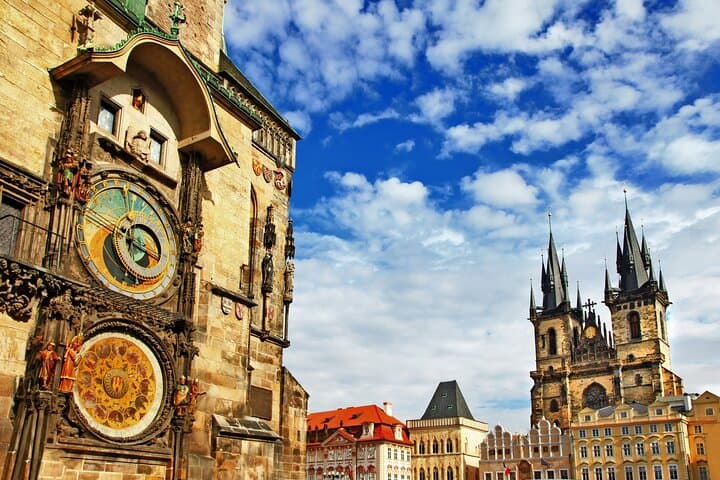
You step out of the shadow of the Astronomical Clock into a Prague where slogans and curfews once shaped everyday life—cobblestones still hold the echo of protests and hurried footsteps.
You step out of the shadow of the Astronomical Clock into a Prague where slogans and curfews once shaped everyday life—cobblestones still hold the echo of protests and hurried footsteps.
This private walking tour threads the Old Town and Wenceslas Square, following the arc from the 1948 coup, through the Prague Spring, to the Velvet Revolution of 1989. Your guide pauses at the Velvet Revolution Memorial and the old police headquarters, lifting the veil on censorship, political trials, and the enforcement mechanisms that defined the Czechoslovak Socialist Republic.
Prague’s architecture—baroque churches, neoclassical facades and austere postwar blocks—tells a layered geological and cultural history: medieval foundations under modern façades, stone and river transport shaping the city’s growth along the Vltava. The Museum of Communism (optional, 4-hour option) brings artifacts and propaganda into a focused narrative: everyday shortages, state media, youth organizations and the underground cultural resistance.
Practical guidance: choose the 2-hour option for a brisk overview; take the 4-hour tour if you want museum access and deeper context. Wear sturdy shoes for uneven cobbles, allow time for questions at key stops, and bring ID if you plan to enter museums. Public transport stations are nearby and the route is largely flat and wheelchair accessible, but expect tight streets and occasional crowds.
This tour is best in the morning or late afternoon for softer light and fewer visitors—ideal for travelers who want history that informs how Prague looks and feels today.