THE ADVENTURE COLLECTIVE® · Independent discovery and booking for outdoor travel

Walk Prague’s streets with a guide who lived through Communism and hear first-hand stories of propaganda, surveillance and resistance. This three-hour historical walk ties landmarks to the lived experiences that produced the Velvet Revolution.
Walk Prague’s streets with a guide who lived through Communism and hear first-hand stories of propaganda, surveillance and resistance. This three-hour historical walk ties landmarks to the lived experiences that produced the Velvet Revolution.
A brisk Prague morning unfolds on Wenceslas Square — trams rattle past, vendors arrange newspapers, and a local guide waits with a stack of personal stories. The guide’s family history threads through the itinerary: a lived account of shortages, surveillance and the private rebellions people staged under a watchful regime.
Verified experiences and guided adventures in the surrounding area.
Operated by Speedy Tours Prague s.r.o · Prague, Prague
A brisk Prague morning unfolds on Wenceslas Square — trams rattle past, vendors arrange newspapers, and a local guide waits with a stack of personal stories. The guide’s family history threads through the itinerary: a lived account of shortages, surveillance and the private rebellions people staged under a watchful regime.
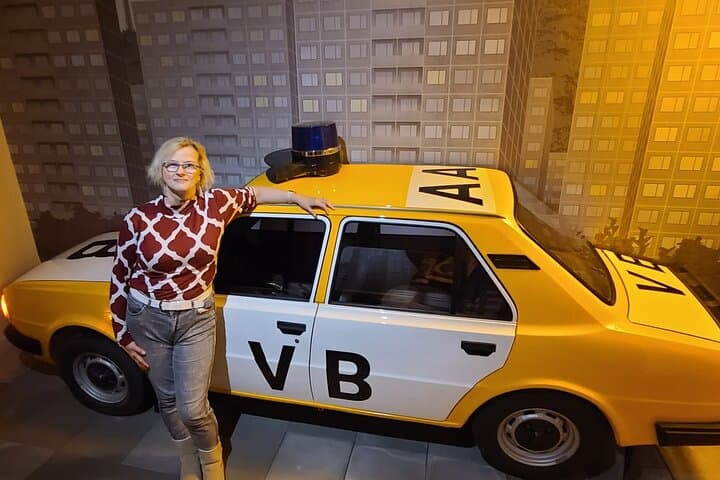
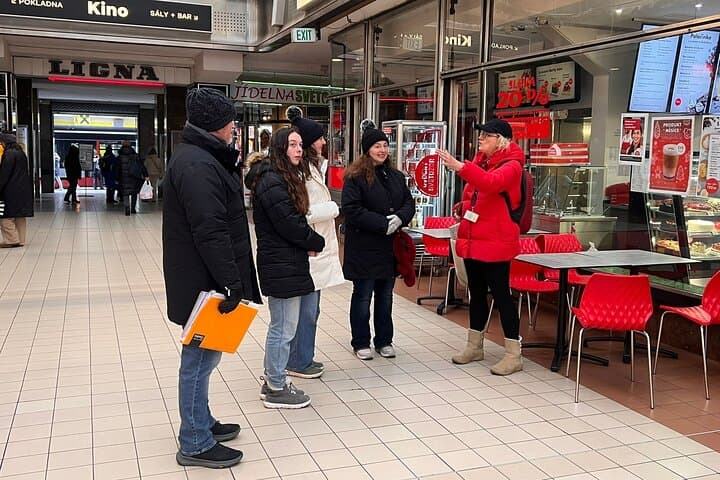
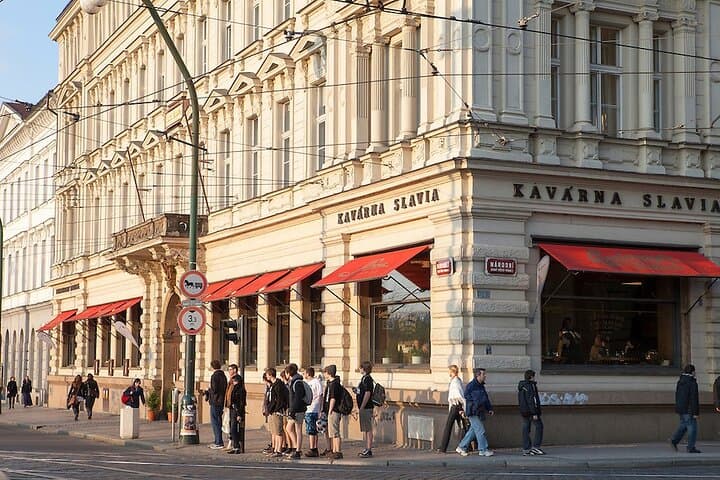
The route moves through Lucerna Passage, past the Powder Tower and along Národní třída toward sites tied to 20th-century upheaval. Visitors hear how WWII and the 1948 Communist takeover reshaped Czech institutions, how the 1968 Soviet invasion extinguished the Prague Spring, and how dissident life — samizdat, covert meetings in cafés like Slavia, and the activities of figures such as Václav Havel — fed the Velvet Revolution of 1989.
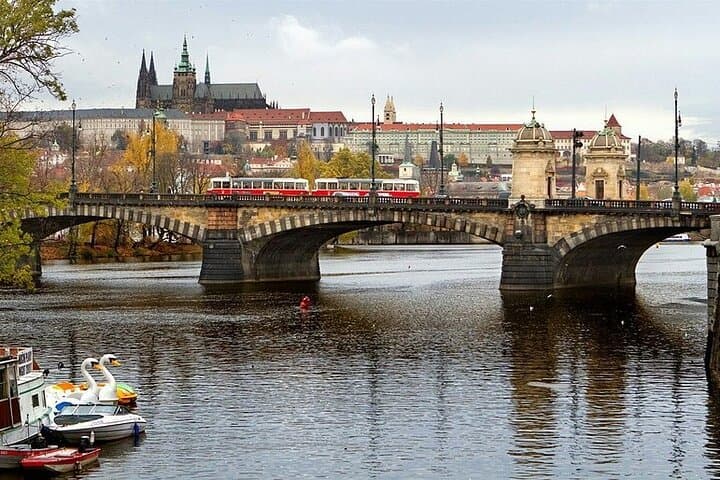
Architecture and urban fabric become evidence: neo-Renaissance façades, socialist-realist former security buildings, and the National Museum’s imposing elevation that once framed public rallies. The Vltava’s course and Prague’s compact medieval core concentrated power and protest in a walkable theater of history.
Practically, the three-hour tour is mostly pavement and light urban staircases; comfortable shoes and a good pair of ears matter more than fitness. The guide provides local context, points to museums and memorials for further exploration, and flags where security measures and respectful behavior are expected at memorial sites.
Expect small-group conversation, pauses for primary-source storytelling, and photo stops at monuments. Bring a refillable water bottle, weather-appropriate layers, and a readiness to follow a personal narrative that links buildings and squares to the political currents that shaped modern Prague.
easy.
3 hours.
Suitable for most people who can stand and walk for several hours at an easy pace; minimal elevation.
Yes; the tour is rated physically easy and accommodates strollers and children, though some historical topics may be intense for younger guests.
Groups are kept relatively small to allow conversation, though sizes can vary; check booking details for maximum numbers.
No — the tour focuses on outdoor sites and commentary; museum entry fees are typically not included but the guide will point out nearby museums to visit independently.
The operator’s policy allows full refunds if you cancel at least 24 hours before the scheduled departure time; check confirmation for specifics.
Prague’s 20th-century political story includes the 1948 Communist coup, the 1968 Soviet invasion that ended the Prague Spring, and the non-violent Velvet Revolution of 1989 that restored democracy.
Tours emphasize low-impact visitation in historic urban areas; stay on paved paths and avoid touching fragile monuments to help preserve sites for future visitors.
Speedy Tours Prague s.r.o operates guided outdoor trips and adventures with an emphasis on safety, stewardship, and memorable experiences.
A brisk Prague morning unfolds on Wenceslas Square — trams rattle past, vendors arrange newspapers, and a local guide waits with a stack of personal stories. The guide’s family history threads through the itinerary: a lived account of shortages, surveillance and the private rebellions people staged under a watchful regime.
A brisk Prague morning unfolds on Wenceslas Square — trams rattle past, vendors arrange newspapers, and a local guide waits with a stack of personal stories. The guide’s family history threads through the itinerary: a lived account of shortages, surveillance and the private rebellions people staged under a watchful regime.
The route moves through Lucerna Passage, past the Powder Tower and along Národní třída toward sites tied to 20th-century upheaval. Visitors hear how WWII and the 1948 Communist takeover reshaped Czech institutions, how the 1968 Soviet invasion extinguished the Prague Spring, and how dissident life — samizdat, covert meetings in cafés like Slavia, and the activities of figures such as Václav Havel — fed the Velvet Revolution of 1989.
Architecture and urban fabric become evidence: neo-Renaissance façades, socialist-realist former security buildings, and the National Museum’s imposing elevation that once framed public rallies. The Vltava’s course and Prague’s compact medieval core concentrated power and protest in a walkable theater of history.
Practically, the three-hour tour is mostly pavement and light urban staircases; comfortable shoes and a good pair of ears matter more than fitness. The guide provides local context, points to museums and memorials for further exploration, and flags where security measures and respectful behavior are expected at memorial sites.
Expect small-group conversation, pauses for primary-source storytelling, and photo stops at monuments. Bring a refillable water bottle, weather-appropriate layers, and a readiness to follow a personal narrative that links buildings and squares to the political currents that shaped modern Prague.