THE ADVENTURE COLLECTIVE® · Independent discovery and booking for outdoor travel

Leave Marrakech for two days of walnut groves, mule tracks and Toubkal-adjacent views. This comfortable multi-day trek combines accessible mountain walking with lodge stays and local Berber hospitality.
Leave Marrakech for two days of walnut groves, mule tracks and Toubkal-adjacent views. This comfortable multi-day trek combines accessible mountain walking with lodge stays and local Berber hospitality.
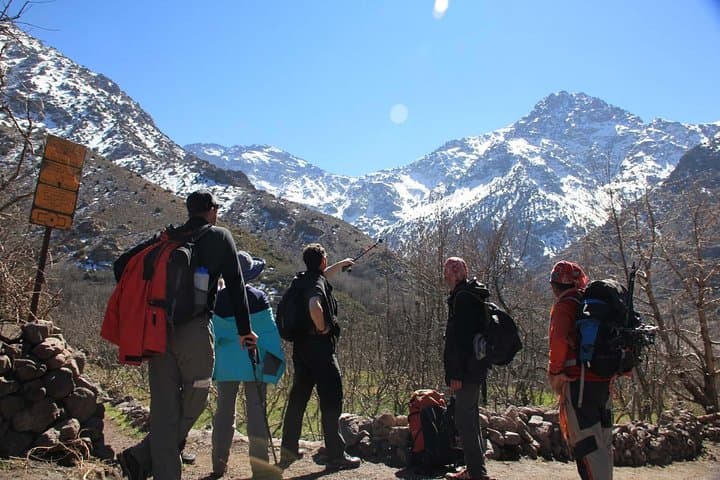
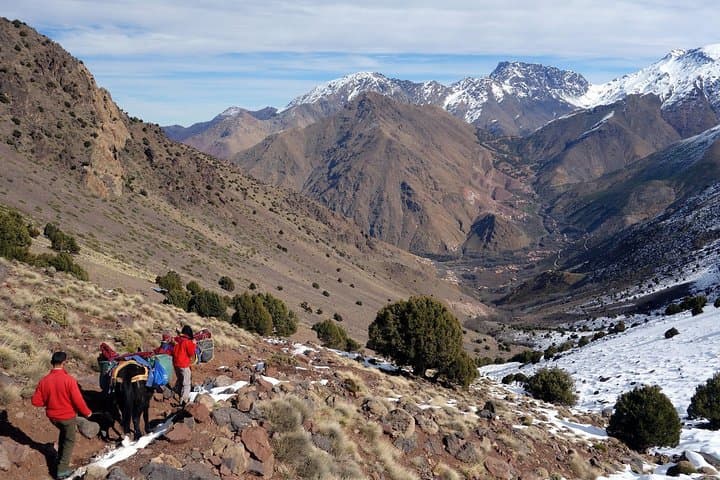
A dusty minibus peels away from the ochre walls of Marrakech at first light, and within an hour and a half the city’s heat gives way to copper-green soil and juniper-sprigged slopes. You step out at Imi Oughlad (about 1,450 m), shoulder your daypack, and follow a mule track that threads walnut groves, a rushing mountain stream, and terraces that climb toward Toubkal’s lower ridgelines.
Verified experiences and guided adventures in the surrounding area.
Operated by View Morocco - DMC Adventure Travel Company · Marrakech, Marrakech-Safi
A dusty minibus peels away from the ochre walls of Marrakech at first light, and within an hour and a half the city’s heat gives way to copper-green soil and juniper-sprigged slopes. You step out at Imi Oughlad (about 1,450 m), shoulder your daypack, and follow a mule track that threads walnut groves, a rushing mountain stream, and terraces that climb toward Toubkal’s lower ridgelines.
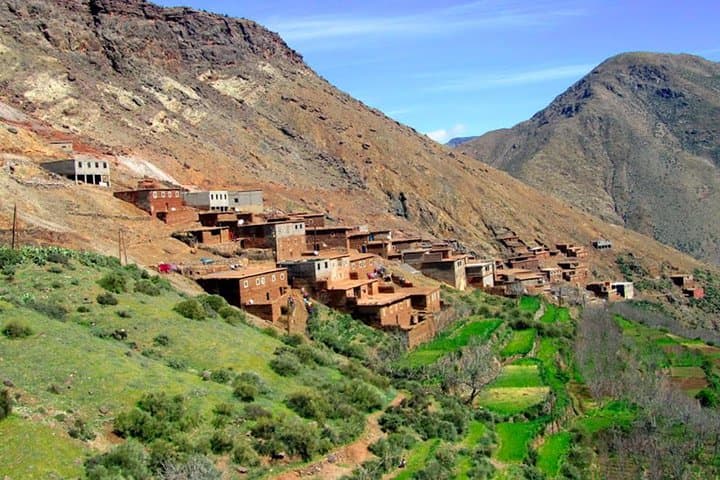
The High Atlas here wears human history on its slopes: small Berber villages, stone irrigation terraces and centuries-old footpaths that connect valley communities. Geologically the range is folded and uplifted limestone and schist, carved into narrow valleys and rounded peaks by snowmelt and seasonal torrents. Local guides—many multilingual—read this landscape the way a shepherd reads weather: by the color of the stream, the direction of goat tracks and the scent of wet earth.
Practically, the trek is compact and deliberate: two days of walking with lodge stays, mules carrying luggage, and all meals provided. Expect gentle to moderate ascents and well-defined trails, with sections that can be rocky after rain. Mornings are best for long views; afternoons bring thermal wind and softer light. Bring sturdy boots, layered clothing for 1,450 m nights, sun protection, and a refillable bottle—the operator supplies drinking water but you’ll want access during the day. Moderate fitness and a comfort with sustained uphill walking make the route enjoyable rather than gruelling.
This is a trek for people who want accessible mountain terrain, cultural contact with Atlas valley life, and roomy lodges at day’s end—adventure with practical comforts.
moderate.
2 days.
Good for hikers who can handle sustained uphill walking for 4–6 hours per day; basic stamina and balance required.
Expect two main walking days of roughly 4–6 hours each; terrain and pace vary, so distances are moderate and measured in sustained time rather than long mileage.
Yes—mules carry luggage during the trek and the program includes all meals, drinking water and lodge accommodation as listed.
No technical high-altitude experience is required; however moderate fitness and comfort with uphill hiking at 1,400+m is recommended.
Yes—pickup and drop-off in Marrakech are included, with about 90 minutes’ drive to the trailhead at Imi Oughlad.
The valleys are inhabited by Amazigh (Berber) communities whose terraced agriculture and stone villages date back centuries and shaped local routes between valleys.
Stick to marked trails and lodges’ waste rules; water is managed carefully in these valleys and visitors should avoid single-use plastics and respect grazing rotations.
View Morocco - DMC Adventure Travel Company operates guided outdoor trips and adventures with an emphasis on safety, stewardship, and memorable experiences.
A dusty minibus peels away from the ochre walls of Marrakech at first light, and within an hour and a half the city’s heat gives way to copper-green soil and juniper-sprigged slopes. You step out at Imi Oughlad (about 1,450 m), shoulder your daypack, and follow a mule track that threads walnut groves, a rushing mountain stream, and terraces that climb toward Toubkal’s lower ridgelines.
A dusty minibus peels away from the ochre walls of Marrakech at first light, and within an hour and a half the city’s heat gives way to copper-green soil and juniper-sprigged slopes. You step out at Imi Oughlad (about 1,450 m), shoulder your daypack, and follow a mule track that threads walnut groves, a rushing mountain stream, and terraces that climb toward Toubkal’s lower ridgelines.
The High Atlas here wears human history on its slopes: small Berber villages, stone irrigation terraces and centuries-old footpaths that connect valley communities. Geologically the range is folded and uplifted limestone and schist, carved into narrow valleys and rounded peaks by snowmelt and seasonal torrents. Local guides—many multilingual—read this landscape the way a shepherd reads weather: by the color of the stream, the direction of goat tracks and the scent of wet earth.
Practically, the trek is compact and deliberate: two days of walking with lodge stays, mules carrying luggage, and all meals provided. Expect gentle to moderate ascents and well-defined trails, with sections that can be rocky after rain. Mornings are best for long views; afternoons bring thermal wind and softer light. Bring sturdy boots, layered clothing for 1,450 m nights, sun protection, and a refillable bottle—the operator supplies drinking water but you’ll want access during the day. Moderate fitness and a comfort with sustained uphill walking make the route enjoyable rather than gruelling.
This is a trek for people who want accessible mountain terrain, cultural contact with Atlas valley life, and roomy lodges at day’s end—adventure with practical comforts.