THE ADVENTURE COLLECTIVE® · Independent discovery and booking for outdoor travel

Trace Columbus’s stops on La Gomera and step into the damp laurel chambers of Garajonay National Park. This compact day tour blends colonial sites, whistled language, and volcanic landscapes for a focused cultural-nature experience.
Trace Columbus’s stops on La Gomera and step into the damp laurel chambers of Garajonay National Park. This compact day tour blends colonial sites, whistled language, and volcanic landscapes for a focused cultural-nature experience.
Morning light hits the basalt cliffs as the van winds away from San Sebastián; the ocean opens to one side while the laurel forest climbs on the other.
Verified experiences and guided adventures in the surrounding area.
Operated by Asociación Wildlife Spain · San Sebastián de La Gomera, Province of Santa Cruz de Tenerife, Canary Islands
Morning light hits the basalt cliffs as the van winds away from San Sebastián; the ocean opens to one side while the laurel forest climbs on the other.
This two-hour route stitches colonial history to island geology: start in San Sebastián de La Gomera, where the Casa de Colón displays pre-Columbian sculpture and maps that explain why Columbus reprovisioned here. Walk to Torre del Conde, a compact 15th-century fortress with weathered stone that still reads like a ledger of early Atlantic power.
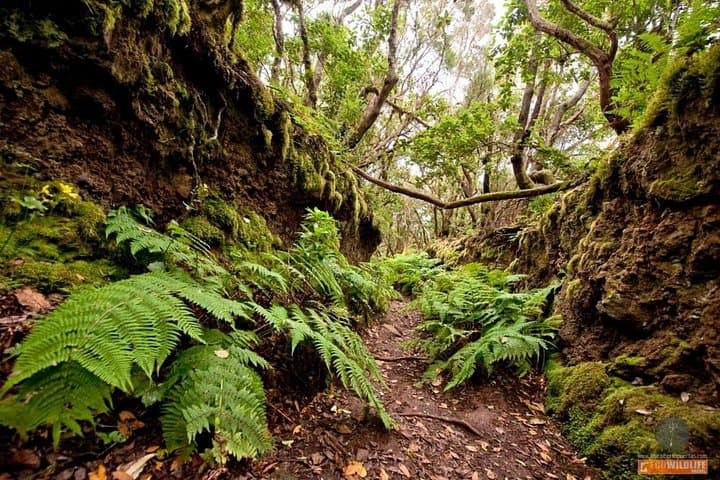
Move inland and the Laurisilva greets you — an ancient, humid woodland whose moss and twisting laurel trunks slow your pace and sharpen your senses. Garajonay National Park, a UNESCO Biosphere Reserve, preserves soils and microclimates formed by volcanic eruptions and persistent trade winds; the result is a forest that muffles sound and channels visitors along damp trails.
Culture threads through the day: hear about Silbo Gomero, the island’s whistled language that carried messages across deep ravines, and visit villages like Agulo and Hermigua with terraced fields that reveal generations of island agriculture.
Practical guidance: expect short walks on uneven, often slippery volcanic soil; wear sturdy footwear, bring water, and plan for rapid weather changes — temperatures can be 5–10°C cooler in the park than on the coast. The tour suits travelers with moderate fitness and an interest in combined natural and historical storytelling. Leave extra time to explore viewpoints around Vallehermoso or linger in Valle Gran Rey if you want a coastal finish to the day.
moderate.
2 hours.
Moderate fitness: able to walk on uneven ground and climb short stair sections.
The guided experience runs about 2 hours, focusing on San Sebastián and key Garajonay viewpoints.
Yes for older children with moderate fitness; it's not advised for very young children due to uneven paths and stairs.
Yes — the itinerary includes access to protected Laurisilva areas and viewpoints within Garajonay.
San Sebastián and some villages offer facilities; carry snacks for time in the park between stops.
San Sebastián was a key Atlantic provisioning port in the 15th century; Torre del Conde is one of the Canary Islands’ best-preserved medieval fortresses linked to early colonial administration.
Garajonay’s protection focuses on preserving the Laurisilva microclimate and preventing erosion from foot traffic; visitors are encouraged to stay on marked trails and avoid disturbing understory vegetation.
Asociación Wildlife Spain operates guided outdoor trips and adventures with an emphasis on safety, stewardship, and memorable experiences.
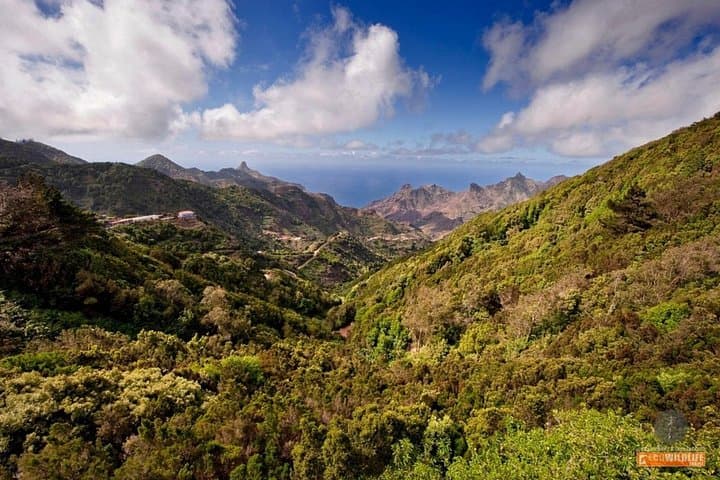
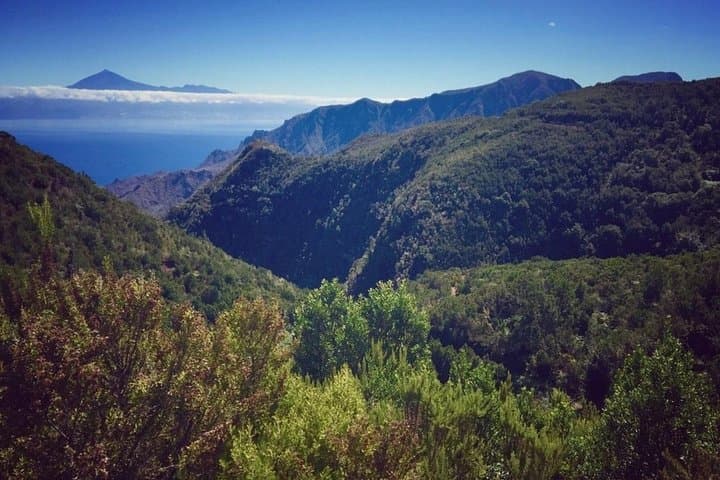
Morning light hits the basalt cliffs as the van winds away from San Sebastián; the ocean opens to one side while the laurel forest climbs on the other.
Morning light hits the basalt cliffs as the van winds away from San Sebastián; the ocean opens to one side while the laurel forest climbs on the other.
This two-hour route stitches colonial history to island geology: start in San Sebastián de La Gomera, where the Casa de Colón displays pre-Columbian sculpture and maps that explain why Columbus reprovisioned here. Walk to Torre del Conde, a compact 15th-century fortress with weathered stone that still reads like a ledger of early Atlantic power.
Move inland and the Laurisilva greets you — an ancient, humid woodland whose moss and twisting laurel trunks slow your pace and sharpen your senses. Garajonay National Park, a UNESCO Biosphere Reserve, preserves soils and microclimates formed by volcanic eruptions and persistent trade winds; the result is a forest that muffles sound and channels visitors along damp trails.
Culture threads through the day: hear about Silbo Gomero, the island’s whistled language that carried messages across deep ravines, and visit villages like Agulo and Hermigua with terraced fields that reveal generations of island agriculture.
Practical guidance: expect short walks on uneven, often slippery volcanic soil; wear sturdy footwear, bring water, and plan for rapid weather changes — temperatures can be 5–10°C cooler in the park than on the coast. The tour suits travelers with moderate fitness and an interest in combined natural and historical storytelling. Leave extra time to explore viewpoints around Vallehermoso or linger in Valle Gran Rey if you want a coastal finish to the day.