THE ADVENTURE COLLECTIVE® · Independent discovery and booking for outdoor travel

Drive the Icefields Parkway to the Columbia Icefield for glacier viewpoints, turquoise lakes, and optional Ice Explorer or Glacier Skywalk experiences. This full-day trip from Calgary combines big-mountain scenery with short, guided walks and prime photo stops.
Drive the Icefields Parkway to the Columbia Icefield for glacier viewpoints, turquoise lakes, and optional Ice Explorer or Glacier Skywalk experiences. This full-day trip from Calgary combines big-mountain scenery with short, guided walks and prime photo stops.
You step out of the van and cold air cuts like a map across your face; the Icefields Parkway unfurls ahead, a highway of stone and sky. Towers of limestone and granite loom, creased with ice that has shaped these valleys for millennia. The Athabasca Glacier waits like an old, slow-moving machine — patient, enormous, and blue-edged.
Verified experiences and guided adventures in the surrounding area.
Operated by 1000HOST · Banff, Alberta
You step out of the van and cold air cuts like a map across your face; the Icefields Parkway unfurls ahead, a highway of stone and sky. Towers of limestone and granite loom, creased with ice that has shaped these valleys for millennia. The Athabasca Glacier waits like an old, slow-moving machine — patient, enormous, and blue-edged.
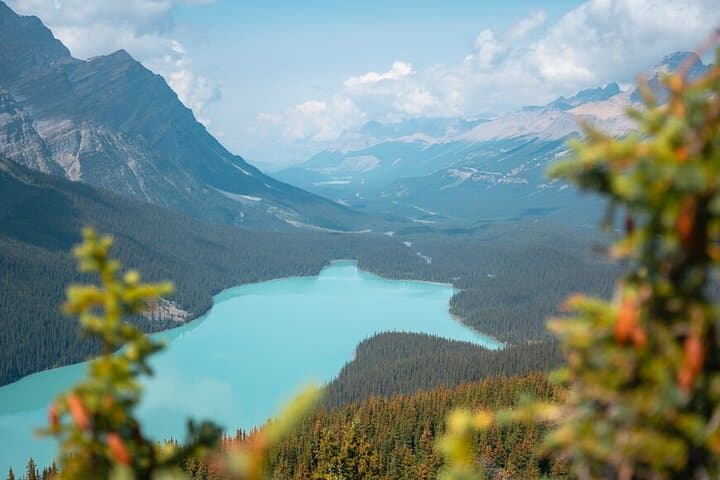
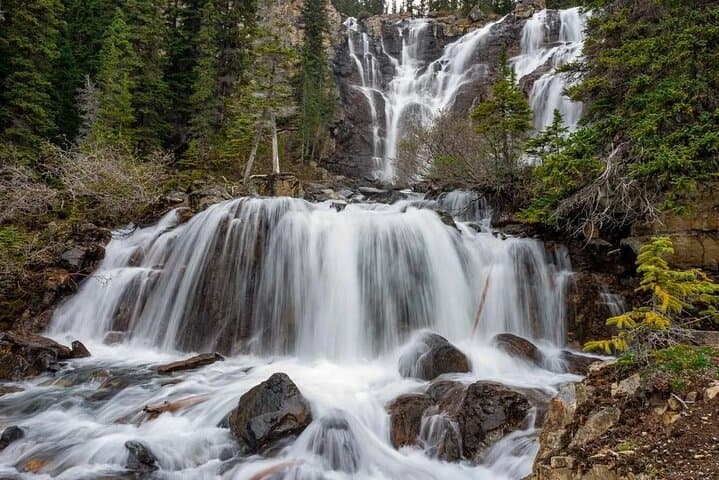
Geology here reads like a field guide to time: alpine peaks carved in the last ice age, moraines that mark ancient margins, and meltwater plunging into turquoise lakes. The Columbia Icefield is the largest ice mass in the Rockies, feeding rivers that dare to run downstream toward both the Pacific and Arctic.
Culturally, this route threads through Stoney Nakoda and other Indigenous territories long connected to mountain routes and waterways; later, early railway surveyors and park builders left their marks in roadcuts and viewpoints. Small communities — Banff, Lake Louise, Jasper — grew where refuge and commerce met the mountains.
Practical guidance: the full day is mostly coach travel with short, controlled walks on gravel viewpoints and the glacier access zone. Bring layered insulation, waterproof boots, sunglasses and sunscreen — glare off ice is intense. Expect variable weather; the operator includes Parks Canada fees and offers options for the Ice Explorer or Glacier Skywalk at the field. Photography is best in the soft light of morning or late afternoon; mid-day can be busy. If you prefer fewer crowds, plan shoulder-season travel and confirm road and Skywalk availability. Respect marked areas: glacier ice hides crevasses; stay with guides and heed safety briefings.
easy.
10–11 hours.
Suitable for most fitness levels — travel is coach-based with short, accessible walks and viewpoints.
This tour lists an entrance fee to Parks Canada among inclusions; confirm at booking and keep proof of payment with you.
Short, supervised glacier walks from the parking/viewing area are possible, but venturing onto the glacier beyond marked zones requires guide services or the Ice Explorer for safety.
Late June to early September gives the most reliable road access and milder conditions, while shoulder seasons offer lower crowds but more variable weather and possible road closures.
The itinerary allows roughly 120 minutes at the Columbia Icefield area for viewpoints, Skywalk or Ice Explorer options, and short walks.
The Columbia Icefield formed over thousands of years and sits on routes long traversed by Indigenous peoples; the Icefields Parkway was constructed in the 20th century to connect mountain communities and open the landscape to visitors.
Glaciers in the Columbia Icefield are retreating due to climate change; stay on designated trails, pack out waste, and follow Park rules to reduce impact.
1000HOST operates guided outdoor trips and adventures with an emphasis on safety, stewardship, and memorable experiences.
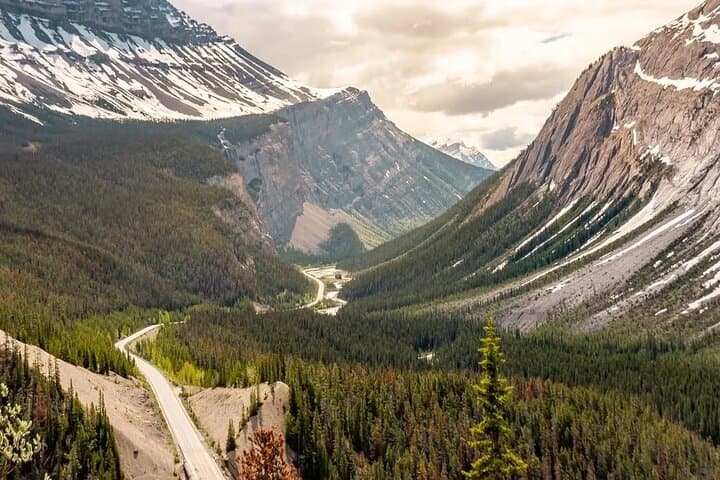
You step out of the van and cold air cuts like a map across your face; the Icefields Parkway unfurls ahead, a highway of stone and sky. Towers of limestone and granite loom, creased with ice that has shaped these valleys for millennia. The Athabasca Glacier waits like an old, slow-moving machine — patient, enormous, and blue-edged.
You step out of the van and cold air cuts like a map across your face; the Icefields Parkway unfurls ahead, a highway of stone and sky. Towers of limestone and granite loom, creased with ice that has shaped these valleys for millennia. The Athabasca Glacier waits like an old, slow-moving machine — patient, enormous, and blue-edged.
Geology here reads like a field guide to time: alpine peaks carved in the last ice age, moraines that mark ancient margins, and meltwater plunging into turquoise lakes. The Columbia Icefield is the largest ice mass in the Rockies, feeding rivers that dare to run downstream toward both the Pacific and Arctic.
Culturally, this route threads through Stoney Nakoda and other Indigenous territories long connected to mountain routes and waterways; later, early railway surveyors and park builders left their marks in roadcuts and viewpoints. Small communities — Banff, Lake Louise, Jasper — grew where refuge and commerce met the mountains.
Practical guidance: the full day is mostly coach travel with short, controlled walks on gravel viewpoints and the glacier access zone. Bring layered insulation, waterproof boots, sunglasses and sunscreen — glare off ice is intense. Expect variable weather; the operator includes Parks Canada fees and offers options for the Ice Explorer or Glacier Skywalk at the field. Photography is best in the soft light of morning or late afternoon; mid-day can be busy. If you prefer fewer crowds, plan shoulder-season travel and confirm road and Skywalk availability. Respect marked areas: glacier ice hides crevasses; stay with guides and heed safety briefings.