THE ADVENTURE COLLECTIVE® · Independent discovery and booking for outdoor travel

Ride through one of America’s most dramatic river canyons on a guided full-day bikeway that links Chanticleer Point, Multnomah Falls and Rowena Crest. Expect 35–60 miles of gentle climbs, basalt cliffs, protected bike paths and local stops for photos and lunch.
Ride through one of America’s most dramatic river canyons on a guided full-day bikeway that links Chanticleer Point, Multnomah Falls and Rowena Crest. Expect 35–60 miles of gentle climbs, basalt cliffs, protected bike paths and local stops for photos and lunch.
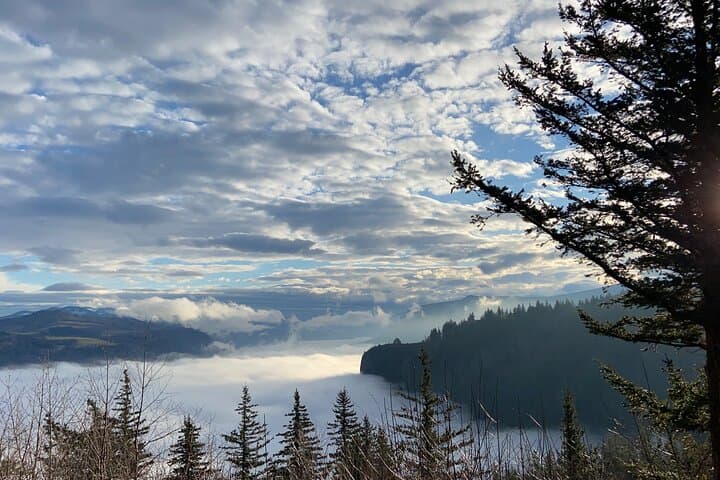
The morning opens on SE Main Street with the hiss of tires and the smell of coffee as twelve riders clamp cleats into pedals and shoulder into the wind that funnels through the Columbia River Gorge. You roll away from the red-and-silver shop, climb briefly to Chanticleer Point where the river uncoils below like a wide, moving mirror, and then the route begins its patient negotiation with the landscape—gentle grades, quick descents and a steady parade of basalt cliffs and waterfalls daring you to stop for one more photo.
Verified experiences and guided adventures in the surrounding area.
Operated by Around Portland Tours · Portland, Oregon
The morning opens on SE Main Street with the hiss of tires and the smell of coffee as twelve riders clamp cleats into pedals and shoulder into the wind that funnels through the Columbia River Gorge. You roll away from the red-and-silver shop, climb briefly to Chanticleer Point where the river uncoils below like a wide, moving mirror, and then the route begins its patient negotiation with the landscape—gentle grades, quick descents and a steady parade of basalt cliffs and waterfalls daring you to stop for one more photo.
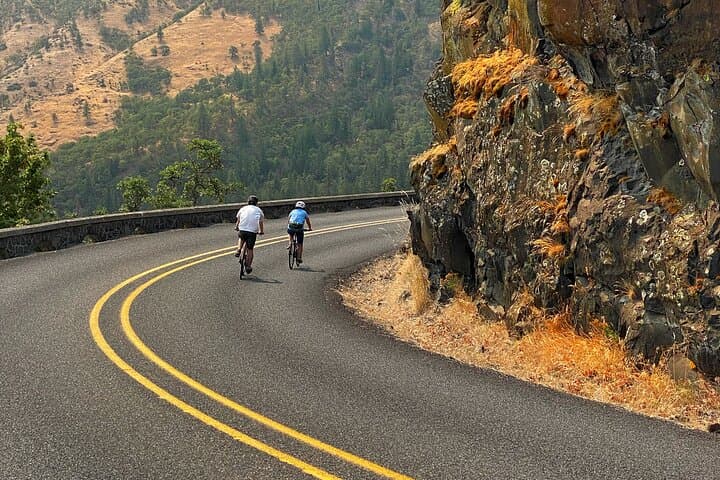
This is not a race; it’s an education on how a river carves a route. The Historic Columbia River Highway—America’s first planned scenic byway—was engineered here in the 1910s to showcase sites like Multnomah and Horsetail Falls and to thread motorists along dramatic viewpoints. Geologically the gorge is a book of lava flows and ice-age floods: layered basalt, wind-scoured benches and river terraces that change color with the light.
Culturally, the Columbia was a highway for traders and a lifeline for the Native nations who tended salmon runs and camas prairies. Today the ride stitches small-scale agriculture—cherry orchards and vineyards—with conserved forests and interpretive pullouts. Guides fold local history into the rhythm of the ride, pointing out Vista House and the masonry of the old highway while you coast past trailheads and wineries.
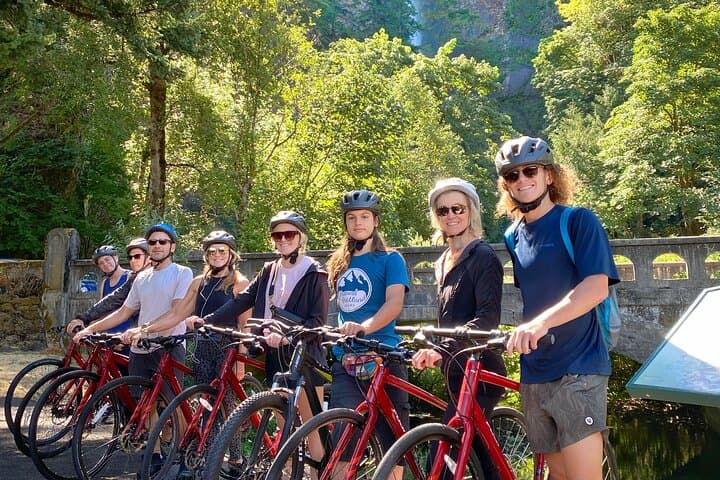
The tour typically covers 35–60 miles (60–100 km) depending on the chosen route, with about six hours of actual riding and no climb above roughly 900 feet (300 m). You’ll spend sections on dedicated bike/ped paths and portions on the scenic highway; traffic is present but controlled and groups are capped at 12 for safety. Hybrid bikes and helmets are supplied, and vans provide shuttle help for out-and-back or one-way options.
For planning: bring a hydration system and at least two liters of water, layered clothing for variable Gorge winds, and a charged phone with emergency contacts. Expect 8 hours total including transfers; pack or budget for lunch at a roadside café or a picnic pickup. Spring brings roaring falls and muddy shoulders; summer offers long daylight and heat; fall cools with crisp air and clearer views; winter can be wet and icy—check conditions before you go.
This ride rewards steady cadence more than brute power. It’s an approachable challenge for anyone with moderate fitness who can handle sustained time in the saddle and basic road-handling skills. Ride smart: respect the river’s pull, read the road, and leave room to stop and watch the Gorge do what it’s done for millennia.
moderate.
8 hours (approx. 6 hours riding).
Good aerobic base and comfort on a bike for multiple hours; steady cadence more than sprint power
Tours are 8 hours in total with about 6 hours of riding; routes range from 35 to 60 miles (60–100 km) depending on group preference.
Yes—hybrid bikes and helmets are supplied and guides will fit and adjust them before departure.
Lunch is on your own; guides will recommend cafés and picnic spots or you can bring a packed lunch.
Moderate fitness is recommended—participants should be comfortable riding several hours, climbing gentle grades and managing descents.
Novice riders with basic handling skills and confidence in traffic can join, but the pace covers long distances and some climbs; consult the provider if unsure.
The tour does not automatically cancel for rain; if conditions are dangerous or the operator cancels due to insufficient riders you will be notified—check the 24-hour cancellation policy for refunds.
The Historic Columbia River Highway, built 1913–1922, was an early American effort to design roadways for scenic travel and remains a central cultural feature of the Gorge.
The gorge is critical salmon habitat and a mosaic of public and private lands—stay on designated routes, pack out waste, and respect vineyard and orchard properties.
Around Portland Tours operates guided outdoor trips and adventures with an emphasis on safety, stewardship, and memorable experiences.
The morning opens on SE Main Street with the hiss of tires and the smell of coffee as twelve riders clamp cleats into pedals and shoulder into the wind that funnels through the Columbia River Gorge. You roll away from the red-and-silver shop, climb briefly to Chanticleer Point where the river uncoils below like a wide, moving mirror, and then the route begins its patient negotiation with the landscape—gentle grades, quick descents and a steady parade of basalt cliffs and waterfalls daring you to stop for one more photo.
The morning opens on SE Main Street with the hiss of tires and the smell of coffee as twelve riders clamp cleats into pedals and shoulder into the wind that funnels through the Columbia River Gorge. You roll away from the red-and-silver shop, climb briefly to Chanticleer Point where the river uncoils below like a wide, moving mirror, and then the route begins its patient negotiation with the landscape—gentle grades, quick descents and a steady parade of basalt cliffs and waterfalls daring you to stop for one more photo.
This is not a race; it’s an education on how a river carves a route. The Historic Columbia River Highway—America’s first planned scenic byway—was engineered here in the 1910s to showcase sites like Multnomah and Horsetail Falls and to thread motorists along dramatic viewpoints. Geologically the gorge is a book of lava flows and ice-age floods: layered basalt, wind-scoured benches and river terraces that change color with the light.
Culturally, the Columbia was a highway for traders and a lifeline for the Native nations who tended salmon runs and camas prairies. Today the ride stitches small-scale agriculture—cherry orchards and vineyards—with conserved forests and interpretive pullouts. Guides fold local history into the rhythm of the ride, pointing out Vista House and the masonry of the old highway while you coast past trailheads and wineries.
The tour typically covers 35–60 miles (60–100 km) depending on the chosen route, with about six hours of actual riding and no climb above roughly 900 feet (300 m). You’ll spend sections on dedicated bike/ped paths and portions on the scenic highway; traffic is present but controlled and groups are capped at 12 for safety. Hybrid bikes and helmets are supplied, and vans provide shuttle help for out-and-back or one-way options.
For planning: bring a hydration system and at least two liters of water, layered clothing for variable Gorge winds, and a charged phone with emergency contacts. Expect 8 hours total including transfers; pack or budget for lunch at a roadside café or a picnic pickup. Spring brings roaring falls and muddy shoulders; summer offers long daylight and heat; fall cools with crisp air and clearer views; winter can be wet and icy—check conditions before you go.
This ride rewards steady cadence more than brute power. It’s an approachable challenge for anyone with moderate fitness who can handle sustained time in the saddle and basic road-handling skills. Ride smart: respect the river’s pull, read the road, and leave room to stop and watch the Gorge do what it’s done for millennia.