THE ADVENTURE COLLECTIVE® · Independent discovery and booking for outdoor travel

Combine an expert-led Colosseum introduction with flexible, self-guided access to the Roman Forum and Palatine Hill. Arrive prepared—this tour pairs authoritative history with plenty of time to explore the ruins at your own pace.
Combine an expert-led Colosseum introduction with flexible, self-guided access to the Roman Forum and Palatine Hill. Arrive prepared—this tour pairs authoritative history with plenty of time to explore the ruins at your own pace.
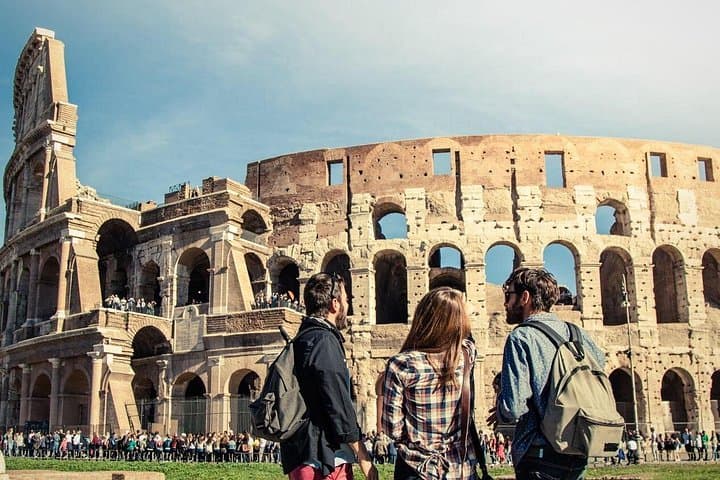
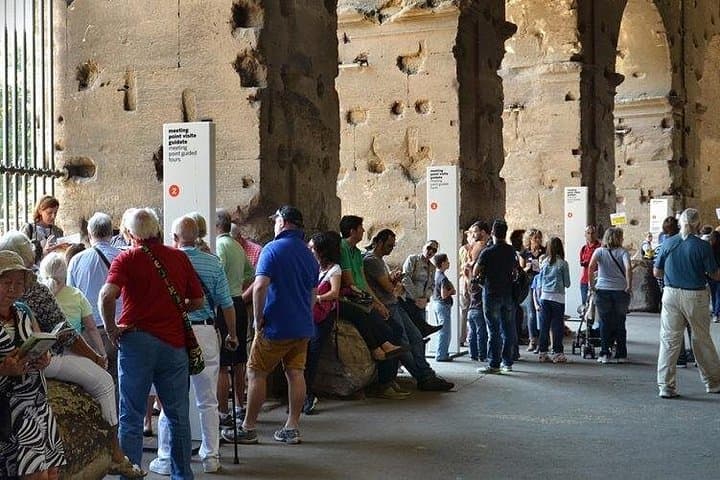
You step through a modern queue and into a bowl of stone that has watched emperors, mobs and market sellers for nearly two millennia. Light slides down tiered arches; the air carries the faint grit of travertine and the murmur of languages. For the first hour and ten minutes a licensed guide sketches the Colosseum’s engineering—its vomitoria, complex pulley systems and rare naval reenactments—before freeing you to roam at your own pace.
Verified experiences and guided adventures in the surrounding area.
Operated by Taj Colosseum Tours · Rome, Lazio
You step through a modern queue and into a bowl of stone that has watched emperors, mobs and market sellers for nearly two millennia. Light slides down tiered arches; the air carries the faint grit of travertine and the murmur of languages. For the first hour and ten minutes a licensed guide sketches the Colosseum’s engineering—its vomitoria, complex pulley systems and rare naval reenactments—before freeing you to roam at your own pace.
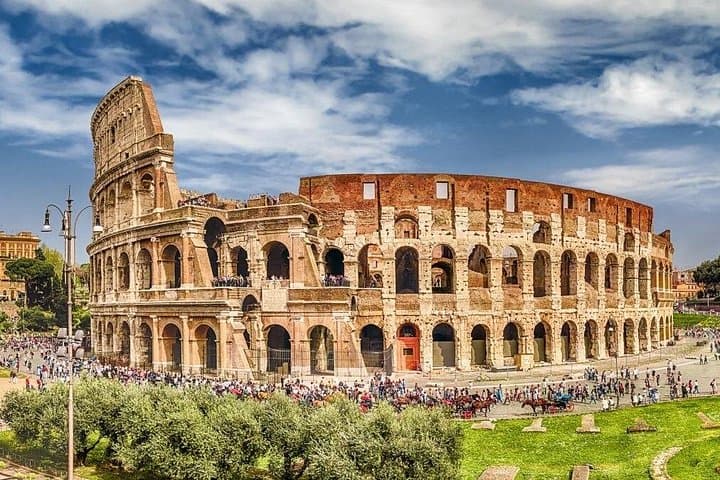
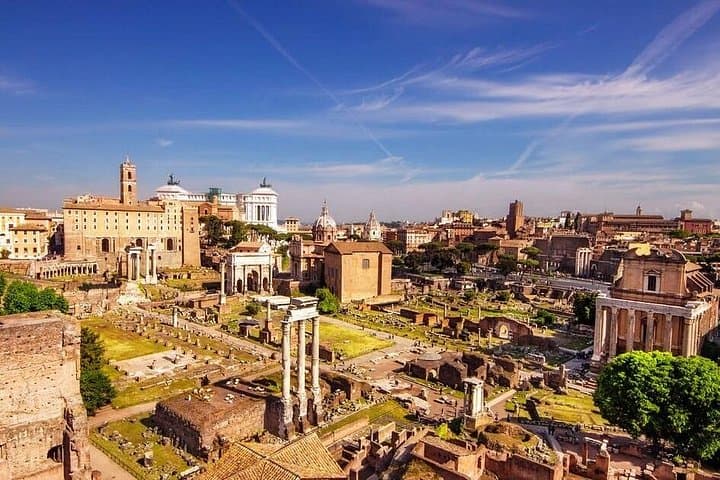
Built between 70–80 AD under Vespasian and Titus, the amphitheater sits atop geological layers of travertine and tuff quarried nearby; a short walk uphill brings you to the Palatine, where Roman origin myths and imperial palaces cling to oak-studded slopes. The Forum’s ruined columns and the Via Sacra still map the city’s civic life—temples, basilicas and tribunals—offering concrete traces of Roman law, commerce and religion.
Practical notes are simple: arrive with the full names and IDs used for booking, expect uneven ancient paving, and allow extra time for photos on the Palatine ridge. The tour includes a Colosseum ticket plus independent access to the Forum and Palatine so you can linger on viewpoints or duck into quieter corners of Oppian Hill Garden. Early morning or late afternoon light reduces crowds and harsh shadows; bring water, sun protection in summer and a compact rain layer in unpredictable seasons.
This combo of guided interpretation and self-guided freedom suits travelers who want authoritative context then space to explore—history delivered by an expert, followed by time to make the ruins your own.
easy.
2–3 hours.
Suitable for most fitness levels; involves walking on uneven surfaces and short climbs on the Palatine.
Yes—each traveler must present a passport or government ID that exactly matches the name used for booking.
The guide-led segment lasts about 1 hour and 10 minutes; after that you have independent access to the Colosseum, Forum and Palatine.
Strollers are permitted in some areas but much of the site has uneven surfaces and steps; full wheelchair access is limited and varies by area.
Yes—your ticket includes self-guided admission to the Roman Forum and Palatine Hill so you can stay as long as the venue is open.
The Colosseum was completed around 80 AD under Emperor Titus; Palatine Hill was the aristocratic core where Rome’s earliest emperors built palaces and where myth says Romulus founded the city.
The site is protected as part of Rome’s archaeological park and UNESCO oversight; visitors are asked to stay on marked paths, avoid touching fragile masonry and carry out waste to reduce wear.
Taj Colosseum Tours operates guided outdoor trips and adventures with an emphasis on safety, stewardship, and memorable experiences.
You step through a modern queue and into a bowl of stone that has watched emperors, mobs and market sellers for nearly two millennia. Light slides down tiered arches; the air carries the faint grit of travertine and the murmur of languages. For the first hour and ten minutes a licensed guide sketches the Colosseum’s engineering—its vomitoria, complex pulley systems and rare naval reenactments—before freeing you to roam at your own pace.
You step through a modern queue and into a bowl of stone that has watched emperors, mobs and market sellers for nearly two millennia. Light slides down tiered arches; the air carries the faint grit of travertine and the murmur of languages. For the first hour and ten minutes a licensed guide sketches the Colosseum’s engineering—its vomitoria, complex pulley systems and rare naval reenactments—before freeing you to roam at your own pace.
Built between 70–80 AD under Vespasian and Titus, the amphitheater sits atop geological layers of travertine and tuff quarried nearby; a short walk uphill brings you to the Palatine, where Roman origin myths and imperial palaces cling to oak-studded slopes. The Forum’s ruined columns and the Via Sacra still map the city’s civic life—temples, basilicas and tribunals—offering concrete traces of Roman law, commerce and religion.
Practical notes are simple: arrive with the full names and IDs used for booking, expect uneven ancient paving, and allow extra time for photos on the Palatine ridge. The tour includes a Colosseum ticket plus independent access to the Forum and Palatine so you can linger on viewpoints or duck into quieter corners of Oppian Hill Garden. Early morning or late afternoon light reduces crowds and harsh shadows; bring water, sun protection in summer and a compact rain layer in unpredictable seasons.
This combo of guided interpretation and self-guided freedom suits travelers who want authoritative context then space to explore—history delivered by an expert, followed by time to make the ruins your own.