THE ADVENTURE COLLECTIVE® · Independent discovery and booking for outdoor travel

Enter through the Gladiators’ Gate and walk the tiers where Rome’s spectators once roared. This guided, skip-the-line experience pairs the Colosseum’s arena with the Roman Forum and Palatine Hill for a compact, interpretation-rich visit.
Enter through the Gladiators’ Gate and walk the tiers where Rome’s spectators once roared. This guided, skip-the-line experience pairs the Colosseum’s arena with the Roman Forum and Palatine Hill for a compact, interpretation-rich visit.
You step through the Gladiators' Gate and the air changes — stone tiers rise like folded steps around the arena, and the distant rumble of modern Rome slips away.
Verified experiences and guided adventures in the surrounding area.
Operated by Discover Rome Tours · Rome, Lazio
You step through the Gladiators' Gate and the air changes — stone tiers rise like folded steps around the arena, and the distant rumble of modern Rome slips away.
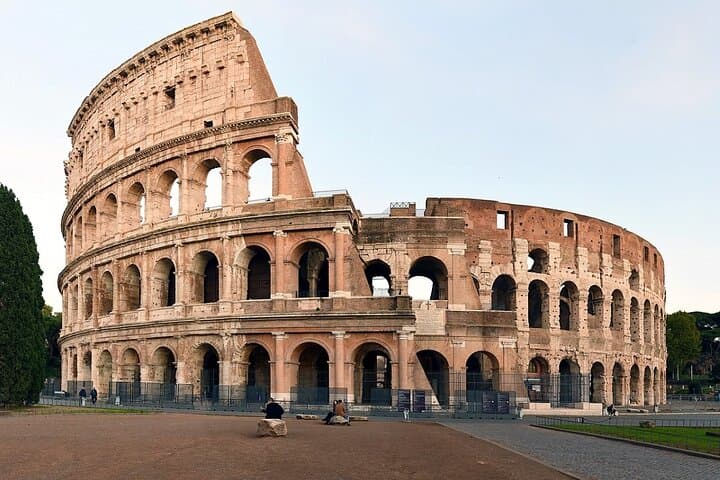
Built between AD 72–80 under the Flavian emperors, the Colosseum was engineered to hold upward of 50,000 spectators; walking its first and second tiers brings you face-to-face with the layout that hosted gladiatorial combat, mock sea battles and spectacles that shaped Roman public life.
Beneath the architecture is volcanic geology: travertine facades and tuff foundations quarried from the Alban Hills and engineered with concrete recipes that still reward study. Nearby, the Roman Forum spreads along a former river valley — once the civic heart — and Palatine Hill keeps the ruins of imperial palaces and Roman domestic life within easy reach.
A guided tour at midday will thread these sites together, pairing structural details (hypogeum trapdoors, seating inscriptions) with social context — how law, religion and entertainment intertwined in urban Rome. Local guides will point out carved names of nobles, masonry repairs from Renaissance restorers, and the modern conservation efforts that limit access to sensitive areas.
Practical notes: tours run about 2–2.5 hours; expect uneven stone steps and security screening. Bring a photo-friendly camera, government ID for ticket pickup, and a refillable water bottle. Time your visit for early morning or late afternoon to avoid heat and crowds, and follow your guide’s route to make the most of skip-the-line access and the layered history visible across the arena, Forum and Palatine.
easy.
2–2.5 hours.
Suitable for most fitness levels; expect walking on uneven stone and some stair climbing
Yes — this tour includes the Colosseum entrance ticket and reservation fee; Roman Forum and Palatine Hill access are included (self-guided at those sites).
Yes — the booking includes skip-the-line access through a dedicated gate, though you still pass security screening on arrival.
Parts of the site and ticketing areas offer wheelchair access, but some tiers and archaeological areas use stairs and uneven surfaces; contact the operator for specific accommodations.
Security restrictions apply; large bags may be subject to additional screening or not allowed — bring a small bag to speed entry.
The Colosseum was commissioned by Vespasian and completed under Titus in AD 80; its tiers structured Roman social order and public spectacle.
Ongoing restoration and visitor limits protect fragile masonry; stick to marked paths, avoid touching carved surfaces, and follow guide instructions to reduce impact.
Discover Rome Tours operates guided outdoor trips and adventures with an emphasis on safety, stewardship, and memorable experiences.
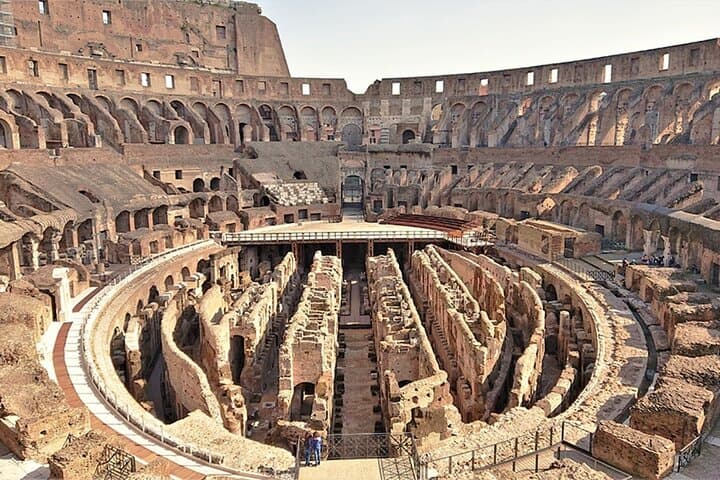
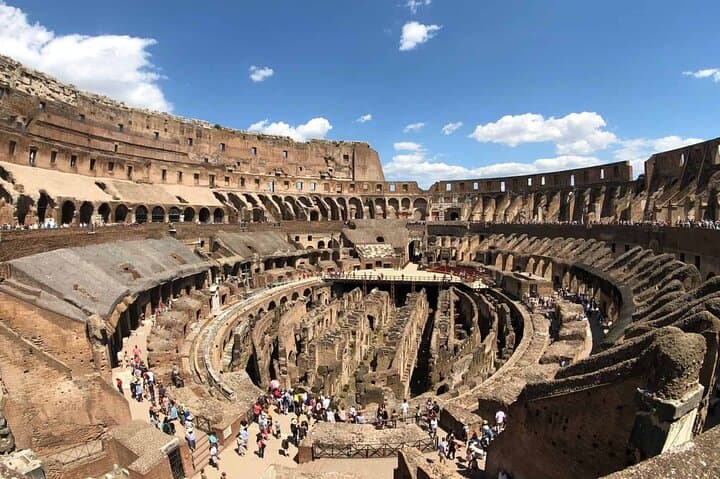
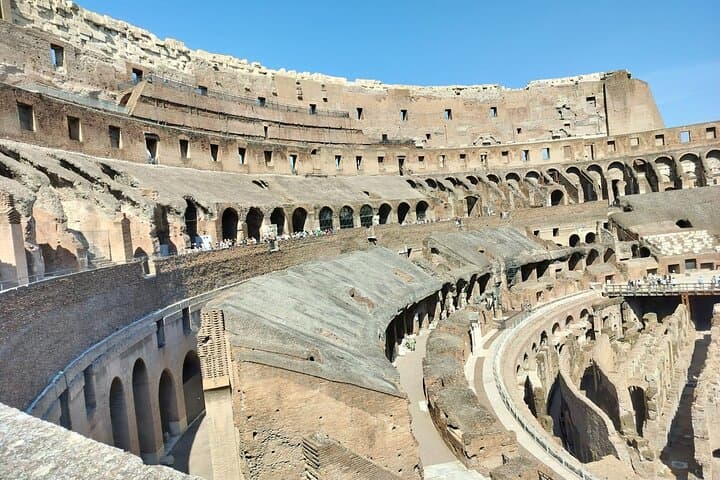
You step through the Gladiators' Gate and the air changes — stone tiers rise like folded steps around the arena, and the distant rumble of modern Rome slips away.
You step through the Gladiators' Gate and the air changes — stone tiers rise like folded steps around the arena, and the distant rumble of modern Rome slips away.
Built between AD 72–80 under the Flavian emperors, the Colosseum was engineered to hold upward of 50,000 spectators; walking its first and second tiers brings you face-to-face with the layout that hosted gladiatorial combat, mock sea battles and spectacles that shaped Roman public life.
Beneath the architecture is volcanic geology: travertine facades and tuff foundations quarried from the Alban Hills and engineered with concrete recipes that still reward study. Nearby, the Roman Forum spreads along a former river valley — once the civic heart — and Palatine Hill keeps the ruins of imperial palaces and Roman domestic life within easy reach.
A guided tour at midday will thread these sites together, pairing structural details (hypogeum trapdoors, seating inscriptions) with social context — how law, religion and entertainment intertwined in urban Rome. Local guides will point out carved names of nobles, masonry repairs from Renaissance restorers, and the modern conservation efforts that limit access to sensitive areas.
Practical notes: tours run about 2–2.5 hours; expect uneven stone steps and security screening. Bring a photo-friendly camera, government ID for ticket pickup, and a refillable water bottle. Time your visit for early morning or late afternoon to avoid heat and crowds, and follow your guide’s route to make the most of skip-the-line access and the layered history visible across the arena, Forum and Palatine.