THE ADVENTURE COLLECTIVE® · Independent discovery and booking for outdoor travel

Go beyond the ticket line: explore the Colosseum’s underground hypogeum, stand on the arena floor, then self-guide through the Palatine Hill and Roman Forum. This all-access tour pairs close-up history with practical tips for navigating ancient stone.
Go beyond the ticket line: explore the Colosseum’s underground hypogeum, stand on the arena floor, then self-guide through the Palatine Hill and Roman Forum. This all-access tour pairs close-up history with practical tips for navigating ancient stone.
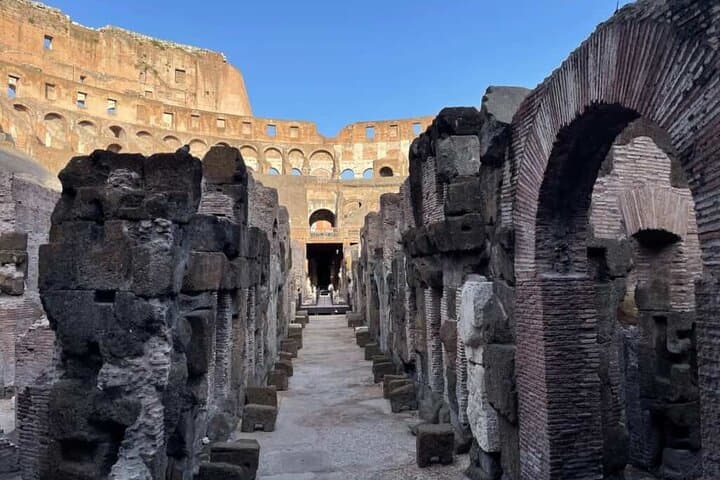
You step through a modern metal gate and the city noise thins to the hollow pulse of stone—cool, shadowed corridors that once held gladiators and exotic beasts. The guide leads you down into the Colosseum’s underground, where timber tracks, chambers and the ghost of hooves outline an unseen logistics system; sunlight from the Arena above slices through openings, giving depth to the ruins.
Verified experiences and guided adventures in the surrounding area.
Operated by PHOENIX · Rome, Lazio
You step through a modern metal gate and the city noise thins to the hollow pulse of stone—cool, shadowed corridors that once held gladiators and exotic beasts. The guide leads you down into the Colosseum’s underground, where timber tracks, chambers and the ghost of hooves outline an unseen logistics system; sunlight from the Arena above slices through openings, giving depth to the ruins.
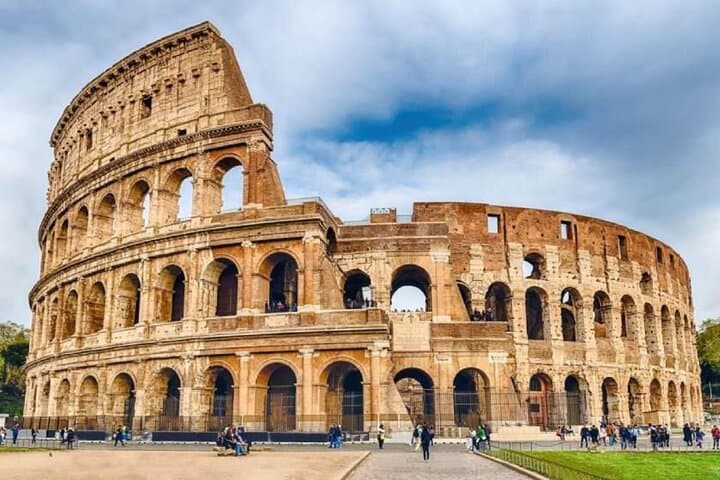
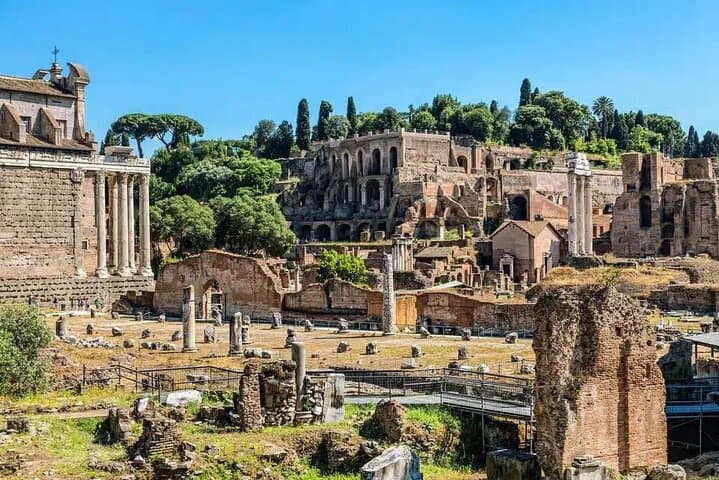
Built between AD 70–80 under emperors Vespasian and Titus, the Colosseum sits on a complex of travertine blocks, tufa and Roman concrete that reflect Rome’s engineering. The amphitheater’s layered architecture—subterranean cages, arena floor, multi-tiered seating—speaks to civic spectacle and imperial power. Nearby, the Roman Forum and Palatine Hill concentrate layers of politics, religion and domestic life where emperors shaped the city.
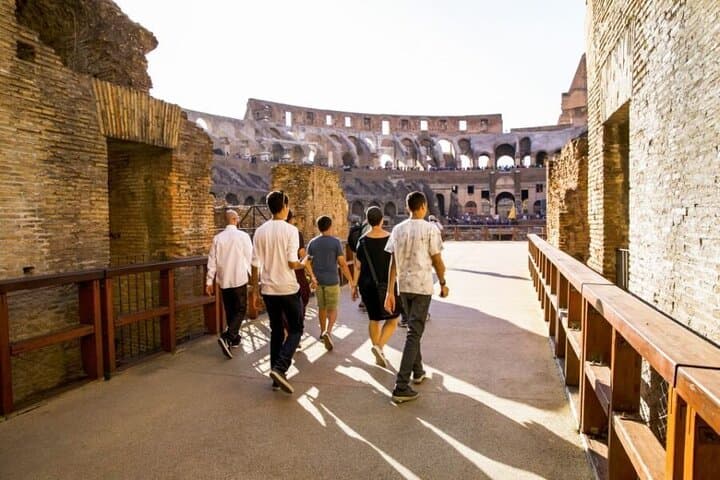
Expect uneven ancient stone, narrow stairways and sudden elevation changes as you move from hypogeum to arena floor and then to the first and second levels for panoramic sightlines across the amphitheater.
Practical guidance: arrive 20–30 minutes early for security checks and mobile ticket validation; large bags are restricted. Wear sturdy, flat-soled shoes—ancient steps are irregular and can be slippery when wet. Photography is allowed but be respectful of other visitors and follow your guide’s boundaries in restricted areas. The self-guided portion of Palatine and the Forum rewards slow walking—bring water and wear breathable layers; shade is limited.
This tour blends immersive history with practical logistics: it’s part archaeology lecture, part motion through living stone, and a reminder that Rome’s past remains underfoot—literal, tactile and immediate.
easy.
1.5–3 hours.
Suitable for most fitness levels; involves walking on uneven ancient stone, steps and standing during guided segments
No, the Colosseum’s underground hypogeum and Arena floor include stairs and narrow passages and are not wheelchair accessible; the site has limited accessible routes—check official site services in advance.
Yes, photography for personal use is allowed in most areas, but follow your guide’s instructions in restricted zones and avoid using tripods or large equipment without permission.
The guided underground and arena portion is about 90 minutes, with additional self-guided access to the Palatine and Forum that can extend your visit to up to three hours or more.
Large backpacks and bulky luggage may be refused at entry; use a small daypack and leave non-essential items at your accommodation or a storage facility.
Constructed under emperors Vespasian and Titus in the late 1st century AD, the Colosseum hosted gladiatorial games, animal hunts and public spectacles central to Roman civic life.
Ongoing restoration work balances visitor access with preservation—stay on marked paths and respect barriers to limit wear on fragile masonry.
PHOENIX operates guided outdoor trips and adventures with an emphasis on safety, stewardship, and memorable experiences.
You step through a modern metal gate and the city noise thins to the hollow pulse of stone—cool, shadowed corridors that once held gladiators and exotic beasts. The guide leads you down into the Colosseum’s underground, where timber tracks, chambers and the ghost of hooves outline an unseen logistics system; sunlight from the Arena above slices through openings, giving depth to the ruins.
You step through a modern metal gate and the city noise thins to the hollow pulse of stone—cool, shadowed corridors that once held gladiators and exotic beasts. The guide leads you down into the Colosseum’s underground, where timber tracks, chambers and the ghost of hooves outline an unseen logistics system; sunlight from the Arena above slices through openings, giving depth to the ruins.
Built between AD 70–80 under emperors Vespasian and Titus, the Colosseum sits on a complex of travertine blocks, tufa and Roman concrete that reflect Rome’s engineering. The amphitheater’s layered architecture—subterranean cages, arena floor, multi-tiered seating—speaks to civic spectacle and imperial power. Nearby, the Roman Forum and Palatine Hill concentrate layers of politics, religion and domestic life where emperors shaped the city.
Expect uneven ancient stone, narrow stairways and sudden elevation changes as you move from hypogeum to arena floor and then to the first and second levels for panoramic sightlines across the amphitheater.
Practical guidance: arrive 20–30 minutes early for security checks and mobile ticket validation; large bags are restricted. Wear sturdy, flat-soled shoes—ancient steps are irregular and can be slippery when wet. Photography is allowed but be respectful of other visitors and follow your guide’s boundaries in restricted areas. The self-guided portion of Palatine and the Forum rewards slow walking—bring water and wear breathable layers; shade is limited.
This tour blends immersive history with practical logistics: it’s part archaeology lecture, part motion through living stone, and a reminder that Rome’s past remains underfoot—literal, tactile and immediate.