THE ADVENTURE COLLECTIVE® · Independent discovery and booking for outdoor travel

Explore the Colosseum arena, Palatine Hill and the Via Sacra on a focused three-hour guided walk that combines architectural detail, imperial stories and practical logistics. Ideal for first-time visitors who want skip-the-line access and expert context.
Explore the Colosseum arena, Palatine Hill and the Via Sacra on a focused three-hour guided walk that combines architectural detail, imperial stories and practical logistics. Ideal for first-time visitors who want skip-the-line access and expert context.
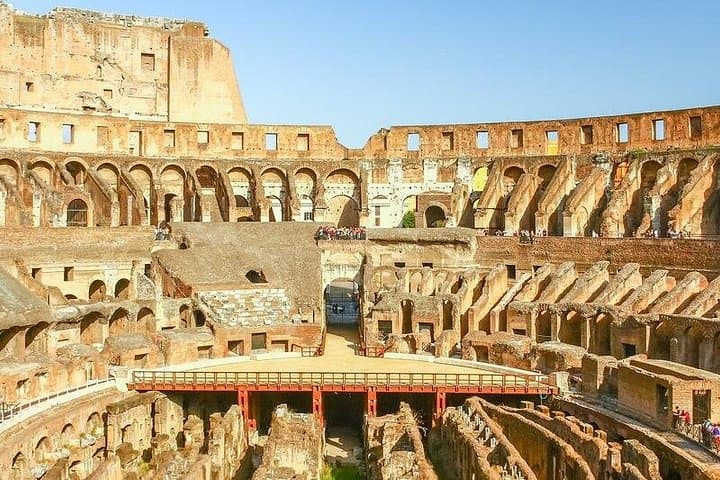
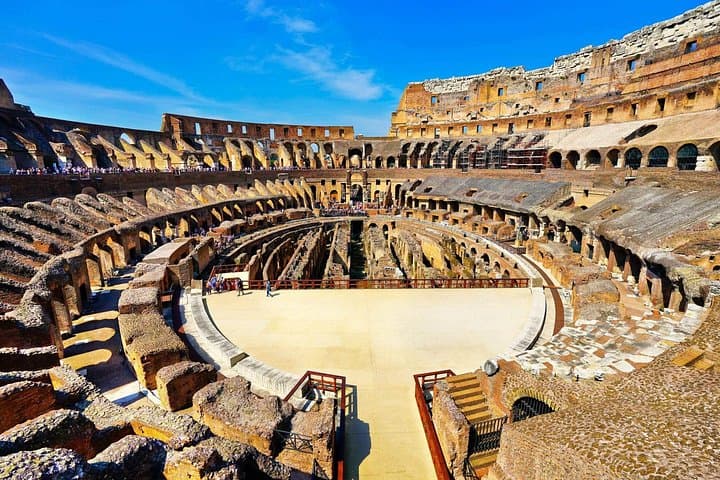
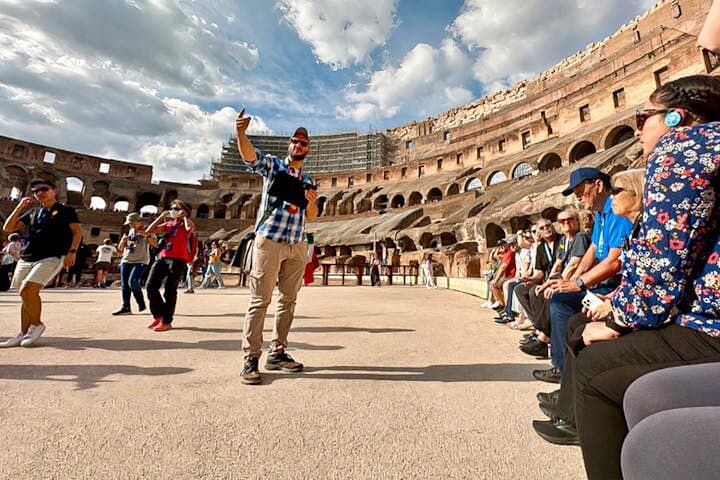
You step down from the modern pavement and into a space that still holds the cadence of a crowd: the Colosseum arena floor, where the earth has been pressed by history and the stones keep the echo of performance. Light falls into the amphitheater bowl and the guide gestures toward the arena opening — this three-hour walk stitches together gladiatorial drama, imperial architecture and the slow archaeology of a city grown upward from volcanic tuff and travertine.
Verified experiences and guided adventures in the surrounding area.
Operated by TRIP ROMA SERVICE AGENCY · Rome, Lazio
You step down from the modern pavement and into a space that still holds the cadence of a crowd: the Colosseum arena floor, where the earth has been pressed by history and the stones keep the echo of performance. Light falls into the amphitheater bowl and the guide gestures toward the arena opening — this three-hour walk stitches together gladiatorial drama, imperial architecture and the slow archaeology of a city grown upward from volcanic tuff and travertine.
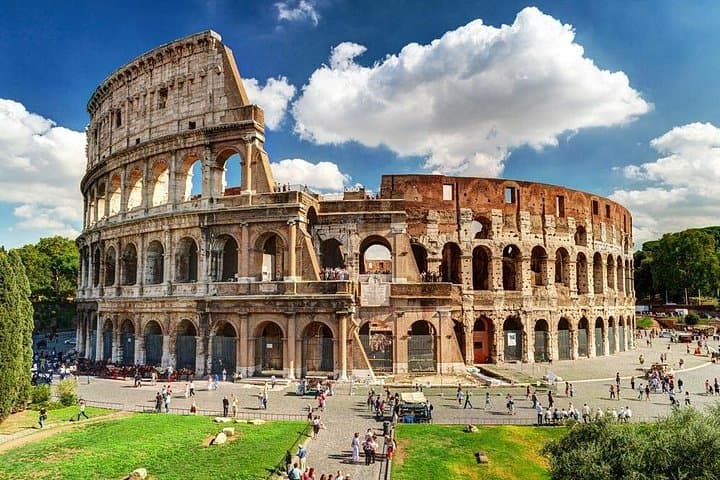
Built in AD 72–80, the Colosseum is the largest surviving Roman amphitheater; close by, the Palatine Hill preserves the remains of imperial palaces and the myths that claimed Romulus’ founding. The Via Sacra cuts through the Roman Forum, once the civic heartbeat where ceremonies, markets and politics collided. You’ll pass triumphal arches, the Curia and rostra while hearing how marble, brick and concrete were used to shape power.
Expect compact, interpretive storytelling: guides unpack social customs, construction techniques and the symbolism carved into reliefs. Archaeology here is vertical — layers of occupation visible in a single walk.
Practical guidance: the tour runs about three hours with minimal elevation but lots of standing and uneven stone underfoot. Bring a filled water bottle, supportive shoes and a photo ID matching your booking. Security checks and bag restrictions are enforced; keep group timing in mind since entry windows are strict. Morning slots are cooler and less crowded; late-afternoon light is best for photos. The visit balances sensory immediacy with concrete context — you’ll leave with specific scenes and the historical thread that links them.
easy.
3 hours.
Suitable for most fitness levels — involves standing, walking on uneven ancient stone and some staircases.
The tour includes pre-booked Colosseum and Forum entry tickets that reduce waiting time, though guests still pass through mandatory security checks.
Parts of the sites involve stairs and uneven surfaces; mobility limitations should be discussed with the operator in advance to confirm access options.
Every traveler must present the same valid passport or photo ID used when booking to enter the Colosseum and Forum.
Large bags are often restricted at archaeological sites and may be refused at security; compact daypacks are recommended and tripods are generally not allowed.
The Colosseum opened in AD 80 and sat at the center of public spectacles; the Palatine Hill contains layers of imperial residences tied to Rome's early and imperial phases.
High visitor numbers accelerate wear on ancient stone—follow marked paths, avoid touching fragile surfaces and support preservation by using official ticketing and guided services.
TRIP ROMA SERVICE AGENCY operates guided outdoor trips and adventures with an emphasis on safety, stewardship, and memorable experiences.
You step down from the modern pavement and into a space that still holds the cadence of a crowd: the Colosseum arena floor, where the earth has been pressed by history and the stones keep the echo of performance. Light falls into the amphitheater bowl and the guide gestures toward the arena opening — this three-hour walk stitches together gladiatorial drama, imperial architecture and the slow archaeology of a city grown upward from volcanic tuff and travertine.
You step down from the modern pavement and into a space that still holds the cadence of a crowd: the Colosseum arena floor, where the earth has been pressed by history and the stones keep the echo of performance. Light falls into the amphitheater bowl and the guide gestures toward the arena opening — this three-hour walk stitches together gladiatorial drama, imperial architecture and the slow archaeology of a city grown upward from volcanic tuff and travertine.
Built in AD 72–80, the Colosseum is the largest surviving Roman amphitheater; close by, the Palatine Hill preserves the remains of imperial palaces and the myths that claimed Romulus’ founding. The Via Sacra cuts through the Roman Forum, once the civic heartbeat where ceremonies, markets and politics collided. You’ll pass triumphal arches, the Curia and rostra while hearing how marble, brick and concrete were used to shape power.
Expect compact, interpretive storytelling: guides unpack social customs, construction techniques and the symbolism carved into reliefs. Archaeology here is vertical — layers of occupation visible in a single walk.
Practical guidance: the tour runs about three hours with minimal elevation but lots of standing and uneven stone underfoot. Bring a filled water bottle, supportive shoes and a photo ID matching your booking. Security checks and bag restrictions are enforced; keep group timing in mind since entry windows are strict. Morning slots are cooler and less crowded; late-afternoon light is best for photos. The visit balances sensory immediacy with concrete context — you’ll leave with specific scenes and the historical thread that links them.