THE ADVENTURE COLLECTIVE® · Independent discovery and booking for outdoor travel

Stand where gladiators fought and then wander the political heart of the Roman Empire. This short-access tour pairs exclusive arena-floor entry with independent exploration of the Roman Forum and Palatine Hill.
Stand where gladiators fought and then wander the political heart of the Roman Empire. This short-access tour pairs exclusive arena-floor entry with independent exploration of the Roman Forum and Palatine Hill.
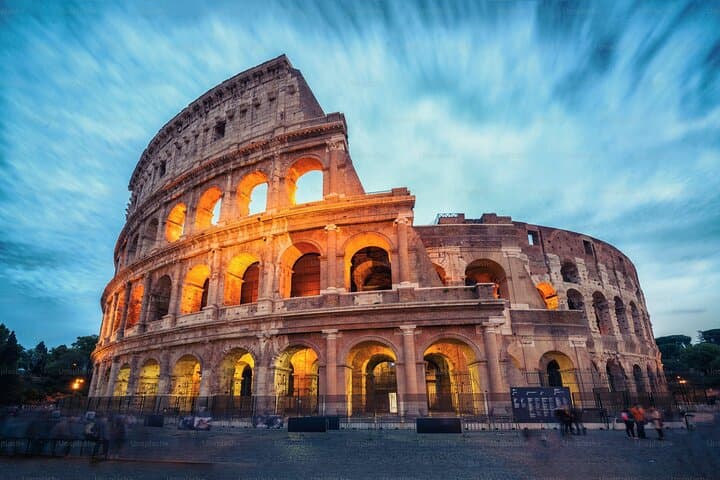
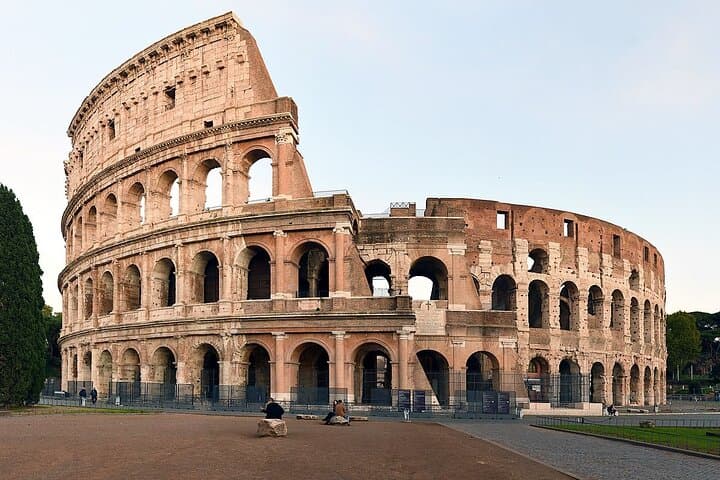
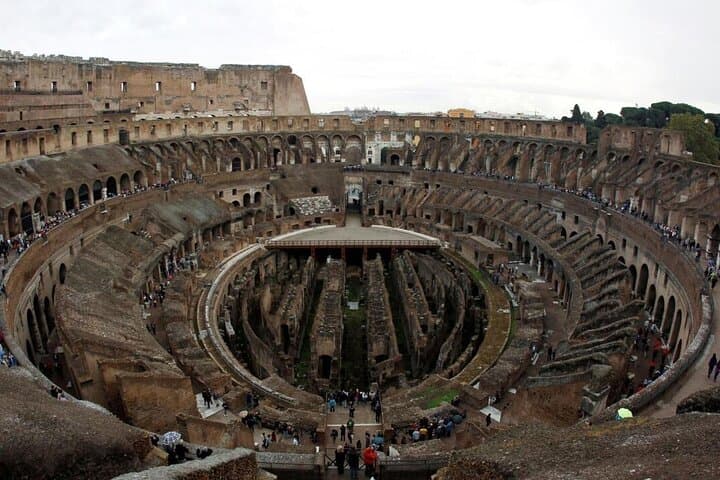
You step through the ticket gate and the city’s noise thins—stone and shadow rise, and the Colosseum’s inner ring slopes away beneath your feet. Standing on the arena floor, the structure seems to breathe: tiers that once held 50,000 spectators curve above you, columns and arches casting long, disciplined shadows.
Verified experiences and guided adventures in the surrounding area.
Operated by Great Travel Experience · Rome, Lazio
You step through the ticket gate and the city’s noise thins—stone and shadow rise, and the Colosseum’s inner ring slopes away beneath your feet. Standing on the arena floor, the structure seems to breathe: tiers that once held 50,000 spectators curve above you, columns and arches casting long, disciplined shadows.
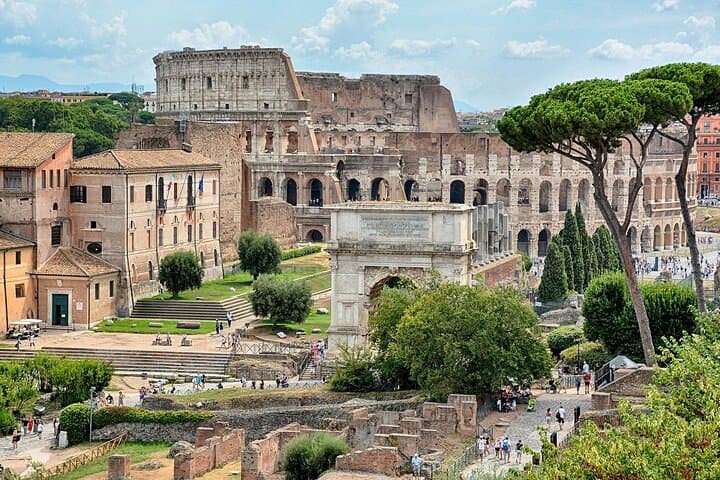
The Colosseum began under Vespasian (AD 72) and was completed by Titus; its concrete vaults and travertine facade mark an engineering shift that reshaped Rome. Nearby, the Roman Forum stretches like an open-air atlas of civic life—temples, basilicas, and triumphal arches laid out across millennia of politics, religion, and daily commerce. Palatine Hill overlooks both, a blend of volcanic tuff and ancient gardens that reveals why Rome grew where it did.
Culture in this compact zone is tactile: Latin inscriptions underfoot, layered repairs from medieval to modern eras, and vendors selling guidebooks in multiple languages. Local insight: early morning access reduces queues and gives clearer sightlines for photos; midday brings heat and thicker crowds. Expect security screening, a mobile ticket to present, and an audio guide app for context as you wander.
Practical guidance: wear closed, grippy shoes for uneven flagstones, carry water, and leave large backpacks at your hotel—bags may be restricted. Allow 60–90 minutes to move between sites at a measured pace. Photography is permitted but respect cordons and staff instructions. This tour blends vivid presence on the arena floor with independent exploration of Rome’s foundational ruins—an efficient, sensory way to read the city’s layered history.
easy.
1–1.5 hours.
Suitable for average fitness; requires walking on uneven ground and climbing short stair sections.
Yes—this ticket includes access to the Colosseum arena floor, which is a restricted area on standard tickets, allowing a closer sense of the scale.
Parts of the Colosseum and Forum have limited accessibility due to ancient terrain; contact site staff ahead to arrange assistance and confirm accessible routes.
Large bags and tripods are often restricted; carry a small daypack and check specific bag rules before you arrive.
This experience offers an audio guide app and independent exploration—there isn’t a live guide included, so the app and posted signage provide context.
The Colosseum was begun under Emperor Vespasian around AD 72 and completed under Titus; the Roman Forum served as the civic, religious and commercial heart of the Republic and Empire.
Heavy visitation accelerates wear on ancient stone—follow barriers and avoid touching fragile surfaces. Support preservation by disposing of waste responsibly and using official pathways.
Great Travel Experience operates guided outdoor trips and adventures with an emphasis on safety, stewardship, and memorable experiences.
You step through the ticket gate and the city’s noise thins—stone and shadow rise, and the Colosseum’s inner ring slopes away beneath your feet. Standing on the arena floor, the structure seems to breathe: tiers that once held 50,000 spectators curve above you, columns and arches casting long, disciplined shadows.
You step through the ticket gate and the city’s noise thins—stone and shadow rise, and the Colosseum’s inner ring slopes away beneath your feet. Standing on the arena floor, the structure seems to breathe: tiers that once held 50,000 spectators curve above you, columns and arches casting long, disciplined shadows.
The Colosseum began under Vespasian (AD 72) and was completed by Titus; its concrete vaults and travertine facade mark an engineering shift that reshaped Rome. Nearby, the Roman Forum stretches like an open-air atlas of civic life—temples, basilicas, and triumphal arches laid out across millennia of politics, religion, and daily commerce. Palatine Hill overlooks both, a blend of volcanic tuff and ancient gardens that reveals why Rome grew where it did.
Culture in this compact zone is tactile: Latin inscriptions underfoot, layered repairs from medieval to modern eras, and vendors selling guidebooks in multiple languages. Local insight: early morning access reduces queues and gives clearer sightlines for photos; midday brings heat and thicker crowds. Expect security screening, a mobile ticket to present, and an audio guide app for context as you wander.
Practical guidance: wear closed, grippy shoes for uneven flagstones, carry water, and leave large backpacks at your hotel—bags may be restricted. Allow 60–90 minutes to move between sites at a measured pace. Photography is permitted but respect cordons and staff instructions. This tour blends vivid presence on the arena floor with independent exploration of Rome’s foundational ruins—an efficient, sensory way to read the city’s layered history.