THE ADVENTURE COLLECTIVE® · Independent discovery and booking for outdoor travel

Explore the Colosseum’s Arena floor and roam the Roman Forum and Palatine Hill with a guided tour that combines skip-the-line access and on-site expertise. Perfect for history lovers who want architecture, politics and imperial stories delivered in a compact, 2–2.5 hour visit.
Explore the Colosseum’s Arena floor and roam the Roman Forum and Palatine Hill with a guided tour that combines skip-the-line access and on-site expertise. Perfect for history lovers who want architecture, politics and imperial stories delivered in a compact, 2–2.5 hour visit.
You step through the ticket arch and the city’s stones take over the story: the Colosseum’s vaulted ribs rise like the jaw of an ancient engine, sunlight slicing through tiers where fifty thousand voices once pooled. The guide’s voice threads architecture and anecdote as you descend the Gladiator’s entrance to the Arena floor—where sand still remembers the rhythm of combat—and glance toward the Forum, a low-lying maze of columns and worn steps that once directed Rome’s public life.
Verified experiences and guided adventures in the surrounding area.
Operated by Italy Wonders SRLS · Rome, Lazio
You step through the ticket arch and the city’s stones take over the story: the Colosseum’s vaulted ribs rise like the jaw of an ancient engine, sunlight slicing through tiers where fifty thousand voices once pooled. The guide’s voice threads architecture and anecdote as you descend the Gladiator’s entrance to the Arena floor—where sand still remembers the rhythm of combat—and glance toward the Forum, a low-lying maze of columns and worn steps that once directed Rome’s public life.
These ruins are both engineered and eroded: Roman concrete and arches that redefined load-bearing construction, volcanic tuff quarried from nearby Apennines, and layers of marble repurposed across centuries. Palatine Hill, sitting above the Forum, holds imperial footprints—Augustus reshaped the hill into an address for power, while later gardeners and archeologists reopened views of the city.
Practically: tours run about 2.5 hours (often shortened to 2 hours in peak heat); tickets include arena access and often skip-the-line entry. All visitors pass metal detectors—IDs must match booking names exactly—so bring passports. Expect cobbles, steps, and uneven surfaces; there’s minimal shade on the Arena and Forum, so plan for sun, water, and a steady pace.
Local tips: arrive 15 minutes early to check in, download any required audio app before you go, and limit luggage—large bags are forbidden. A guided visit brings context to columns and inscriptions; it also saves time in lines, helping you move from the Colosseum’s stone amphitheater to the Palatine’s terraces and the Forum’s political avenues with clear narrative and efficient routing.
easy.
2–2.5 hours.
Minimal fitness required—able to stand and walk for a couple of hours and climb stairs comfortably.
The standard guided tour is about 2.5 hours; in July and August visits are typically shortened to 2 hours due to heat.
Yes—every participant must present a valid ID or passport that exactly matches the booking name, or entry may be denied.
Entrance tickets to the Colosseum included with this tour are non-changeable and non-refundable under the provider’s policy.
No—big backpacks and large bags are not allowed through Colosseum security; expect bottle checks and a metal detector screening.
The Colosseum, completed under Emperor Titus around AD 80, used concrete, arches and a complex system of elevators to stage public spectacles; the Forum was Rome’s civic heart for centuries.
High visitor numbers and urban pollution stress ancient stone; stick to paths, avoid touching delicate surfaces, and support conservation by using licensed guides and following site rules.
Italy Wonders SRLS operates guided outdoor trips and adventures with an emphasis on safety, stewardship, and memorable experiences.
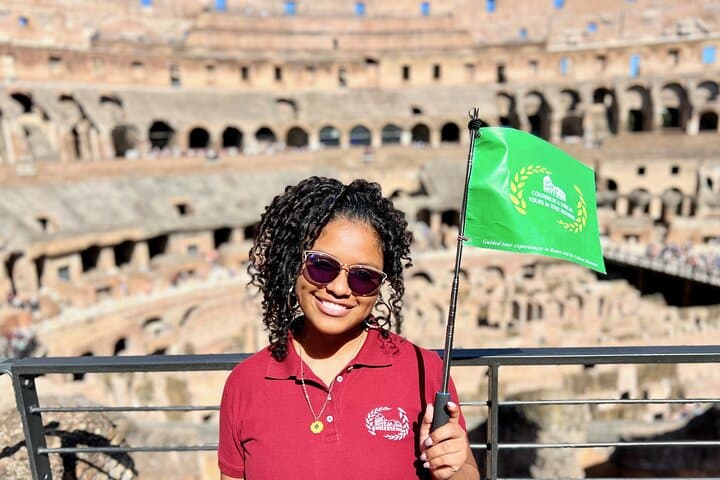
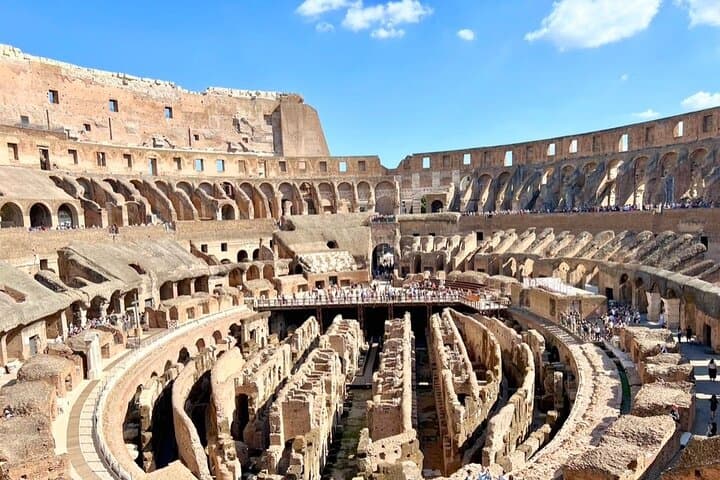
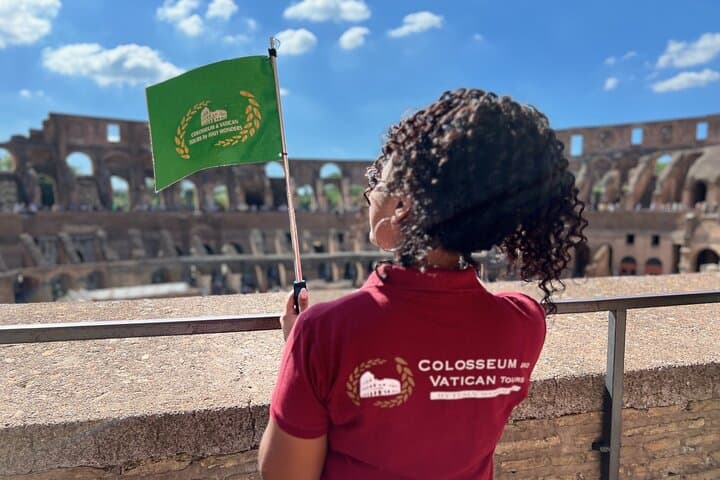
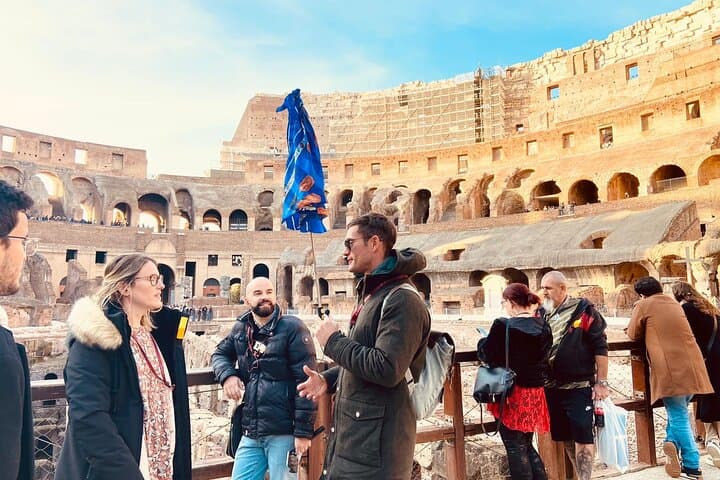
You step through the ticket arch and the city’s stones take over the story: the Colosseum’s vaulted ribs rise like the jaw of an ancient engine, sunlight slicing through tiers where fifty thousand voices once pooled. The guide’s voice threads architecture and anecdote as you descend the Gladiator’s entrance to the Arena floor—where sand still remembers the rhythm of combat—and glance toward the Forum, a low-lying maze of columns and worn steps that once directed Rome’s public life.
You step through the ticket arch and the city’s stones take over the story: the Colosseum’s vaulted ribs rise like the jaw of an ancient engine, sunlight slicing through tiers where fifty thousand voices once pooled. The guide’s voice threads architecture and anecdote as you descend the Gladiator’s entrance to the Arena floor—where sand still remembers the rhythm of combat—and glance toward the Forum, a low-lying maze of columns and worn steps that once directed Rome’s public life.
These ruins are both engineered and eroded: Roman concrete and arches that redefined load-bearing construction, volcanic tuff quarried from nearby Apennines, and layers of marble repurposed across centuries. Palatine Hill, sitting above the Forum, holds imperial footprints—Augustus reshaped the hill into an address for power, while later gardeners and archeologists reopened views of the city.
Practically: tours run about 2.5 hours (often shortened to 2 hours in peak heat); tickets include arena access and often skip-the-line entry. All visitors pass metal detectors—IDs must match booking names exactly—so bring passports. Expect cobbles, steps, and uneven surfaces; there’s minimal shade on the Arena and Forum, so plan for sun, water, and a steady pace.
Local tips: arrive 15 minutes early to check in, download any required audio app before you go, and limit luggage—large bags are forbidden. A guided visit brings context to columns and inscriptions; it also saves time in lines, helping you move from the Colosseum’s stone amphitheater to the Palatine’s terraces and the Forum’s political avenues with clear narrative and efficient routing.