THE ADVENTURE COLLECTIVE® · Independent discovery and booking for outdoor travel

Explore Tegucigalpa’s colonial core on a five-hour private tour that mixes cathedral plazas, barrio churches, and a climb to El Picacho’s Cristo monument. Expect cobbled streets, museum stops, and practical tips for heat, altitude and timing.
Explore Tegucigalpa’s colonial core on a five-hour private tour that mixes cathedral plazas, barrio churches, and a climb to El Picacho’s Cristo monument. Expect cobbled streets, museum stops, and practical tips for heat, altitude and timing.
The walk begins at a sun-warmed plaza where colonial stone keeps its cool and the city’s hills frame the skyline like watchful guardians. You move from narrow streets that slope toward the old cathedral into wider avenues where modern traffic pushes and historical façades stand their ground.
Verified experiences and guided adventures in the surrounding area.
Operated by Honduras Traveling · Tegucigalpa, Francisco Morazán
The walk begins at a sun-warmed plaza where colonial stone keeps its cool and the city’s hills frame the skyline like watchful guardians. You move from narrow streets that slope toward the old cathedral into wider avenues where modern traffic pushes and historical façades stand their ground.
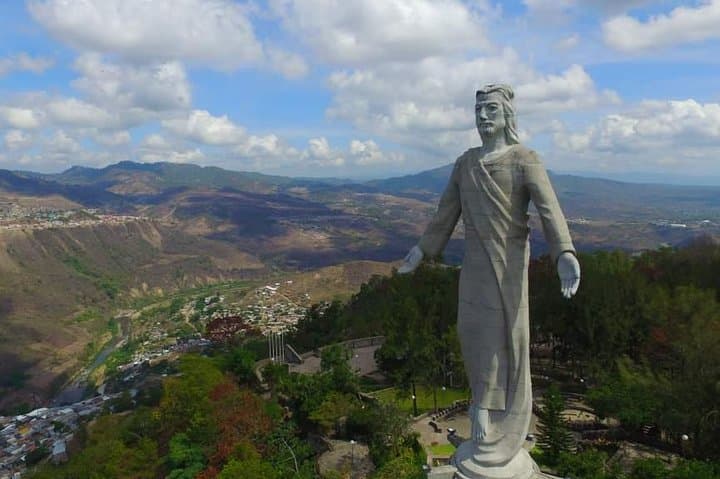
Tegucigalpa grew from a 16th-century mining settlement into Honduras’s capital in 1880; its streets refuse the neat Spanish grid and instead follow ridge lines and ravines carved by time. Geology matters here: volcanic and metamorphic bedrock underlies the city, and the terrain rises quickly to El Picacho, where the Cristo monument punctuates the skyline at about 1,327 meters.
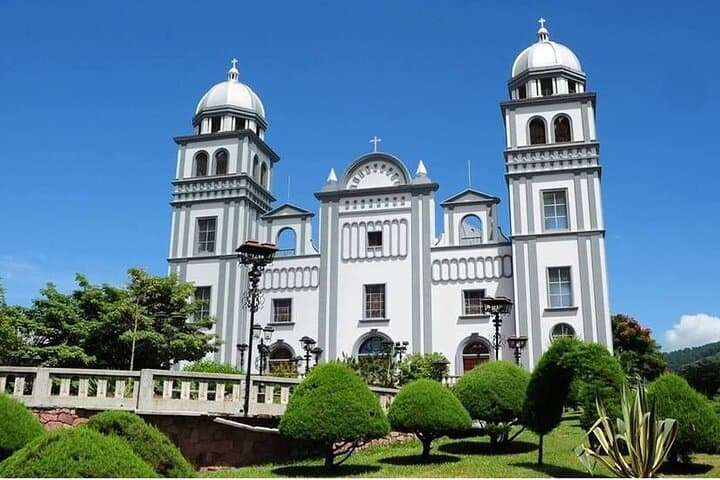
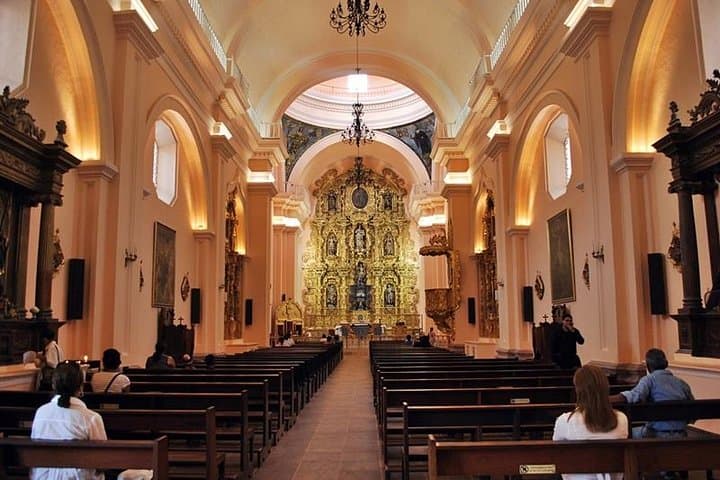
Culture shows in plastered colonial churches, the Manuel Bonilla National Theater, and the National Museum (MIN), where artifacts map indigenous life and colonial commerce. Local rhythms—market calls, the clack of café cups, and vendors arranging produce—give texture to the tour.
Practical guidance: expect 5 hours on a private, mostly easy walking itinerary with short vehicle hops; comfortable, grippy shoes handle cobbles and uneven sidewalks. Carry water—bottled water is typically provided—and a sun layer for midday exposure. If you plan the climb to El Picacho, prepare for a steady ascent and cooler wind at the summit.
Best times are morning or late afternoon to avoid peak heat and to catch softer light on stonework. Bring local currency for small purchases, and allow time to linger in plazas and museums—the city rewards patience.
easy.
5 hours.
Suitable for travelers who can walk 2–4 miles on varied pavement and handle short stair climbs; minimal sustained fitness required.
The private tour runs about 5 hours and includes walking between sites plus a vehicle ride to El Picacho and some museum visits.
Yes; the pace is moderate with optional vehicle transfers for less mobile travelers, but some sites have steps and uneven surfaces.
The itinerary notes El Picacho Museum and National Museum admissions are included—confirm details at booking for any additional sites.
Local guides commonly speak Spanish and often English; check the booking or request language needs at reservation time.
Founded as a mining settlement in 1578, Tegucigalpa became the national capital in 1880 and retains layered colonial and republican-era architecture reflecting its mercantile past.
El Picacho National Park protects montane forest patches and watersheds; visitors should stay on trails and avoid single-use plastics to reduce impact.
Honduras Traveling operates guided outdoor trips and adventures with an emphasis on safety, stewardship, and memorable experiences.
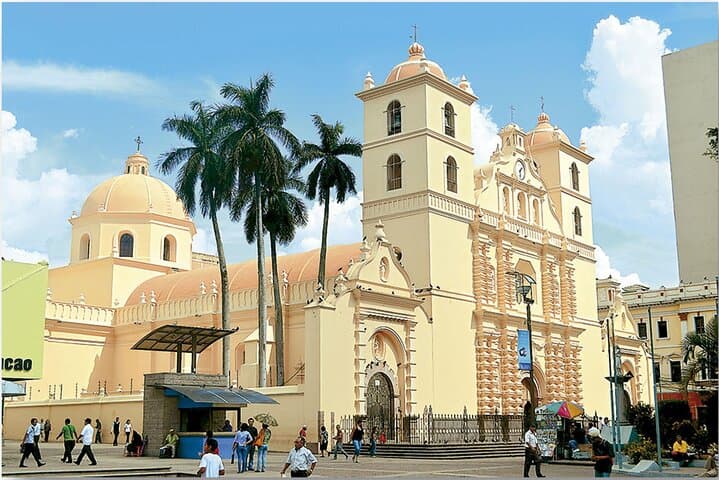
The walk begins at a sun-warmed plaza where colonial stone keeps its cool and the city’s hills frame the skyline like watchful guardians. You move from narrow streets that slope toward the old cathedral into wider avenues where modern traffic pushes and historical façades stand their ground.
The walk begins at a sun-warmed plaza where colonial stone keeps its cool and the city’s hills frame the skyline like watchful guardians. You move from narrow streets that slope toward the old cathedral into wider avenues where modern traffic pushes and historical façades stand their ground.
Tegucigalpa grew from a 16th-century mining settlement into Honduras’s capital in 1880; its streets refuse the neat Spanish grid and instead follow ridge lines and ravines carved by time. Geology matters here: volcanic and metamorphic bedrock underlies the city, and the terrain rises quickly to El Picacho, where the Cristo monument punctuates the skyline at about 1,327 meters.
Culture shows in plastered colonial churches, the Manuel Bonilla National Theater, and the National Museum (MIN), where artifacts map indigenous life and colonial commerce. Local rhythms—market calls, the clack of café cups, and vendors arranging produce—give texture to the tour.
Practical guidance: expect 5 hours on a private, mostly easy walking itinerary with short vehicle hops; comfortable, grippy shoes handle cobbles and uneven sidewalks. Carry water—bottled water is typically provided—and a sun layer for midday exposure. If you plan the climb to El Picacho, prepare for a steady ascent and cooler wind at the summit.
Best times are morning or late afternoon to avoid peak heat and to catch softer light on stonework. Bring local currency for small purchases, and allow time to linger in plazas and museums—the city rewards patience.