THE ADVENTURE COLLECTIVE® · Independent discovery and booking for outdoor travel

A multi‑day route from Delhi to the Himalayan foothills, The Colonial North India tour pairs Mughal monuments and Le Corbusier’s modernism with hill station charm. Expect long drives, layered weather and a mix of guided sightseeing and independent exploration.
A multi‑day route from Delhi to the Himalayan foothills, The Colonial North India tour pairs Mughal monuments and Le Corbusier’s modernism with hill station charm. Expect long drives, layered weather and a mix of guided sightseeing and independent exploration.
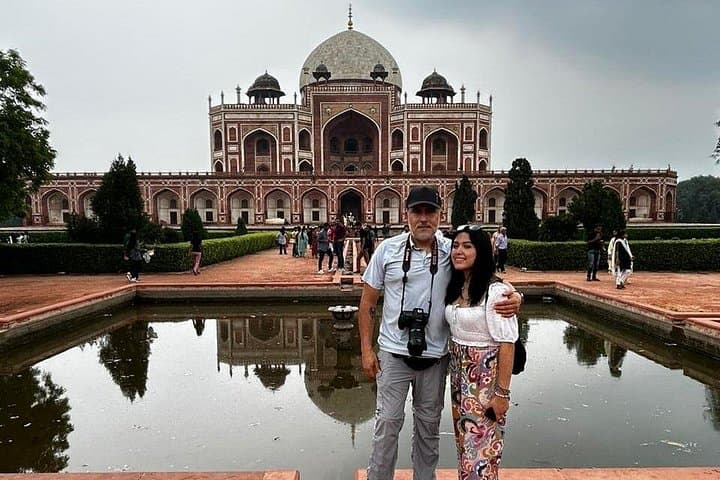
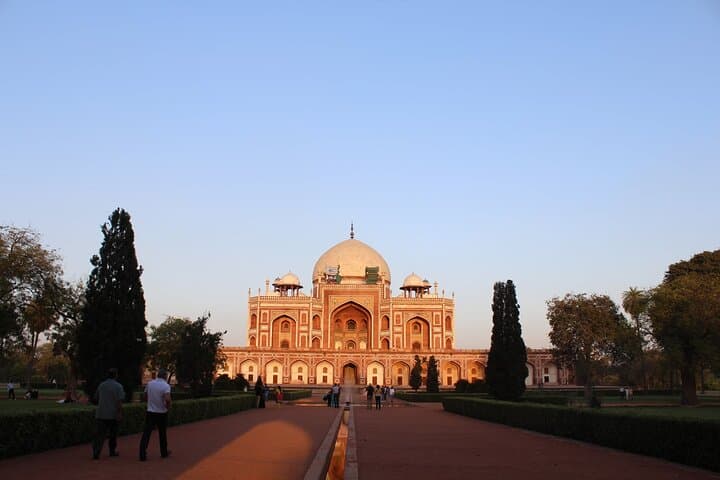
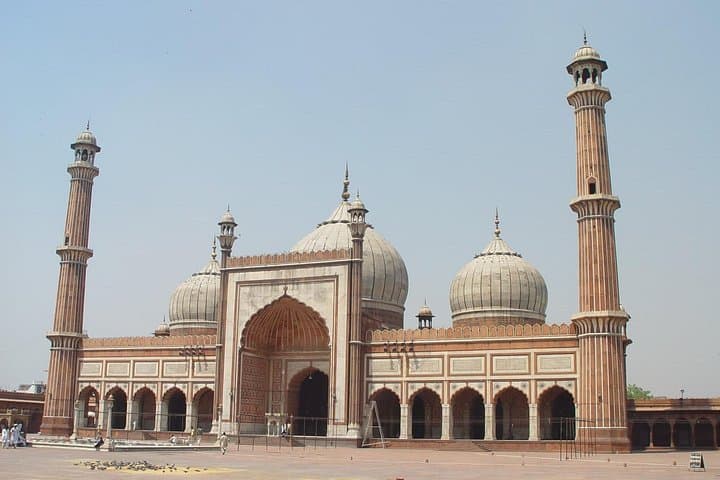
The first light of morning in Old Delhi throws long shadows across red sandstone ramparts as rickshaws hum like insects through Chandni Chowk. Travellers on The Colonial North India tour move from the frenetic energy of the capital to quieter hill stations where pines lean into the breeze and mountain air demands a slow, deep breath.
Verified experiences and guided adventures in the surrounding area.
Operated by Agora Voyages Pvt. Ltd. · New Delhi, Delhi
The first light of morning in Old Delhi throws long shadows across red sandstone ramparts as rickshaws hum like insects through Chandni Chowk. Travellers on The Colonial North India tour move from the frenetic energy of the capital to quieter hill stations where pines lean into the breeze and mountain air demands a slow, deep breath.
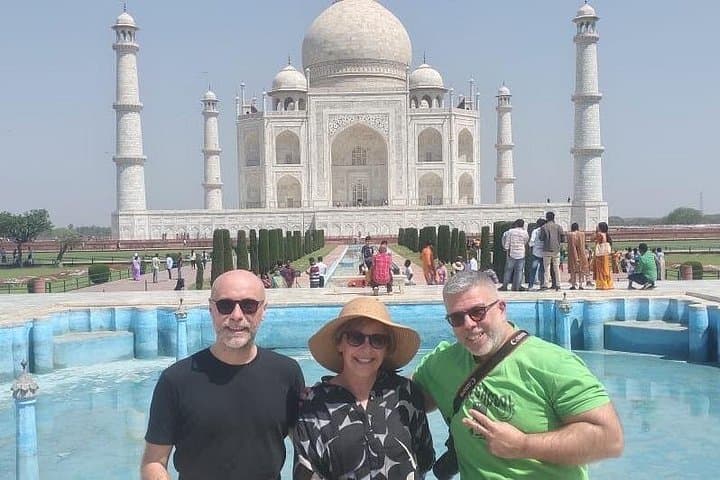
This route stitches together Mughal monuments, British-era hill retreats and post‑independence city planning. In Agra the Taj Mahal speaks to Mughal craftsmanship in pristine marble; Chandigarh shows Le Corbusier’s grid and open green lungs; Shimla and Mussoorie reveal colonial architecture, toy‑train grades and high‑altitude meadows once favored for summer governance. Geology changes visibly: alluvial plains give way to foothill schists and the folded limbs of the Lesser Himalaya that frame valley views. Local culture alternates bazaars and spice stalls with craft markets selling carved wood and woolens.
Expect a blend of guided sightseeing and drive days—long transfers are part of the geography here. Pack for layered weather, carry photocopies of important documents, and plan daylight travel on mountain roads. Respect religious sites with modest dress and remove shoes where required. Hydrate on drives; mountain air can be drying and mornings cool even when lower elevations are warm.
This is a travel experience that balances history, landscape and practical logistics: wide avenues and narrow lanes, rivers that dare you to keep moving upstream, and evenings when old wooden facades take on the color of last light. Touring here rewards patience, curiosity and sensible planning.
easy.
10–11 days.
Suitable for travellers in average fitness—mostly walking at sites and short uphill strolls; not strenuous.
The itinerary runs about 10–11 days with several full‑day drives; sightseeing days include guided tours and free time on the Mall areas.
The program indicates travel on the narrow‑gauge Kalka–Shimla route as part of the transfer—confirm seat reservations at booking.
Breakfast is included on most days; other meals depend on your booking option and local choices during free time.
These towns sit around 2,000–2,300 m; altitude effects are usually mild but hydrate and avoid sudden exertion if you feel unwell.
The route connects Mughal-era Agra with British hill stations that served as summer capitals; Chandigarh was a post-independence experiment in modern urban planning by Le Corbusier.
Hill stations face pressure from tourism-driven waste and water demand; choose local guides, avoid single-use plastics and use water sparingly in mountain hotels.
Agora Voyages Pvt. Ltd. operates guided outdoor trips and adventures with an emphasis on safety, stewardship, and memorable experiences.
The first light of morning in Old Delhi throws long shadows across red sandstone ramparts as rickshaws hum like insects through Chandni Chowk. Travellers on The Colonial North India tour move from the frenetic energy of the capital to quieter hill stations where pines lean into the breeze and mountain air demands a slow, deep breath.
The first light of morning in Old Delhi throws long shadows across red sandstone ramparts as rickshaws hum like insects through Chandni Chowk. Travellers on The Colonial North India tour move from the frenetic energy of the capital to quieter hill stations where pines lean into the breeze and mountain air demands a slow, deep breath.
This route stitches together Mughal monuments, British-era hill retreats and post‑independence city planning. In Agra the Taj Mahal speaks to Mughal craftsmanship in pristine marble; Chandigarh shows Le Corbusier’s grid and open green lungs; Shimla and Mussoorie reveal colonial architecture, toy‑train grades and high‑altitude meadows once favored for summer governance. Geology changes visibly: alluvial plains give way to foothill schists and the folded limbs of the Lesser Himalaya that frame valley views. Local culture alternates bazaars and spice stalls with craft markets selling carved wood and woolens.
Expect a blend of guided sightseeing and drive days—long transfers are part of the geography here. Pack for layered weather, carry photocopies of important documents, and plan daylight travel on mountain roads. Respect religious sites with modest dress and remove shoes where required. Hydrate on drives; mountain air can be drying and mornings cool even when lower elevations are warm.
This is a travel experience that balances history, landscape and practical logistics: wide avenues and narrow lanes, rivers that dare you to keep moving upstream, and evenings when old wooden facades take on the color of last light. Touring here rewards patience, curiosity and sensible planning.