THE ADVENTURE COLLECTIVE® · Independent discovery and booking for outdoor travel

Walk the Slave Route in Santo Domingo to follow the city’s sugar-and-rum history across markets, murals and ruins. This six-to-seven hour tour pairs tangible sites with expert local context.
Walk the Slave Route in Santo Domingo to follow the city’s sugar-and-rum history across markets, murals and ruins. This six-to-seven hour tour pairs tangible sites with expert local context.
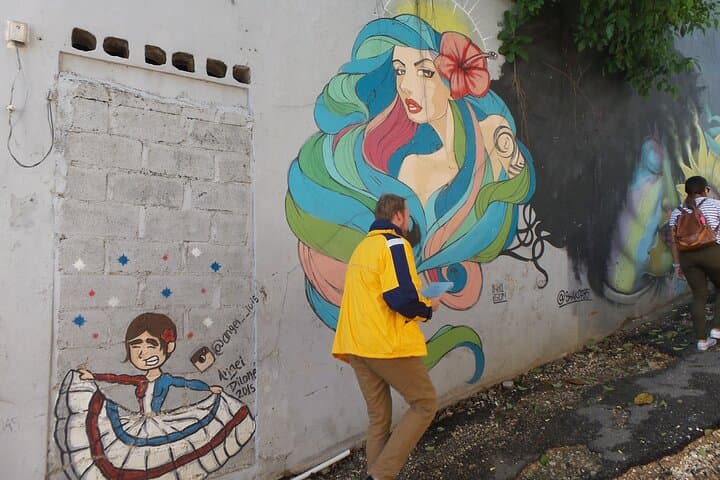
You step off the air-conditioned van into the heat of Santo Domingo’s Colonial Zone, where worn cobbles still hold the echoes of ships and sugar. The street hums with vendors and the distant slap of Caribbean waves; a guide folds history into the corners of plazas as you move from murals in Barrio Santa Bárbara to the weathered stone of an old sugar factory.
Verified experiences and guided adventures in the surrounding area.
Operated by Dom Rep Tours · Santo Domingo, Distrito Nacional
You step off the air-conditioned van into the heat of Santo Domingo’s Colonial Zone, where worn cobbles still hold the echoes of ships and sugar. The street hums with vendors and the distant slap of Caribbean waves; a guide folds history into the corners of plazas as you move from murals in Barrio Santa Bárbara to the weathered stone of an old sugar factory.
This full-day route traces the island’s entangled history of slavery, sugar and rum production — from plantation logistics to the distillation houses that converted labor into commerce. Geology and trade meet here: nutrient-rich plains fed cane fields, and nearby coasts opened the island to transatlantic routes that shaped its culture. Expect layered stories: colonial architecture, Afro-Caribbean oral history, and a stop at a rum museum that explains production techniques and social impact.
Local life threads through the tour: markets where spices and cassava are traded, wall paintings that chronicle modern identity, and a typical restaurant lunch for a taste of domestic cuisine. The ruins at Boca de Nigua offer a tactile reminder of industrial scale and decline.
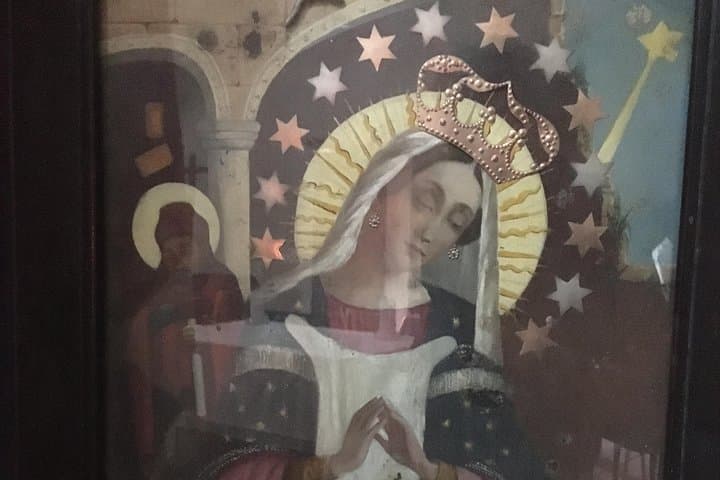
Practical guidance: wear comfortable walking shoes for uneven cobbles, bring sunscreen and a refillable water bottle, and plan for six to seven hours total including transport. Mornings are cooler and less crowded; afternoon light is best for photos at the ruins. Respect historical sites and local communities — photography is usually fine but ask before shooting people or private altars. This route is accessible for most fitness levels and offers a concentrated, grounded look at the island’s colonial legacy.
easy.
6–7 hours.
Suitable for most fitness levels; mostly low-intensity walking with brief standing visits.
Yes — entry to the rum museum and the site visits named in the itinerary are included in the tour price.
The operator notes suitability for people with mobility impairments, though some historic surfaces are uneven; confirm specific needs at booking.
A typical local lunch with one drink is included as listed in the tour inclusion details.
Pickup options are handled at booking; the reservation form requests a pickup point so transport can be coordinated.
The Colonial Zone of Santo Domingo is the site of the earliest sustained European settlement in the Americas; sugar and rum production drove its economy and labor systems for centuries.
Visitors are encouraged to stay on marked paths, avoid touching fragile ruins, and support local guide services and small eateries to put revenue back into the community.
Dom Rep Tours operates guided outdoor trips and adventures with an emphasis on safety, stewardship, and memorable experiences.


You step off the air-conditioned van into the heat of Santo Domingo’s Colonial Zone, where worn cobbles still hold the echoes of ships and sugar. The street hums with vendors and the distant slap of Caribbean waves; a guide folds history into the corners of plazas as you move from murals in Barrio Santa Bárbara to the weathered stone of an old sugar factory.
You step off the air-conditioned van into the heat of Santo Domingo’s Colonial Zone, where worn cobbles still hold the echoes of ships and sugar. The street hums with vendors and the distant slap of Caribbean waves; a guide folds history into the corners of plazas as you move from murals in Barrio Santa Bárbara to the weathered stone of an old sugar factory.
This full-day route traces the island’s entangled history of slavery, sugar and rum production — from plantation logistics to the distillation houses that converted labor into commerce. Geology and trade meet here: nutrient-rich plains fed cane fields, and nearby coasts opened the island to transatlantic routes that shaped its culture. Expect layered stories: colonial architecture, Afro-Caribbean oral history, and a stop at a rum museum that explains production techniques and social impact.
Local life threads through the tour: markets where spices and cassava are traded, wall paintings that chronicle modern identity, and a typical restaurant lunch for a taste of domestic cuisine. The ruins at Boca de Nigua offer a tactile reminder of industrial scale and decline.
Practical guidance: wear comfortable walking shoes for uneven cobbles, bring sunscreen and a refillable water bottle, and plan for six to seven hours total including transport. Mornings are cooler and less crowded; afternoon light is best for photos at the ruins. Respect historical sites and local communities — photography is usually fine but ask before shooting people or private altars. This route is accessible for most fitness levels and offers a concentrated, grounded look at the island’s colonial legacy.