THE ADVENTURE COLLECTIVE® · Independent discovery and booking for outdoor travel

Travel from colonial Kolkata’s broad avenues to Darjeeling’s tea terraces and Sikkimese monasteries. This multi-day journey pairs historic city sights with high‑altitude lakes, sunrise peaks and living Buddhist culture.
Travel from colonial Kolkata’s broad avenues to Darjeeling’s tea terraces and Sikkimese monasteries. This multi-day journey pairs historic city sights with high‑altitude lakes, sunrise peaks and living Buddhist culture.
Morning in Kolkata opens with the river Hooghly sliding past Fort William and the iron span of Howrah Bridge — a city of broad Raj-era avenues and busy ghats that set the tone for a journey from colonial streets to high Himalayan air.
Verified experiences and guided adventures in the surrounding area.
Operated by Agora Voyages Pvt. Ltd. · Kolkata, West Bengal
Morning in Kolkata opens with the river Hooghly sliding past Fort William and the iron span of Howrah Bridge — a city of broad Raj-era avenues and busy ghats that set the tone for a journey from colonial streets to high Himalayan air.
The route threads eastward: tea gardens around Darjeeling where rows of Camellia sinensis climb sun-splashed terraces, Tiger Hill’s predawn watch for Kanchenjunga, and Ghoom Monastery’s prayer flags snapping in mountain wind. Geology shifts from the alluvial Gangetic plain to steep, young fold mountains of the Lower Himalaya; views are framed by terraces, waterfalls and glacial-fed lakes like Tsomgo and the sacred Kechopalri.
Culturally the trip moves between Bengali civic history — Victoria Memorial, Netaji Bhawan — and Sikkimese-Tibetan Buddhist life in Rumtek, Rimbi and Durpin monasteries where butter lamps and thangkas mark centuries of practice. The Darjeeling Himalayan Railway adds a human-scale slice of industrial heritage along steep grades and Batasia Loop.
Practical guide: this multi-day tour mixes long drives on narrow mountain roads, steep short walks, and early-morning viewing. Expect altitude above 3,500 m at Tsomgo — plan a slow pace the first day in the hills, hydrate, and carry warm layers for pre-sunrise outings. Roads can be bumpy; choose sensible footwear for temple steps and wet trails near waterfalls. Respect monastic sites: modest dress, silence during rituals, and permission before photographs. Weather is changeable: mornings can be clear and bright, afternoons fogged or showery. With basic stamina and cultural curiosity, travelers will move comfortably between colonial Kolkata and the quieter Buddhist enclaves of the eastern Himalaya.
moderate.
9 days.
Suitable for travelers in average fitness; requires ability to manage several hours of driving, short uphill walks and early starts for sunrise viewpoints.
Yes — the itinerary is paced for general travelers, but families and seniors should note early starts and altitude; consult a doctor if there are cardiac or respiratory issues.
Some hill-area excursions may require local permits or entry fees; your operator typically handles these during the trip.
October to early December and March to May generally offer clearer skies and comfortable temperatures for sunrise vistas.
Roads are narrow and can be winding with occasional potholes; allow extra travel time and choose a driver experienced in mountain routes.
Kolkata was the British Raj’s eastern capital, leaving civic monuments like Victoria Memorial; the eastern Himalaya has long been a crossroads of Tibetan-Bhutanese-Sikkimese cultures reflected in local monasteries.
High-altitude ecosystems are fragile — avoid trampling vegetation, dispose of waste properly and minimize single-use plastics to protect rivers and lakes.
Agora Voyages Pvt. Ltd. operates guided outdoor trips and adventures with an emphasis on safety, stewardship, and memorable experiences.



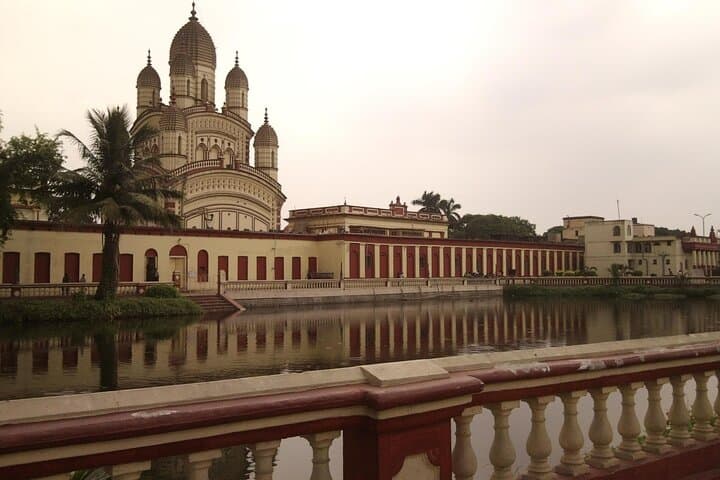
Morning in Kolkata opens with the river Hooghly sliding past Fort William and the iron span of Howrah Bridge — a city of broad Raj-era avenues and busy ghats that set the tone for a journey from colonial streets to high Himalayan air.
Morning in Kolkata opens with the river Hooghly sliding past Fort William and the iron span of Howrah Bridge — a city of broad Raj-era avenues and busy ghats that set the tone for a journey from colonial streets to high Himalayan air.
The route threads eastward: tea gardens around Darjeeling where rows of Camellia sinensis climb sun-splashed terraces, Tiger Hill’s predawn watch for Kanchenjunga, and Ghoom Monastery’s prayer flags snapping in mountain wind. Geology shifts from the alluvial Gangetic plain to steep, young fold mountains of the Lower Himalaya; views are framed by terraces, waterfalls and glacial-fed lakes like Tsomgo and the sacred Kechopalri.
Culturally the trip moves between Bengali civic history — Victoria Memorial, Netaji Bhawan — and Sikkimese-Tibetan Buddhist life in Rumtek, Rimbi and Durpin monasteries where butter lamps and thangkas mark centuries of practice. The Darjeeling Himalayan Railway adds a human-scale slice of industrial heritage along steep grades and Batasia Loop.
Practical guide: this multi-day tour mixes long drives on narrow mountain roads, steep short walks, and early-morning viewing. Expect altitude above 3,500 m at Tsomgo — plan a slow pace the first day in the hills, hydrate, and carry warm layers for pre-sunrise outings. Roads can be bumpy; choose sensible footwear for temple steps and wet trails near waterfalls. Respect monastic sites: modest dress, silence during rituals, and permission before photographs. Weather is changeable: mornings can be clear and bright, afternoons fogged or showery. With basic stamina and cultural curiosity, travelers will move comfortably between colonial Kolkata and the quieter Buddhist enclaves of the eastern Himalaya.