THE ADVENTURE COLLECTIVE® · Independent discovery and booking for outdoor travel

Walk Duke of Gloucester Street with an app that reframes Williamsburg’s colonial displays—exploring power, labor, and memory through GPS-triggered narration. Ideal for curious visitors who want history with context and questions.
Walk Duke of Gloucester Street with an app that reframes Williamsburg’s colonial displays—exploring power, labor, and memory through GPS-triggered narration. Ideal for curious visitors who want history with context and questions.
You step onto Duke of Gloucester Street and the brick underfoot keeps time—steady, deliberate—while voices from placards and plaques push at the edges of what you think you know.
Verified experiences and guided adventures in the surrounding area.
Operated by Drives & Detours · Williamsburg, Virginia
You step onto Duke of Gloucester Street and the brick underfoot keeps time—steady, deliberate—while voices from placards and plaques push at the edges of what you think you know.
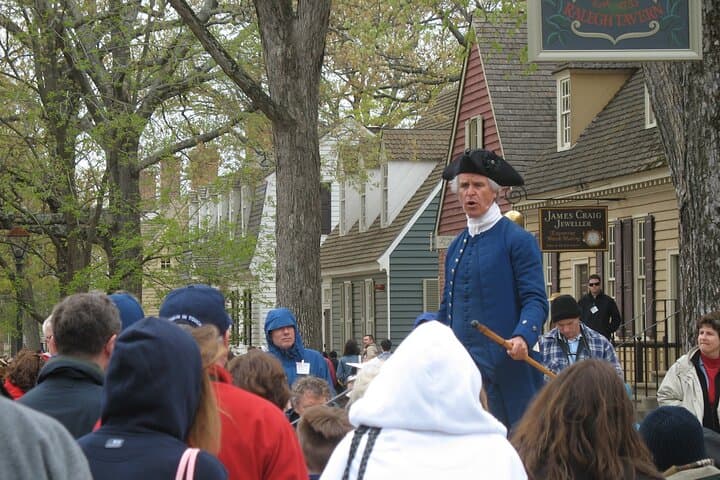
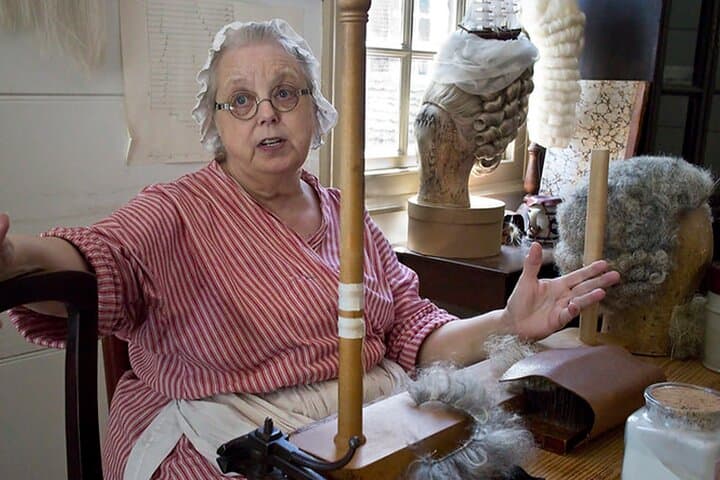
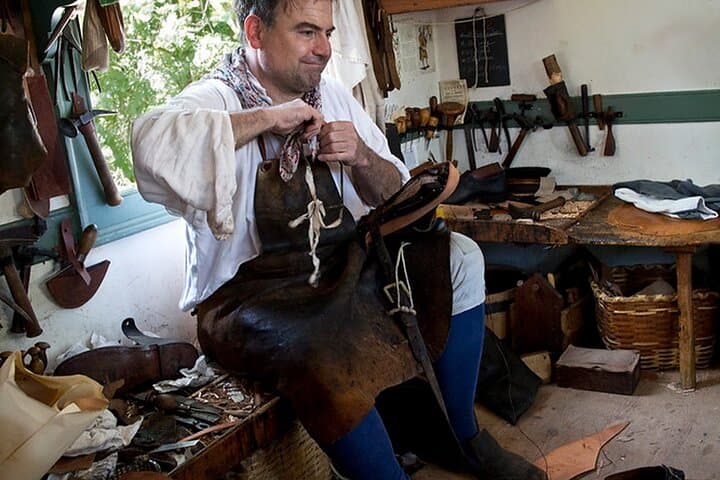
This self-guided walking tour reframes Williamsburg’s painted façades and costumed actors by moving attention from spectacle to story: markets that shaped commerce, taverns where political strategy took root, and buildings that reveal power and exclusion. The route threads Market Square, the Powder Magazine, Raleigh Tavern, Bruton Parish Church, and the Brafferton—each stop a prompt to consider who walked here, who was left out, and how memory is made.
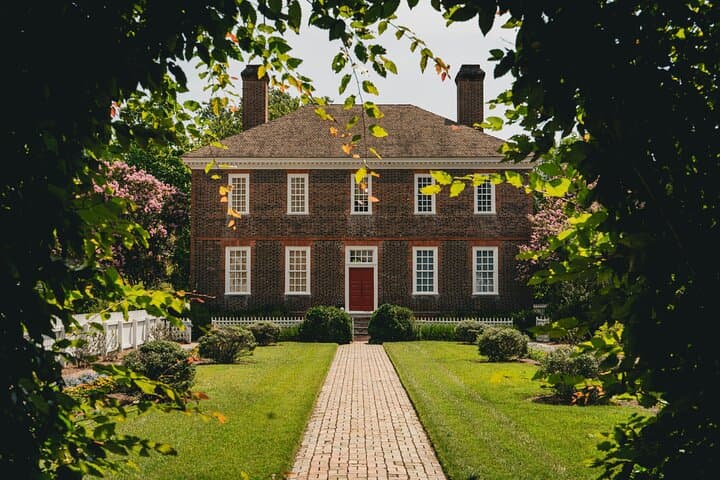
Geologically the town sits on the Atlantic Coastal Plain; the low, flat land and nearby James River shaped trade routes, plantations, and the economic structures that built colonial Virginia. Culturally, Williamsburg was a political crossroads—gubernatorial seats and parish churches stand beside structures tied to education, incarceration, and commerce.
Practical guidance: the tour is app-based and GPS-triggered, downloadable for offline use—bring a charged phone and comfortable shoes. Expect about an hour of walking at an easy pace with frequent pauses for interpretation. Midday in summer can be hot; mornings and late afternoons offer softer light and fewer crowds. Public transit and parking are available near the Visitor Center; the self-guided format means no fixed start time or group constraint.
Observe ground-level details: worn thresholds, mute ledger marks, and interpretive panels that challenge the curated scene. This is a walking exercise in listening as much as looking—history here both invites and interrogates.
easy.
1 hour.
Suitable for most fitness levels; involves about a mile of walking with occasional steps and standing.
No—this self-guided tour is independent and focuses on exterior sites; it does not include admission to ticketed Colonial Williamsburg exhibits.
The guided audio runs about an hour but is flexible; you can start at any time once you download the tour and access is unlimited.
Yes—content is suitable for curious travelers and teens; children under 10 are noted as free in associated policies.
The app works offline after download and will queue audio; move to an open street to reacquire GPS if necessary.
Williamsburg was a political and economic center in colonial Virginia; buildings on Duke of Gloucester Street reflect governance, commerce, and contested social orders.
The area balances preservation with interpretation—stay on designated paths, avoid touching historic fabric, and support local museums that fund maintenance.
Drives & Detours operates guided outdoor trips and adventures with an emphasis on safety, stewardship, and memorable experiences.
You step onto Duke of Gloucester Street and the brick underfoot keeps time—steady, deliberate—while voices from placards and plaques push at the edges of what you think you know.
You step onto Duke of Gloucester Street and the brick underfoot keeps time—steady, deliberate—while voices from placards and plaques push at the edges of what you think you know.
This self-guided walking tour reframes Williamsburg’s painted façades and costumed actors by moving attention from spectacle to story: markets that shaped commerce, taverns where political strategy took root, and buildings that reveal power and exclusion. The route threads Market Square, the Powder Magazine, Raleigh Tavern, Bruton Parish Church, and the Brafferton—each stop a prompt to consider who walked here, who was left out, and how memory is made.
Geologically the town sits on the Atlantic Coastal Plain; the low, flat land and nearby James River shaped trade routes, plantations, and the economic structures that built colonial Virginia. Culturally, Williamsburg was a political crossroads—gubernatorial seats and parish churches stand beside structures tied to education, incarceration, and commerce.
Practical guidance: the tour is app-based and GPS-triggered, downloadable for offline use—bring a charged phone and comfortable shoes. Expect about an hour of walking at an easy pace with frequent pauses for interpretation. Midday in summer can be hot; mornings and late afternoons offer softer light and fewer crowds. Public transit and parking are available near the Visitor Center; the self-guided format means no fixed start time or group constraint.
Observe ground-level details: worn thresholds, mute ledger marks, and interpretive panels that challenge the curated scene. This is a walking exercise in listening as much as looking—history here both invites and interrogates.