THE ADVENTURE COLLECTIVE® · Independent discovery and booking for outdoor travel

From cruise gangway to canopy and concrete, this half-day tour pairs rainforest wildlife with colonial fortifications and the sweeping mechanics of the Panama Canal expansion. Ideal for travelers who want wildlife viewing, a dose of history, and a front-row seat at modern engineering.
From cruise gangway to canopy and concrete, this half-day tour pairs rainforest wildlife with colonial fortifications and the sweeping mechanics of the Panama Canal expansion. Ideal for travelers who want wildlife viewing, a dose of history, and a front-row seat at modern engineering.
You step off the gangway and the air changes—humid, green, and loud with birdsong. A short ride pulls you out of port and into the lowland rainforest where the road narrows and the canopy crowds the minibus windows. Guidebook facts give way to live action: a howler monkey answers a distant call, a three-toed sloth blinks between bromeliads, and the river’s mangrove fingers dare you closer with glints of dark water.
Verified experiences and guided adventures in the surrounding area.
Operated by Almiza tour by My friend Mario · Colón, Colón Province
You step off the gangway and the air changes—humid, green, and loud with birdsong. A short ride pulls you out of port and into the lowland rainforest where the road narrows and the canopy crowds the minibus windows. Guidebook facts give way to live action: a howler monkey answers a distant call, a three-toed sloth blinks between bromeliads, and the river’s mangrove fingers dare you closer with glints of dark water.
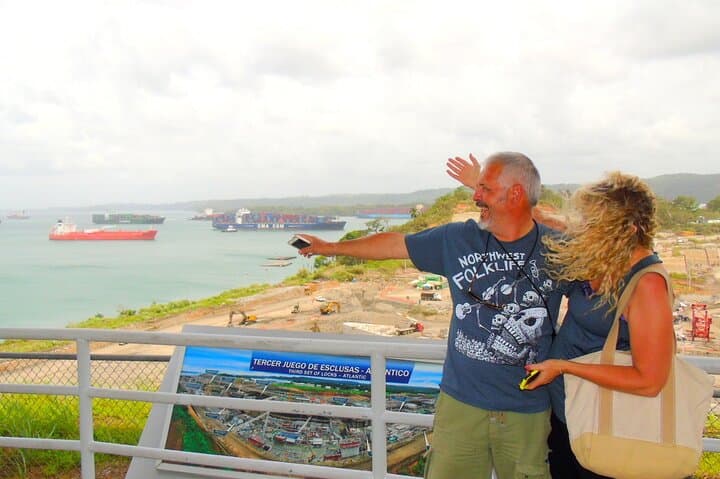
This circuit stitches three distinct layers of Panamanian Atlantic life. San Lorenzo Fort (a UNESCO site) perches on a limestone headland that once controlled access to the Chagres River; its Spanish colonial walls and exposed cannon pits tell a blunt story of empire and piracy. The rainforest that envelopes the fort sits on Miocene-era sediments and mangrove estuaries—an ecological corridor where Central American and Caribbean species intersect. Finally, at the Agua Clara Locks you watch modern engineering: the expanded Panama Canal lifts and lowers cargo giants through concrete chambers, a contemporary counterpoint to centuries-old coastal defense.
Expect focused wildlife stops rather than long hikes, short interpretive walks at the fort, and an observation session at the Canal’s visitor area (admission fee often extra). Practical notes: wear sturdy walking shoes for uneven trails and humid conditions, bring sun and insect protection, and carry a light rain shell—tropical showers are quick and common. Timing matters; morning departures increase wildlife activity and offer cooler air. The tour blends natural history, military architecture, and global trade in one compact, photo-ready half-day off a cruise ship.
easy.
4–5 hours.
Light walking and short uneven trails; suitable for most travelers comfortable with brief standing and steps.
The tour is roughly 4.5 hours and includes air-conditioned transport, bottled water, port pickup/drop-off, and a professional guide; Agua Clara observation admission is often an extra fee.
Yes—guided safari-style stops increase chances of spotting howler monkeys, sloths, toucans and other species, but sightings aren’t guaranteed.
The tour is rated easy with short walks; infants are allowed but must sit on a lap; those with significant mobility or spinal issues should check accessibility beforehand.
Yes—the guide may visit the canal, rainforest, or fort in a different sequence depending on cruise schedule and local conditions.
San Lorenzo Fort guarded the mouth of the Chagres River from the 16th century and later features in the struggle to secure trade routes during the colonial era.
The rainforest and coastal areas are sensitive to boat and foot traffic—stay on marked trails, avoid feeding wildlife, and support local guides who help fund conservation efforts.
Almiza tour by My friend Mario operates guided outdoor trips and adventures with an emphasis on safety, stewardship, and memorable experiences.
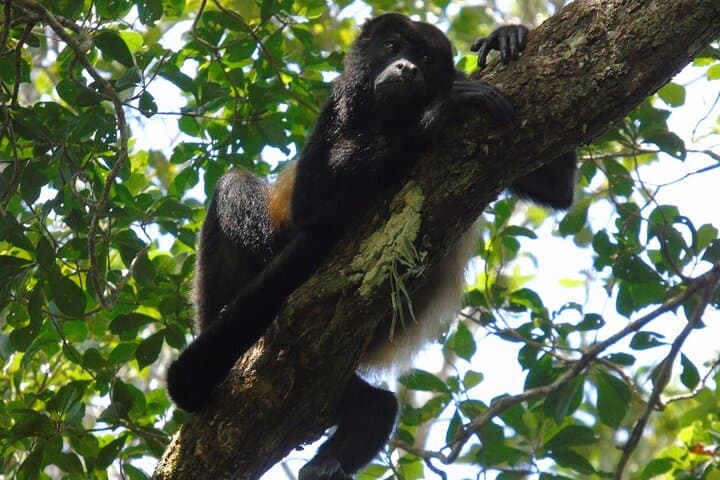
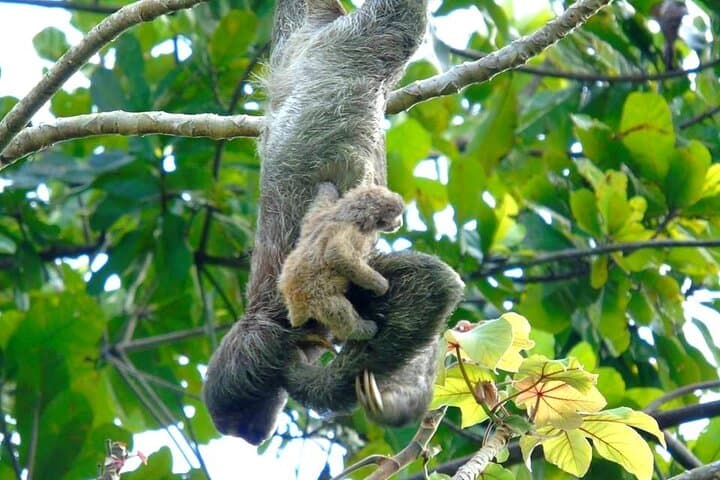
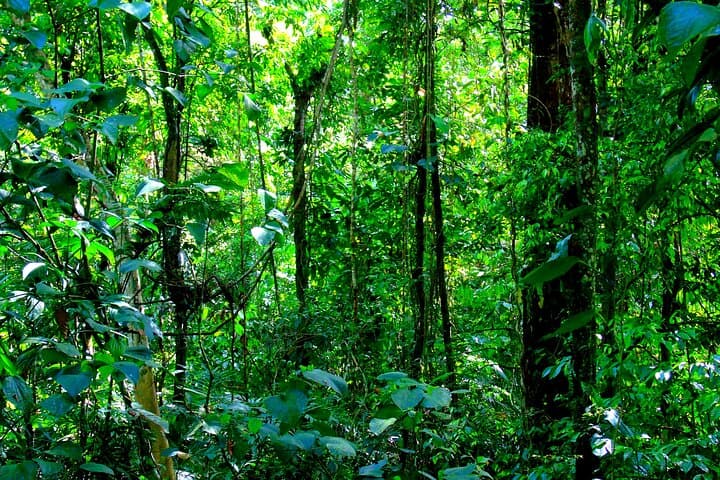
You step off the gangway and the air changes—humid, green, and loud with birdsong. A short ride pulls you out of port and into the lowland rainforest where the road narrows and the canopy crowds the minibus windows. Guidebook facts give way to live action: a howler monkey answers a distant call, a three-toed sloth blinks between bromeliads, and the river’s mangrove fingers dare you closer with glints of dark water.
You step off the gangway and the air changes—humid, green, and loud with birdsong. A short ride pulls you out of port and into the lowland rainforest where the road narrows and the canopy crowds the minibus windows. Guidebook facts give way to live action: a howler monkey answers a distant call, a three-toed sloth blinks between bromeliads, and the river’s mangrove fingers dare you closer with glints of dark water.
This circuit stitches three distinct layers of Panamanian Atlantic life. San Lorenzo Fort (a UNESCO site) perches on a limestone headland that once controlled access to the Chagres River; its Spanish colonial walls and exposed cannon pits tell a blunt story of empire and piracy. The rainforest that envelopes the fort sits on Miocene-era sediments and mangrove estuaries—an ecological corridor where Central American and Caribbean species intersect. Finally, at the Agua Clara Locks you watch modern engineering: the expanded Panama Canal lifts and lowers cargo giants through concrete chambers, a contemporary counterpoint to centuries-old coastal defense.
Expect focused wildlife stops rather than long hikes, short interpretive walks at the fort, and an observation session at the Canal’s visitor area (admission fee often extra). Practical notes: wear sturdy walking shoes for uneven trails and humid conditions, bring sun and insect protection, and carry a light rain shell—tropical showers are quick and common. Timing matters; morning departures increase wildlife activity and offer cooler air. The tour blends natural history, military architecture, and global trade in one compact, photo-ready half-day off a cruise ship.