THE ADVENTURE COLLECTIVE® · Independent discovery and booking for outdoor travel

Learn Sri Lanka’s clay-pot techniques and how to buy ingredients like a local on this market-to-kitchen tour in Colombo. A guided market walk pairs with a hands-on cooking session to make curries, mallum and rice dishes.
Learn Sri Lanka’s clay-pot techniques and how to buy ingredients like a local on this market-to-kitchen tour in Colombo. A guided market walk pairs with a hands-on cooking session to make curries, mallum and rice dishes.
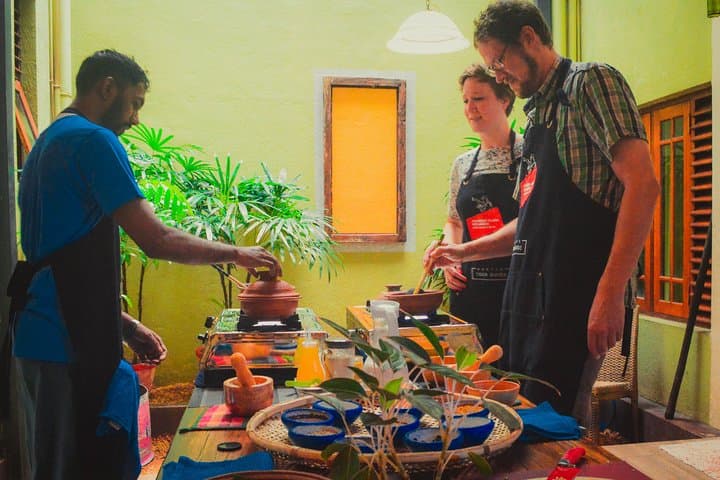
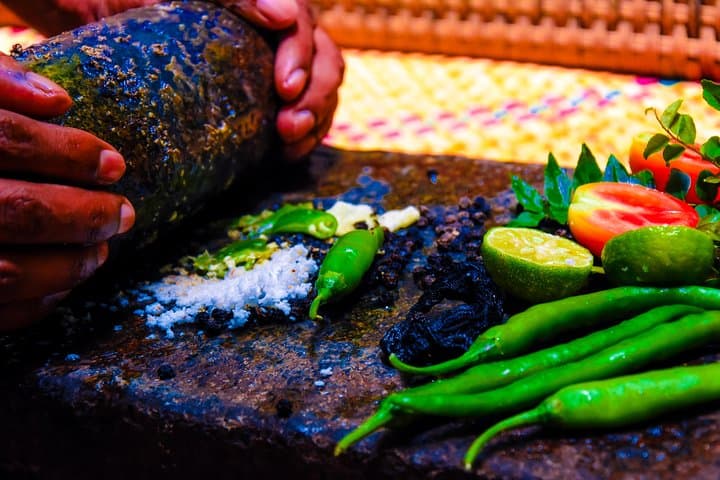
The market's morning light hits piles of chilies and bunches of curry leaves; a guide threads you through narrow alleys where vendors call prices and spices scent the air. You arrive at a quiet villa on Colombo’s green belt, swap the city’s pace for the low, steady heat of a clay pot on a stove, and begin a lesson that is equal parts market literacy and hands-on cooking.
Verified experiences and guided adventures in the surrounding area.
Operated by Ceylon Rustic Guide · Sri Jayawardenepura Kotte, Western Province
The market's morning light hits piles of chilies and bunches of curry leaves; a guide threads you through narrow alleys where vendors call prices and spices scent the air. You arrive at a quiet villa on Colombo’s green belt, swap the city’s pace for the low, steady heat of a clay pot on a stove, and begin a lesson that is equal parts market literacy and hands-on cooking.
Sri Lankan food has deep roots in rice-and-curry traditions influenced by South Indian, Malay and colonial trade. Clay pot cooking is an old craft here: porous earthenware holds moisture and concentrates flavors through slow, gentle heat — a technique passed down outside of formal cookbooks. Colombo itself sits on a coastal plain threaded by waterways and wetlands, which has shaped local diets toward rice, coconuts and fresh produce sold at neighborhood markets.
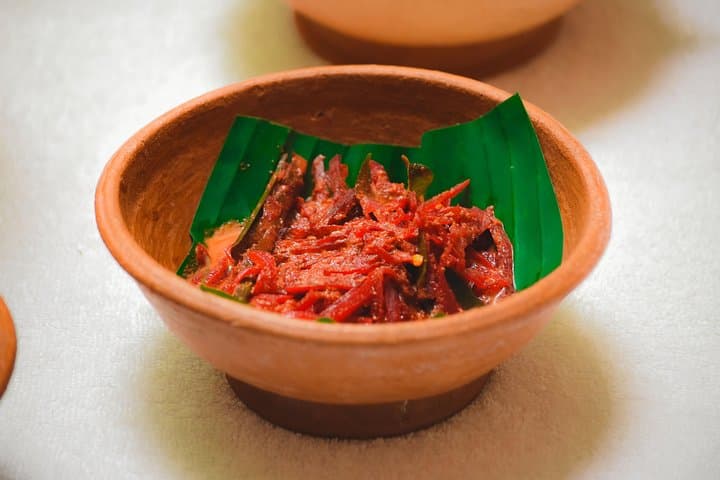
Expect two halves to the outing: a guided market walk to learn how to select vegetables, spices and herbs like a local, then a cooking session where you prepare multiple curries, mallum (leaf salads) and rice in a seasoned clay pot. The experience is sensory — textures, heat levels and the rhythm of chopping and stirring — and practical: hosts cover ordering, storage and ingredient ethics.
Practical tips: the tour runs about five hours, is private, and includes refreshments and bottled water. Wear comfortable shoes for uneven market floors, bring small change for snacks or souvenirs, and note dietary needs when booking. This is a hands-on, low-impact urban experience that pairs cultural insight with usable kitchen skills.
easy.
5 hours.
Light walking over market surfaces and standing during cooking; suitable for most fitness levels
Yes — the experience focuses on vegan Sri Lankan recipes; advise the host of strict vegan needs at booking.
Yes — the guided portion includes walking through a local Colombo market, which may involve narrow, bustling alleys and variable surfaces.
Pickup details vary; provide your pickup point at booking and check the meeting instructions — transfers depend on traffic conditions.
Yes — vendors sell small quantities; bring cash for purchases and ask your guide about storage and quality when buying.
Sri Lankan cuisine grew from rice-and-curry household traditions shaped by spice trade routes; clay pottery has been used for slow-cooked dishes for centuries.
Local markets can generate plastic waste — bring reusable bags and buy from vendors who use minimal packaging to support sustainable practices.
Ceylon Rustic Guide operates guided outdoor trips and adventures with an emphasis on safety, stewardship, and memorable experiences.
The market's morning light hits piles of chilies and bunches of curry leaves; a guide threads you through narrow alleys where vendors call prices and spices scent the air. You arrive at a quiet villa on Colombo’s green belt, swap the city’s pace for the low, steady heat of a clay pot on a stove, and begin a lesson that is equal parts market literacy and hands-on cooking.
The market's morning light hits piles of chilies and bunches of curry leaves; a guide threads you through narrow alleys where vendors call prices and spices scent the air. You arrive at a quiet villa on Colombo’s green belt, swap the city’s pace for the low, steady heat of a clay pot on a stove, and begin a lesson that is equal parts market literacy and hands-on cooking.
Sri Lankan food has deep roots in rice-and-curry traditions influenced by South Indian, Malay and colonial trade. Clay pot cooking is an old craft here: porous earthenware holds moisture and concentrates flavors through slow, gentle heat — a technique passed down outside of formal cookbooks. Colombo itself sits on a coastal plain threaded by waterways and wetlands, which has shaped local diets toward rice, coconuts and fresh produce sold at neighborhood markets.
Expect two halves to the outing: a guided market walk to learn how to select vegetables, spices and herbs like a local, then a cooking session where you prepare multiple curries, mallum (leaf salads) and rice in a seasoned clay pot. The experience is sensory — textures, heat levels and the rhythm of chopping and stirring — and practical: hosts cover ordering, storage and ingredient ethics.
Practical tips: the tour runs about five hours, is private, and includes refreshments and bottled water. Wear comfortable shoes for uneven market floors, bring small change for snacks or souvenirs, and note dietary needs when booking. This is a hands-on, low-impact urban experience that pairs cultural insight with usable kitchen skills.