THE ADVENTURE COLLECTIVE® · Independent discovery and booking for outdoor travel

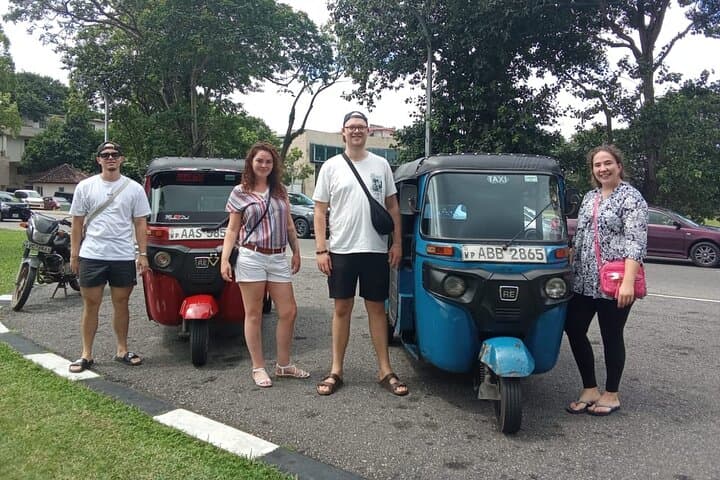
Experience Colombo from a tuk‑tuk: a private 3–4 hour loop that stitches together temples, colonial sites, markets and oceanfront views. Fast, flexible and local-led, it’s an efficient way to sample the city’s architecture and street life.
Experience Colombo from a tuk‑tuk: a private 3–4 hour loop that stitches together temples, colonial sites, markets and oceanfront views. Fast, flexible and local-led, it’s an efficient way to sample the city’s architecture and street life.
The tuk‑tuk hums to life as the city wakes—salt air from Galle Face Green tugs at your shirt and horns thread through the early traffic. You slide into the open sidecar and Colombo spreads out in a rapid montage: colonial facades, chrome‑bright mosques, and pockets of green where banyan roots grip the earth.
Verified experiences and guided adventures in the surrounding area.
Operated by Colombo TukTuk Tours · Colombo, Western Province
The tuk‑tuk hums to life as the city wakes—salt air from Galle Face Green tugs at your shirt and horns thread through the early traffic. You slide into the open sidecar and Colombo spreads out in a rapid montage: colonial facades, chrome‑bright mosques, and pockets of green where banyan roots grip the earth.
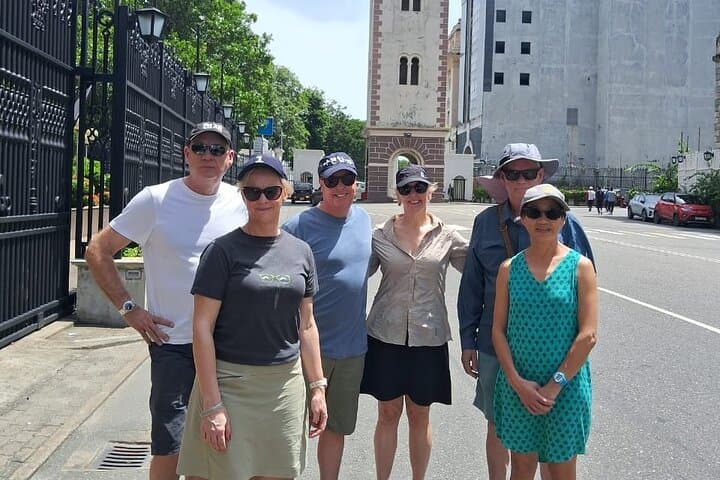
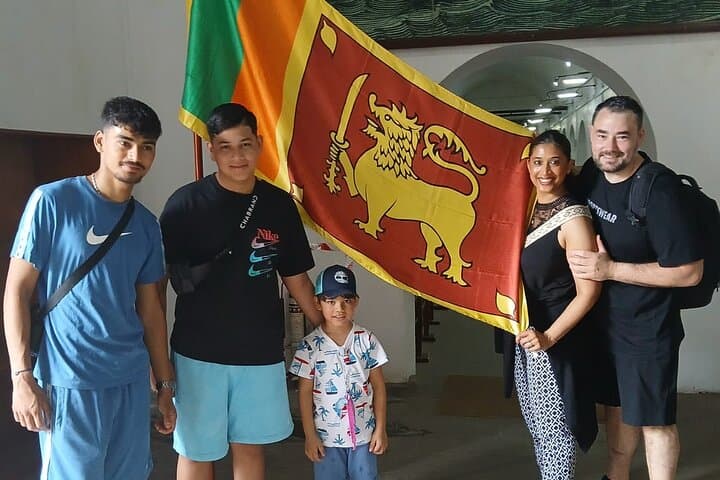
Colombo is a port city shaped by geology and empire. Its low coastal plain formed from tidal sediments welcomed Portuguese, Dutch and British traders; their architecture and grid of streets remain. Along the route you pass Gangaramaya’s ornate Buddhist shrines, the candy‑striped Jami Ul‑Alfar Mosque, and Independence Hall—each stop a chapter in Sri Lanka’s colonial and post‑independence story. The National Museum and nearby tea stalls remind you of an island whose economy spun on spice, tea and maritime trade.
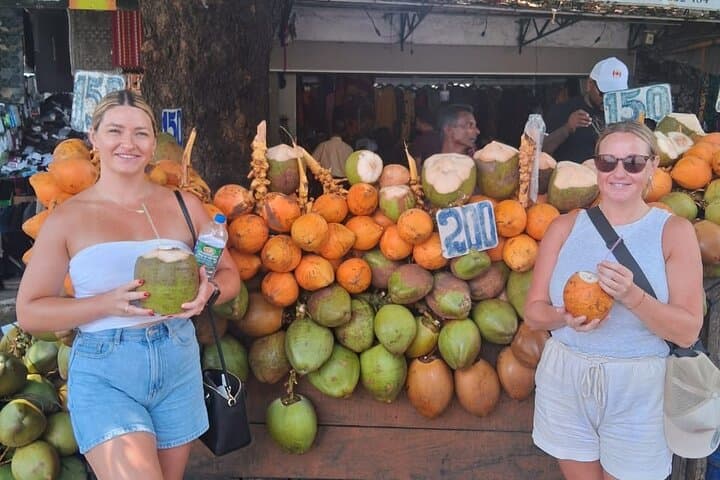
Culturally, the drive is intimate: vendors call from Pettah market lanes, devotees remove shoes at temple thresholds, and king coconuts are handed over after a dusty stretch. The ocean dares you to pause at Galle Face while the Lotus Tower punctures the skyline.
Practical guidance: plan for a 3–4 hour window, wear lightweight, respectful clothing, and keep a small daypack for shoes and souvenirs. Temples require modest dress and barefoot entry; cash is useful for markets. Expect traffic delays during peak hours and sudden rain in monsoon months—sit near the driver if you prefer less spray. This private tuk‑tuk loop is a compact, sensory introduction to Colombo’s layered history and living streetscapes.
easy.
3–4 hours.
Light activity: able to board a tuk‑tuk and walk short distances (10–30 minutes) at stops
Pickup and drop‑off inside Colombo are included—confirm exact pickup point when booking so the driver can meet you efficiently.
Short stops are included but most admissions (if required) are not—carry small change for entrance fees and donations.
Infant seats are available per the operator’s listing; secure seating and supervision are advised due to open‑air exposure and traffic.
Guides are English‑speaking and familiar with Colombo’s landmarks; request other languages in advance if needed.
Colombo developed as a strategic port under Portuguese, Dutch and British influence; its streets reflect layered colonial planning and a plural religious heritage.
Support small vendors and avoid single‑use plastics; be mindful of feeding wildlife and stick to marked park paths to limit erosion.
Colombo TukTuk Tours operates guided outdoor trips and adventures with an emphasis on safety, stewardship, and memorable experiences.
The tuk‑tuk hums to life as the city wakes—salt air from Galle Face Green tugs at your shirt and horns thread through the early traffic. You slide into the open sidecar and Colombo spreads out in a rapid montage: colonial facades, chrome‑bright mosques, and pockets of green where banyan roots grip the earth.
The tuk‑tuk hums to life as the city wakes—salt air from Galle Face Green tugs at your shirt and horns thread through the early traffic. You slide into the open sidecar and Colombo spreads out in a rapid montage: colonial facades, chrome‑bright mosques, and pockets of green where banyan roots grip the earth.
Colombo is a port city shaped by geology and empire. Its low coastal plain formed from tidal sediments welcomed Portuguese, Dutch and British traders; their architecture and grid of streets remain. Along the route you pass Gangaramaya’s ornate Buddhist shrines, the candy‑striped Jami Ul‑Alfar Mosque, and Independence Hall—each stop a chapter in Sri Lanka’s colonial and post‑independence story. The National Museum and nearby tea stalls remind you of an island whose economy spun on spice, tea and maritime trade.
Culturally, the drive is intimate: vendors call from Pettah market lanes, devotees remove shoes at temple thresholds, and king coconuts are handed over after a dusty stretch. The ocean dares you to pause at Galle Face while the Lotus Tower punctures the skyline.
Practical guidance: plan for a 3–4 hour window, wear lightweight, respectful clothing, and keep a small daypack for shoes and souvenirs. Temples require modest dress and barefoot entry; cash is useful for markets. Expect traffic delays during peak hours and sudden rain in monsoon months—sit near the driver if you prefer less spray. This private tuk‑tuk loop is a compact, sensory introduction to Colombo’s layered history and living streetscapes.