THE ADVENTURE COLLECTIVE® · Independent discovery and booking for outdoor travel

Board the Dunhinda Odyssey at dawn and spend a full day watching Sri Lanka transform from coastal lowlands to tea-covered highlands. This 11–12 hour scenic rail journey is a moving landscape tour—best booked well in advance and enjoyed with a camera and a warm layer.
Board the Dunhinda Odyssey at dawn and spend a full day watching Sri Lanka transform from coastal lowlands to tea-covered highlands. This 11–12 hour scenic rail journey is a moving landscape tour—best booked well in advance and enjoyed with a camera and a warm layer.
The morning air at Colombo Railway Station is thin with diesel and anticipation as the Dunhinda Odyssey pulls away at 05:30. Windows frame a changing country: lowland suburbs give way to rice paddies, then to a slow, steady climb into the central highlands where tea terraces rise like folded green steps. By the time the train threads the tunnels near Nanu Oya, the light softens and the landscape opens into steep ravines, waterfalls that seem to dare you to look closer, and cliffside viewpoints that reward every camera shutter.
Verified experiences and guided adventures in the surrounding area.
Operated by Lakpura LLC · Badulla, Uva Province
The morning air at Colombo Railway Station is thin with diesel and anticipation as the Dunhinda Odyssey pulls away at 05:30. Windows frame a changing country: lowland suburbs give way to rice paddies, then to a slow, steady climb into the central highlands where tea terraces rise like folded green steps. By the time the train threads the tunnels near Nanu Oya, the light softens and the landscape opens into steep ravines, waterfalls that seem to dare you to look closer, and cliffside viewpoints that reward every camera shutter.
The line was laid in the late 19th century to serve tea plantations established under British colonial rule; its steep gradients and cogent engineering remain visible in viaducts and hairpin curves. Geologically, the route climbs from near sea level into the fractured rocks of Sri Lanka’s central massif, where lateritic soils and exposed rock faces alternate with manicured tea fields. Culturally, stations are small, noisy hubs—vendors selling samosas and sweet milky tea, and farmers moving freight by hand.
Practical guidance: the trip runs about 11–12 hours (Colombo 05:30 to Badulla ~17:30) and covers roughly 290–300 km while climbing several hundred meters into the highlands. Book at least 30 days ahead and choose 1st class AC if you want more space; specific window seats or side preferences aren’t guaranteed. Bring layered clothing (highlands get cool), a rain layer, snacks and water, a power bank, and patience—this is a travel day meant for looking out the window as much as reaching a destination.
easy.
11–12 hours.
Requires ability to sit for long periods and manage stairs at some stations; generally suitable for most fitness levels
The scheduled journey is about 11–12 hours (depart Colombo ~05:30, arrive Badulla ~17:30).
You can request preferences when booking, but specific window seats or side assignments are not guaranteed—arrive early to increase your chances.
Vendors and station stalls offer snacks and tea at stops, but bring your own meals for a reliable option during the full-day trip.
Some stations have stairs and limited platform accessibility; travelers with spinal issues or significant mobility constraints should consider this before booking.
The upcountry line was built during British colonial rule to move tea and goods from hill plantations to Colombo ports; many viaducts and gradients reflect 19th-century engineering.
The railway passes fragile highland ecosystems—minimize litter, avoid disturbing wildlife, and support local vendors to keep economic benefits in the region.
Lakpura LLC operates guided outdoor trips and adventures with an emphasis on safety, stewardship, and memorable experiences.
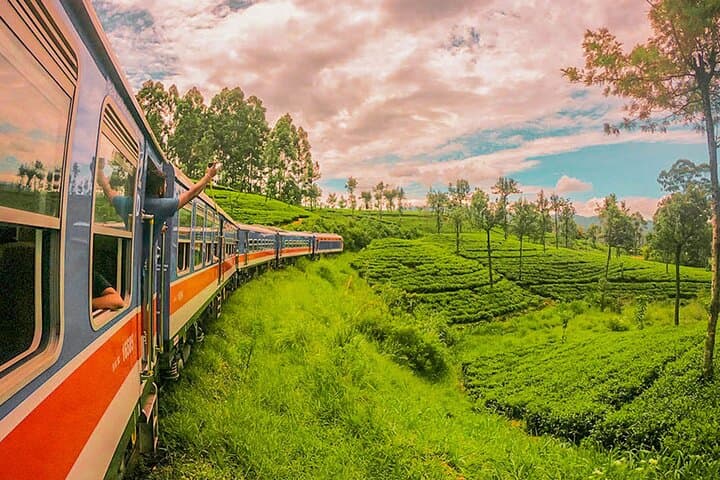
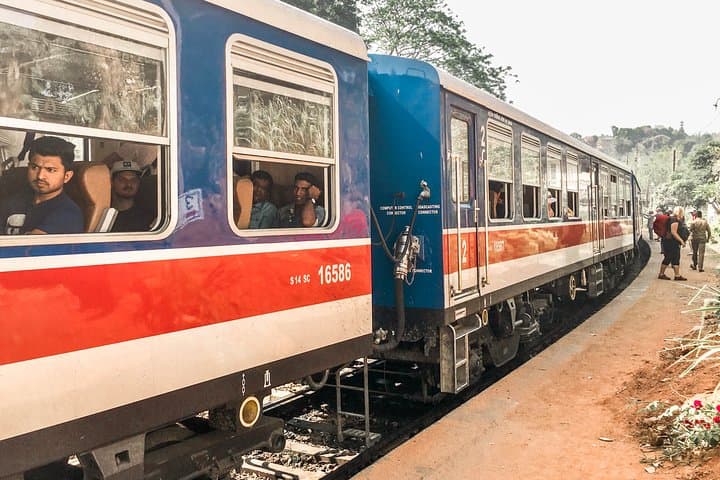
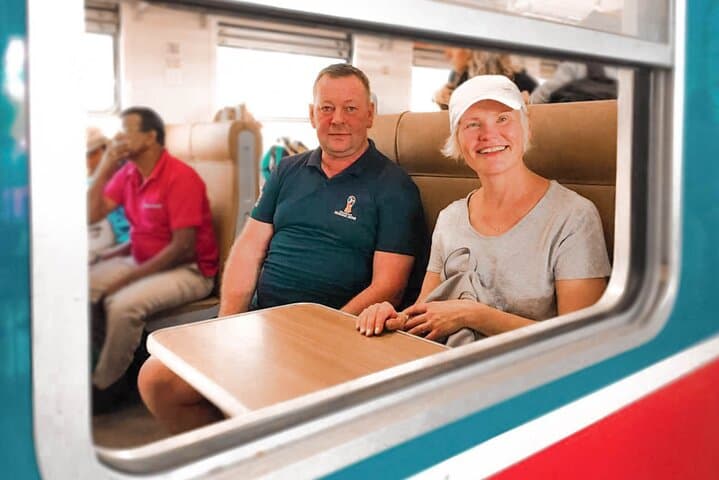
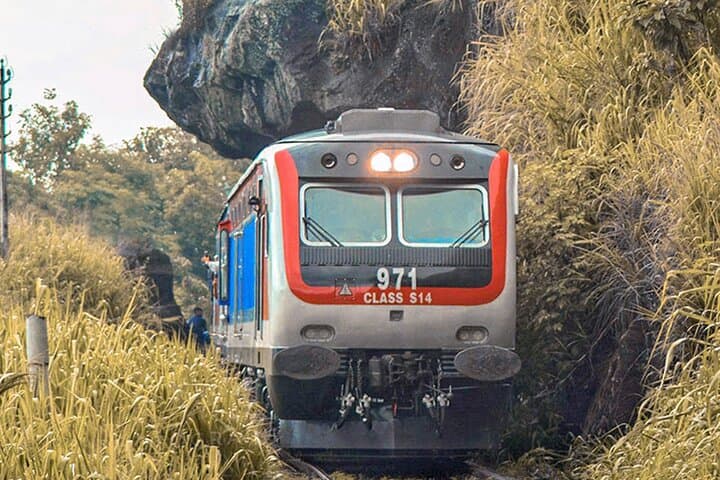
The morning air at Colombo Railway Station is thin with diesel and anticipation as the Dunhinda Odyssey pulls away at 05:30. Windows frame a changing country: lowland suburbs give way to rice paddies, then to a slow, steady climb into the central highlands where tea terraces rise like folded green steps. By the time the train threads the tunnels near Nanu Oya, the light softens and the landscape opens into steep ravines, waterfalls that seem to dare you to look closer, and cliffside viewpoints that reward every camera shutter.
The morning air at Colombo Railway Station is thin with diesel and anticipation as the Dunhinda Odyssey pulls away at 05:30. Windows frame a changing country: lowland suburbs give way to rice paddies, then to a slow, steady climb into the central highlands where tea terraces rise like folded green steps. By the time the train threads the tunnels near Nanu Oya, the light softens and the landscape opens into steep ravines, waterfalls that seem to dare you to look closer, and cliffside viewpoints that reward every camera shutter.
The line was laid in the late 19th century to serve tea plantations established under British colonial rule; its steep gradients and cogent engineering remain visible in viaducts and hairpin curves. Geologically, the route climbs from near sea level into the fractured rocks of Sri Lanka’s central massif, where lateritic soils and exposed rock faces alternate with manicured tea fields. Culturally, stations are small, noisy hubs—vendors selling samosas and sweet milky tea, and farmers moving freight by hand.
Practical guidance: the trip runs about 11–12 hours (Colombo 05:30 to Badulla ~17:30) and covers roughly 290–300 km while climbing several hundred meters into the highlands. Book at least 30 days ahead and choose 1st class AC if you want more space; specific window seats or side preferences aren’t guaranteed. Bring layered clothing (highlands get cool), a rain layer, snacks and water, a power bank, and patience—this is a travel day meant for looking out the window as much as reaching a destination.