THE ADVENTURE COLLECTIVE® · Independent discovery and booking for outdoor travel

Leave the quay for a four‑to‑five hour private tour from Colombo to Ingiriya’s tea plantations. Watch tea pluckers and rubber tappers, tour a working factory and finish with brief cultural stops back in Colombo.
Leave the quay for a four‑to‑five hour private tour from Colombo to Ingiriya’s tea plantations. Watch tea pluckers and rubber tappers, tour a working factory and finish with brief cultural stops back in Colombo.
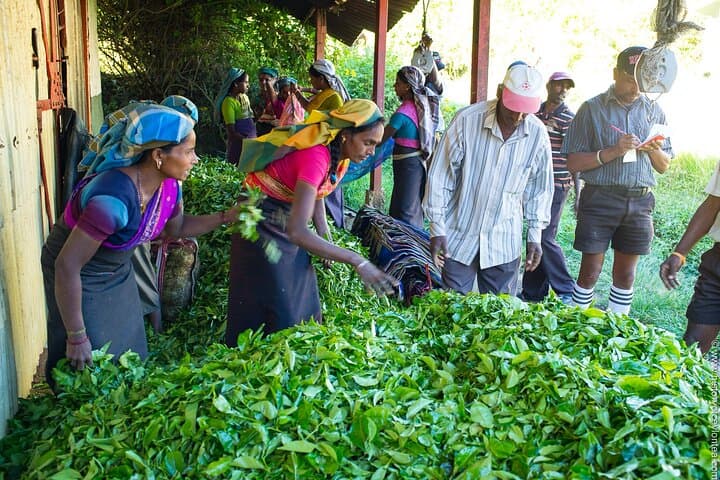
A coastal breeze from the Colombo quay eases the heat as your private vehicle pulls away from the port. Roads unwind into patchwork fields: emerald tea bushes slope into pockets of rubber trees, and the air sharpens with the scent of freshly cut leaves. At Ingiriya the land seems to lean toward work — hands plucking two leaves and a bud, machines humming quietly as they turn green shoots into the dark, malty liquor that made Ceylon famous.
Verified experiences and guided adventures in the surrounding area.
Operated by Colombo City Boy · Colombo, Western Province
A coastal breeze from the Colombo quay eases the heat as your private vehicle pulls away from the port. Roads unwind into patchwork fields: emerald tea bushes slope into pockets of rubber trees, and the air sharpens with the scent of freshly cut leaves. At Ingiriya the land seems to lean toward work — hands plucking two leaves and a bud, machines humming quietly as they turn green shoots into the dark, malty liquor that made Ceylon famous.
Tea arrived in Sri Lanka under colonial pressure in the 19th century and transformed both landscape and economy; what you see at the plantation is shaped by geology —ancient metamorphic soils that drain quickly and give black tea its brisk edge. Nearby Colombo mixes colonial architecture, Hindu gopurams, and contemporary galleries along Green Path; Seema Malaka floats like a quiet bench on Beira Lake, inviting a slower pace after the kinetic plantation visit.
Expect guided demonstrations: tea plucking techniques, rubber tapping cuts, a walkthrough of factory stages — with a tasting that connects field to cup. The pace is gentle: short walks through tiered plantings and factory floors, plus brief stops at Gangaramaya and a local craft lane for shopping.
Practical guidance: dress smart-casual but wear sturdy walking shoes; mornings are cooler and afternoons humid — carry sun protection and a refillable bottle. The tour runs about 4–5 hours and is family-friendly; bring small change for market purchases and respect temple etiquette during Colombo stops. The land will ask little of you, but reward attention with aroma and a clear understanding of how Ceylon tea reaches your cup.
easy.
4–5 hours.
Light walking on mostly flat to gently sloped plantation paths; suitable for most fitness levels.
The tour runs approximately 4–5 hours total, including about a 90‑minute drive each way to Ingiriya and several short stops in Colombo.
Yes; the visit includes brief, supervised factory areas and short walks in the plantation — families are common on this shore excursion.
The itinerary covers transportation and guided visits; samples may be provided but full meals and optional museum admissions are typically not included.
Carry your cruise or port ID and any booking confirmation for pickup and drop‑off at the passenger terminal.
Commercial tea cultivation in Sri Lanka expanded after the 1860s when coffee plantations failed; British planters converted many hill and lowland estates to tea, shaping local settlement and economy.
Many plantations now use integrated pest management and water‑efficient processing; visitors should avoid single‑use plastics and stick to marked paths to protect soils.
Colombo City Boy operates guided outdoor trips and adventures with an emphasis on safety, stewardship, and memorable experiences.


A coastal breeze from the Colombo quay eases the heat as your private vehicle pulls away from the port. Roads unwind into patchwork fields: emerald tea bushes slope into pockets of rubber trees, and the air sharpens with the scent of freshly cut leaves. At Ingiriya the land seems to lean toward work — hands plucking two leaves and a bud, machines humming quietly as they turn green shoots into the dark, malty liquor that made Ceylon famous.
A coastal breeze from the Colombo quay eases the heat as your private vehicle pulls away from the port. Roads unwind into patchwork fields: emerald tea bushes slope into pockets of rubber trees, and the air sharpens with the scent of freshly cut leaves. At Ingiriya the land seems to lean toward work — hands plucking two leaves and a bud, machines humming quietly as they turn green shoots into the dark, malty liquor that made Ceylon famous.
Tea arrived in Sri Lanka under colonial pressure in the 19th century and transformed both landscape and economy; what you see at the plantation is shaped by geology —ancient metamorphic soils that drain quickly and give black tea its brisk edge. Nearby Colombo mixes colonial architecture, Hindu gopurams, and contemporary galleries along Green Path; Seema Malaka floats like a quiet bench on Beira Lake, inviting a slower pace after the kinetic plantation visit.
Expect guided demonstrations: tea plucking techniques, rubber tapping cuts, a walkthrough of factory stages — with a tasting that connects field to cup. The pace is gentle: short walks through tiered plantings and factory floors, plus brief stops at Gangaramaya and a local craft lane for shopping.
Practical guidance: dress smart-casual but wear sturdy walking shoes; mornings are cooler and afternoons humid — carry sun protection and a refillable bottle. The tour runs about 4–5 hours and is family-friendly; bring small change for market purchases and respect temple etiquette during Colombo stops. The land will ask little of you, but reward attention with aroma and a clear understanding of how Ceylon tea reaches your cup.