THE ADVENTURE COLLECTIVE® · Independent discovery and booking for outdoor travel

A compact private shore excursion that packs Colombo’s highlights and the ancient Kelaniya Temple into four hours. Expect city drives, short walks at temples and parks, and a practical introduction to Colombo’s layered history.
A compact private shore excursion that packs Colombo’s highlights and the ancient Kelaniya Temple into four hours. Expect city drives, short walks at temples and parks, and a practical introduction to Colombo’s layered history.
You step off the jetty into humid air that smells of salt and frying street food, the city already moving around you—rickshaws threading between colonial facades, vendors calling from Pettah Bazaar. Within an hour your private vehicle has pushed past Beira Lake, where the low water level holds a patient stillness, to Kelaniya Temple, its painted walls and gilded stupa bright against a slate sky.
Verified experiences and guided adventures in the surrounding area.
Operated by Colombo City Boy · Colombo, Western Province
You step off the jetty into humid air that smells of salt and frying street food, the city already moving around you—rickshaws threading between colonial facades, vendors calling from Pettah Bazaar. Within an hour your private vehicle has pushed past Beira Lake, where the low water level holds a patient stillness, to Kelaniya Temple, its painted walls and gilded stupa bright against a slate sky.
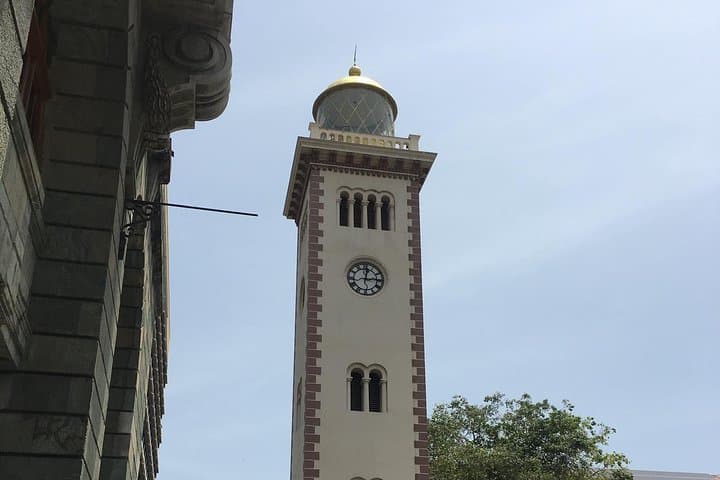
Colombo wears its layers plainly: Dutch and British colonial quarters sit beside modern conference halls, while temples and mosques mark centuries of trade and religious life. Kelaniya traces a legendary arrival of Buddhism to Sri Lanka in the 3rd century BCE and has been rebuilt through waves of conflict and restoration. Geologically the coast is flat, reclaimed in places, with Beira Lake a shallow remnant that shaped early settlement and trade. Culturally, Colombo is a crossroads—Tamil, Sinhalese, Muslim, and Burgher communities overlap in markets, food stalls, and festivals.
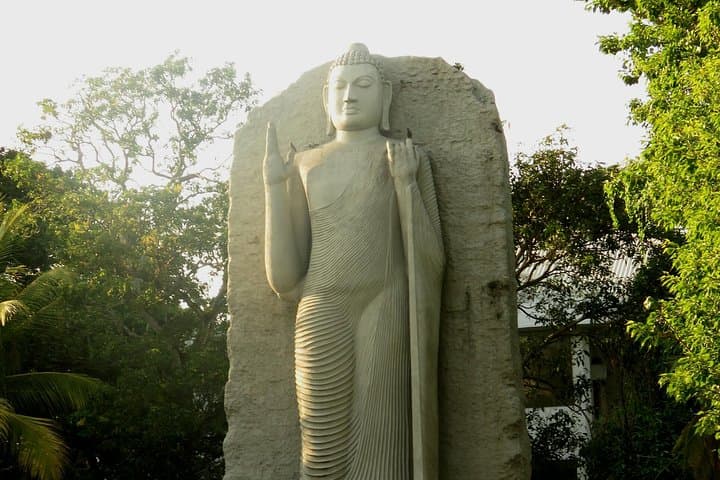
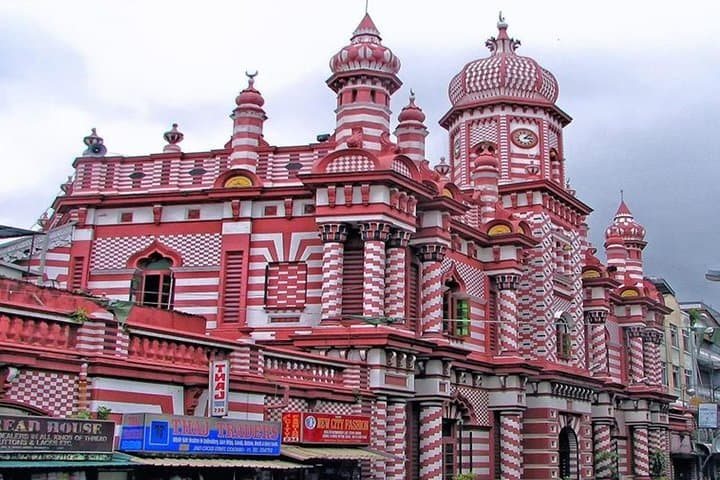
On a four-hour shore excursion expect short, focused stops—Kelaniya’s frescoes and shrines, the red Jami Ul-Alfar Mosque from the outside, a stroll through Viharamahadevi Park, and a drive-by of the Old Parliament and Galle Face Green for sea air. Practicalities: wear sturdy walking shoes for uneven temple steps and market alleys, bring cash for small purchases, and respect dress codes at religious sites (shoulders and knees covered). Plan your visit early in the day to avoid traffic and midday heat; carry water and a lightweight rain layer during the monsoon months. This tour is low-impact physically but rich in cultural texture—ideal for travelers wanting a compact, contextual introduction to Colombo before returning to port.
easy.
4 hours.
Suitable for most travelers who can handle short walks and steps; minimal fitness required.
Yes—most Buddhist and Hindu temples require shoes be removed; wear easy-to-remove footwear and modest clothing.
Yes; the itinerary is designed for a 4-hour window and returns to the port, but provide exact ship times for pickup planning.
Admission fees are included according to the tour details, but small donation jars and optional museum fees may be extra.
The tour is low intensity but some sites have steps and uneven surfaces; notify the operator about mobility needs to arrange appropriate pickup and pacing.
Colombo’s waterfront and civic buildings reflect Dutch and British colonial periods while Kelaniya Temple conserves Buddhist traditions tied to the 3rd-century BCE arrival of Arahat Mahinda.
Rapid urban growth strains green spaces and waterways; minimize plastic waste, stick to marked paths, and support local vendors who follow sustainable practices.
Colombo City Boy operates guided outdoor trips and adventures with an emphasis on safety, stewardship, and memorable experiences.
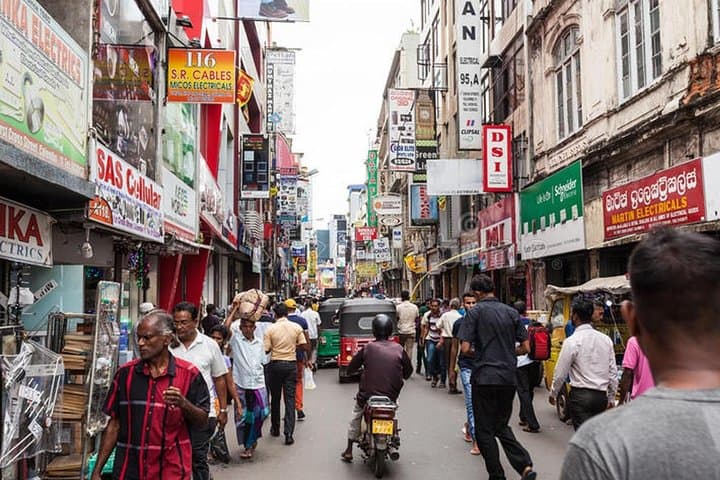
You step off the jetty into humid air that smells of salt and frying street food, the city already moving around you—rickshaws threading between colonial facades, vendors calling from Pettah Bazaar. Within an hour your private vehicle has pushed past Beira Lake, where the low water level holds a patient stillness, to Kelaniya Temple, its painted walls and gilded stupa bright against a slate sky.
You step off the jetty into humid air that smells of salt and frying street food, the city already moving around you—rickshaws threading between colonial facades, vendors calling from Pettah Bazaar. Within an hour your private vehicle has pushed past Beira Lake, where the low water level holds a patient stillness, to Kelaniya Temple, its painted walls and gilded stupa bright against a slate sky.
Colombo wears its layers plainly: Dutch and British colonial quarters sit beside modern conference halls, while temples and mosques mark centuries of trade and religious life. Kelaniya traces a legendary arrival of Buddhism to Sri Lanka in the 3rd century BCE and has been rebuilt through waves of conflict and restoration. Geologically the coast is flat, reclaimed in places, with Beira Lake a shallow remnant that shaped early settlement and trade. Culturally, Colombo is a crossroads—Tamil, Sinhalese, Muslim, and Burgher communities overlap in markets, food stalls, and festivals.
On a four-hour shore excursion expect short, focused stops—Kelaniya’s frescoes and shrines, the red Jami Ul-Alfar Mosque from the outside, a stroll through Viharamahadevi Park, and a drive-by of the Old Parliament and Galle Face Green for sea air. Practicalities: wear sturdy walking shoes for uneven temple steps and market alleys, bring cash for small purchases, and respect dress codes at religious sites (shoulders and knees covered). Plan your visit early in the day to avoid traffic and midday heat; carry water and a lightweight rain layer during the monsoon months. This tour is low-impact physically but rich in cultural texture—ideal for travelers wanting a compact, contextual introduction to Colombo before returning to port.