THE ADVENTURE COLLECTIVE® · Independent discovery and booking for outdoor travel

A full‑day private shore excursion from Colombo that links the world’s only blue moonstone mine with Ambalangoda’s mask traditions, a Madu River mangrove boat ride, and a quick stop at Bentota Beach. Expect short walks, a mangrove boat, and artisanal encounters.
A full‑day private shore excursion from Colombo that links the world’s only blue moonstone mine with Ambalangoda’s mask traditions, a Madu River mangrove boat ride, and a quick stop at Bentota Beach. Expect short walks, a mangrove boat, and artisanal encounters.
You step off the ship into humid Colombo air and settle into an air‑conditioned car that will carry you along the southern expressway toward the coast — a seven to eight hour loop that stitches together geology, ritual and mangrove waterways.
Verified experiences and guided adventures in the surrounding area.
Operated by Colombo City Boy · Balapitiya, Southern Province
You step off the ship into humid Colombo air and settle into an air‑conditioned car that will carry you along the southern expressway toward the coast — a seven to eight hour loop that stitches together geology, ritual and mangrove waterways.
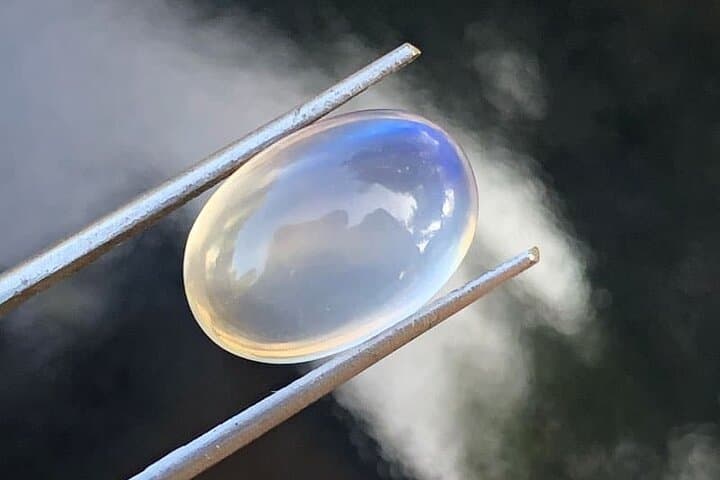
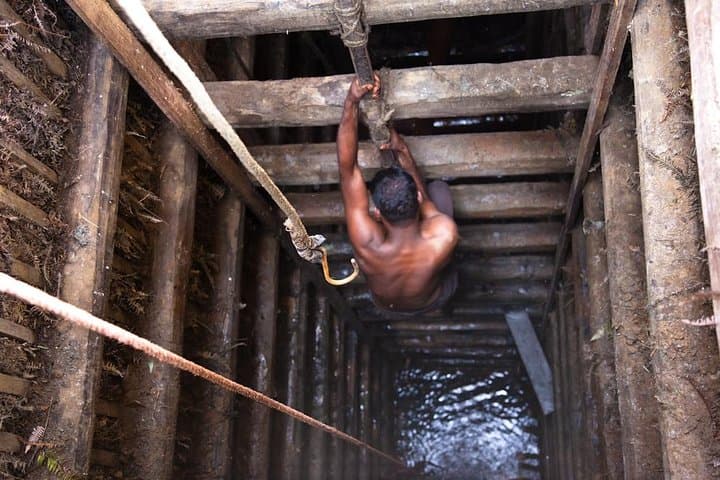
At Meetiyagoda the land gives up an unusual secret: blue moonstone-bearing pegmatite mined by hand. Miners tunnel with coconut beams and fern-lined shafts to pull up pale gravel that hides flashes of gemmy blue; the place reads like working geology and folklore at once. Further down the coast, Ambalangoda’s mask museum explains the theatrical and ritual carvings used in Kolam dances and exorcism rituals — a social history of coastal communities and craft economies.
Madu Ganga’s estuary brings a change of pace: narrow channels and mangrove islets where cinnamon peeling, waterbirds and small boat traffic make for a living wetland. Bentota Beach closes the loop with a short shoreline stop and a glimpse of Geoffrey Bawa’s nearby gardens if time allows.
Practical guidance: the tour is largely low‑impact walking, but expect humid heat, short boat rides through mangroves, and unpaved paths at the mine and islets. Wear closed-toe walking shoes for the mine, bring sunscreen and insect repellent, and carry a small daypack with water. Local vendors accept cash for small crafts; dress smart casual for temple and museum visits. If you have cardiovascular or pregnancy restrictions, this long day may be unsuitable. Plan for early embarkation and keep your cruise schedule handy — the return follows the expressway back to Colombo port.
easy.
7–8 hours.
Light fitness required: short walks, boarding small boats, and getting in/out of vehicles several times; suitable for most active travelers.
The tour runs about 7–8 hours (420–480 minutes) including transfers, site visits, a mangrove boat ride and lunch.
Yes — the tour includes a provided lunch, typically at a local restaurant during the itinerary.
Yes — a short motorized boat ride through Madu Ganga’s mangrove channels is included and offers close-up wetland views.
No heavy hiking is required, but there are narrow, hand‑dug shafts and uneven ground—steady footwear and basic mobility are advised.
Meetiyagoda has long been the world’s primary source of Sri Lankan moonstone, mined by hand from pegmatite veins; Ambalangoda’s mask carving reflects coastal ritual theatre used to mark social events and exorcisms.
Madu Ganga is an ecologically sensitive wetland; visitors should avoid littering, keep to designated boats, and support local guides who practice sustainable islet visits.
Colombo City Boy operates guided outdoor trips and adventures with an emphasis on safety, stewardship, and memorable experiences.


You step off the ship into humid Colombo air and settle into an air‑conditioned car that will carry you along the southern expressway toward the coast — a seven to eight hour loop that stitches together geology, ritual and mangrove waterways.
You step off the ship into humid Colombo air and settle into an air‑conditioned car that will carry you along the southern expressway toward the coast — a seven to eight hour loop that stitches together geology, ritual and mangrove waterways.
At Meetiyagoda the land gives up an unusual secret: blue moonstone-bearing pegmatite mined by hand. Miners tunnel with coconut beams and fern-lined shafts to pull up pale gravel that hides flashes of gemmy blue; the place reads like working geology and folklore at once. Further down the coast, Ambalangoda’s mask museum explains the theatrical and ritual carvings used in Kolam dances and exorcism rituals — a social history of coastal communities and craft economies.
Madu Ganga’s estuary brings a change of pace: narrow channels and mangrove islets where cinnamon peeling, waterbirds and small boat traffic make for a living wetland. Bentota Beach closes the loop with a short shoreline stop and a glimpse of Geoffrey Bawa’s nearby gardens if time allows.
Practical guidance: the tour is largely low‑impact walking, but expect humid heat, short boat rides through mangroves, and unpaved paths at the mine and islets. Wear closed-toe walking shoes for the mine, bring sunscreen and insect repellent, and carry a small daypack with water. Local vendors accept cash for small crafts; dress smart casual for temple and museum visits. If you have cardiovascular or pregnancy restrictions, this long day may be unsuitable. Plan for early embarkation and keep your cruise schedule handy — the return follows the expressway back to Colombo port.