THE ADVENTURE COLLECTIVE® · Independent discovery and booking for outdoor travel

A brisk, 3–4 hour shore excursion that pairs Kelaniya Temple’s gilded shrine with Colombo’s colonial sights, bazaars and seaside promenades. Ideal for cruise passengers wanting a compact cultural primer with private transport and photo stops.
A brisk, 3–4 hour shore excursion that pairs Kelaniya Temple’s gilded shrine with Colombo’s colonial sights, bazaars and seaside promenades. Ideal for cruise passengers wanting a compact cultural primer with private transport and photo stops.
Stepping off the cruise tender, the city unfurls: sea spray and traffic sounds mix with the distant chime of temple bells as an air‑conditioned vehicle eases away from Colombo Port. The tour moves fast — a compact sweep of religious sites, colonial remnants and waterfront promenades that maps the city's layered history onto a single afternoon.
Verified experiences and guided adventures in the surrounding area.
Operated by Kamvelta Travels & Tours · Colombo, Western Province
Stepping off the cruise tender, the city unfurls: sea spray and traffic sounds mix with the distant chime of temple bells as an air‑conditioned vehicle eases away from Colombo Port. The tour moves fast — a compact sweep of religious sites, colonial remnants and waterfront promenades that maps the city's layered history onto a single afternoon.
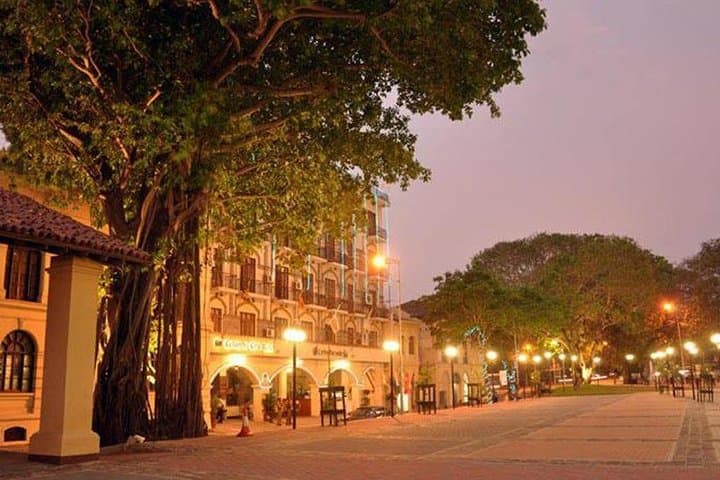
Kelaniya Temple opens the visit with gilded stupas and frescoed walls; devotees light oil lamps while the Maha Oya river nearby gives the place a slow, steady breath. From there the route threads through Colombo’s colonial grid — a Dutch Hospital complex retooled as cafés, a 100‑year clock tower that marks the old trading quarter, and the crowded, color-streaked Pettah Bazaar where spice stalls and narrow lanes define urban commerce.
Geology here is coastal plain: low elevation, sandy fills and reclaimed land where Lotus Tower rises like a modern watchtower above reclaimed foreshore. Culturally the city is diverse — Buddhist temples, Hindu kovils, mosques and churches sit within blocks of each other, reflecting Sri Lanka’s plural traditions.
Practical side: expect short walks with uneven pavements, temple dress codes (shoulders and knees covered), and plenty of photo stops. Midday heat can be strong — plan water, sun protection and breathable clothing. The excursion runs about 3–4 hours with private transport and port pickup; small groups sometimes combine into larger bookings. Time your visit in the cooler morning or late afternoon to avoid the harsh light and busiest market windows. This is an efficient primer to Colombo’s visual and cultural highlights — brisk, sensory, and easy on fitness while rich in local detail.
easy.
3–4 hours.
Suitable for most fitness levels; requires standing and short walks on uneven surfaces.
Pickup is from the Colombo port passenger terminal; confirm your tender arrival time and pickup point when you book.
Most temple visits are free, though donations are customary; photography rules vary by shrine—follow signage and staff instructions.
The tour uses an air‑conditioned vehicle but several sites have steps and uneven surfaces; accessibility may be limited—check with the operator in advance.
The booking notes a minimum of 14 people for this particular departure, so confirm your trip’s status before disembarking.
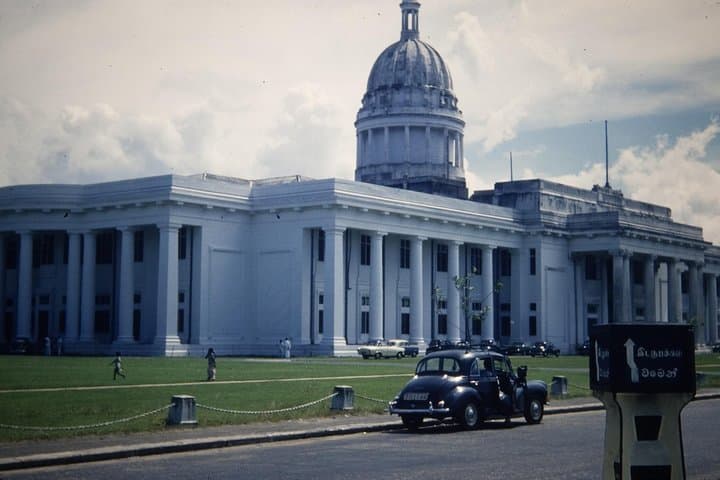
Colombo grew as a trading port under Portuguese, Dutch and British control; Kelaniya Temple is an important Buddhist pilgrimage site linked to legends of the Buddha’s visit to Sri Lanka.
Visitors should avoid single-use plastics, respect temple grounds, and stay on marked paths to reduce wear on historic sites and coastal vegetation.
Kamvelta Travels & Tours operates guided outdoor trips and adventures with an emphasis on safety, stewardship, and memorable experiences.
Stepping off the cruise tender, the city unfurls: sea spray and traffic sounds mix with the distant chime of temple bells as an air‑conditioned vehicle eases away from Colombo Port. The tour moves fast — a compact sweep of religious sites, colonial remnants and waterfront promenades that maps the city's layered history onto a single afternoon.
Stepping off the cruise tender, the city unfurls: sea spray and traffic sounds mix with the distant chime of temple bells as an air‑conditioned vehicle eases away from Colombo Port. The tour moves fast — a compact sweep of religious sites, colonial remnants and waterfront promenades that maps the city's layered history onto a single afternoon.
Kelaniya Temple opens the visit with gilded stupas and frescoed walls; devotees light oil lamps while the Maha Oya river nearby gives the place a slow, steady breath. From there the route threads through Colombo’s colonial grid — a Dutch Hospital complex retooled as cafés, a 100‑year clock tower that marks the old trading quarter, and the crowded, color-streaked Pettah Bazaar where spice stalls and narrow lanes define urban commerce.
Geology here is coastal plain: low elevation, sandy fills and reclaimed land where Lotus Tower rises like a modern watchtower above reclaimed foreshore. Culturally the city is diverse — Buddhist temples, Hindu kovils, mosques and churches sit within blocks of each other, reflecting Sri Lanka’s plural traditions.
Practical side: expect short walks with uneven pavements, temple dress codes (shoulders and knees covered), and plenty of photo stops. Midday heat can be strong — plan water, sun protection and breathable clothing. The excursion runs about 3–4 hours with private transport and port pickup; small groups sometimes combine into larger bookings. Time your visit in the cooler morning or late afternoon to avoid the harsh light and busiest market windows. This is an efficient primer to Colombo’s visual and cultural highlights — brisk, sensory, and easy on fitness while rich in local detail.