THE ADVENTURE COLLECTIVE® · Independent discovery and booking for outdoor travel

A brisk shore excursion that pairs the sacred hush of Kelaniya Temple with Colombo’s colonial streets, markets and seaside promenades. Ideal for cruise passengers looking to sample history, culture and shopping in a single, well-paced half day.
A brisk shore excursion that pairs the sacred hush of Kelaniya Temple with Colombo’s colonial streets, markets and seaside promenades. Ideal for cruise passengers looking to sample history, culture and shopping in a single, well-paced half day.
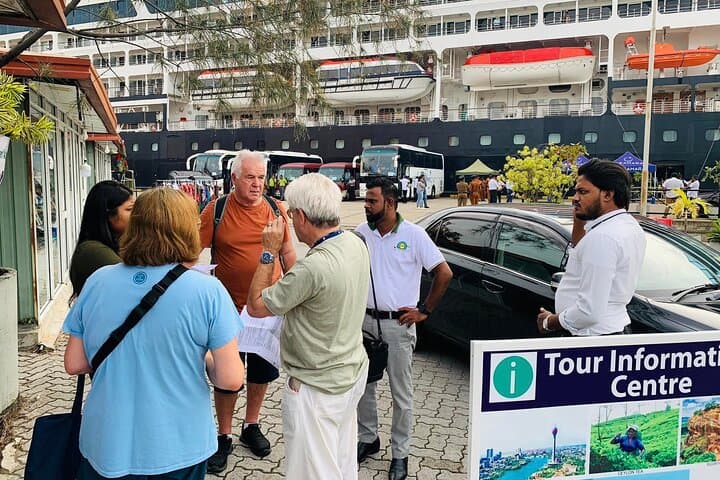
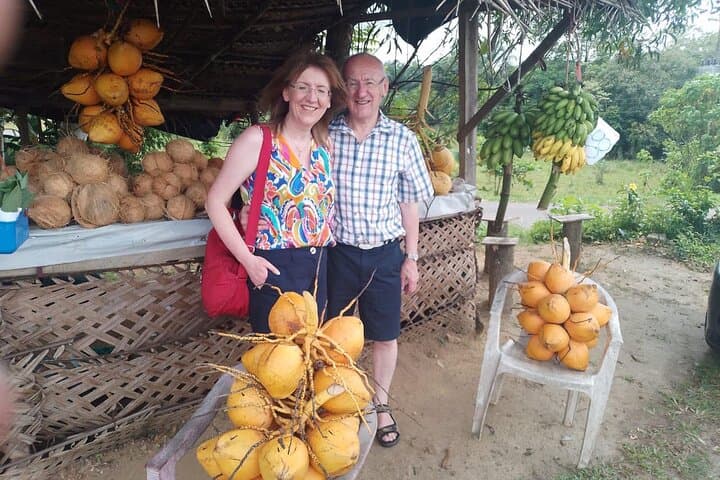
You step off the ship into humid Colombo air, airport cranes and coconut palms framing the harbor. The city moves with a brisk, practical rhythm—rickshaws weaving through traffic, vendors calling from Pettah, and the road north toward Kelaniya lined with small shrines and commerce. The tour slips between calm temple courtyards and the city’s colonially scarred stone facades, offering a compact, readable slice of Sri Lanka.
Verified experiences and guided adventures in the surrounding area.
Operated by Kamvelta Travels & Tours · Colombo, Western Province
You step off the ship into humid Colombo air, airport cranes and coconut palms framing the harbor. The city moves with a brisk, practical rhythm—rickshaws weaving through traffic, vendors calling from Pettah, and the road north toward Kelaniya lined with small shrines and commerce. The tour slips between calm temple courtyards and the city’s colonially scarred stone facades, offering a compact, readable slice of Sri Lanka.
Kelaniya Raja Maha Vihara is quiet and ceremonial: gilded Buddha images, lacquered drums, and frescoes that signal a long Buddhist lineage—local lore holds the site was visited by the Buddha. Colombo itself bears layers of history from Portuguese, Dutch and British rule, visible in the Dutch Hospital arcade, the Old Parliament, and the Victorian clock tower. Geologically, the coastal plain is reclaimed from lagoon and marsh, which explains Beira Lake and the low, mangrove-touched shoreline at Galle Face Green.
Culture here is public and performative—temples require modest dress and quiet respect, bazaars require sharpness with your purchases. Photographs capture carved stone and modern towers like Lotus Tower, but sound—the call to prayer, temple bells, street bargaining—gives the place its tempo.
Practical guidance: expect 4–5 hours with multiple short stops, most travel by air-conditioned vehicle; bring a scarf to cover shoulders and knees for temple visits, carry small cash for Pettah market purchases, and allow time buffers for Colombo traffic when returning to the port. The route is low-impact physically but high on sensory detail—an efficient primer on Greater Colombo for cruise passengers with only a few hours ashore.
easy.
4–5 hours.
Suitable for most fitness levels; mostly short walks, some temple steps and market browsing.
Shoes must be removed at most Buddhist temples and some shrine areas; you can keep them on in outdoor public sites like Galle Face Green.
The operator lists wheelchair accessibility and the vehicle is air-conditioned, but some older buildings and temple steps may limit access—confirm specific needs when booking.
Yes—itineraries include a stop in Pettah Bazaar for shopping, but bargaining and browsing time is limited within a half-day schedule.
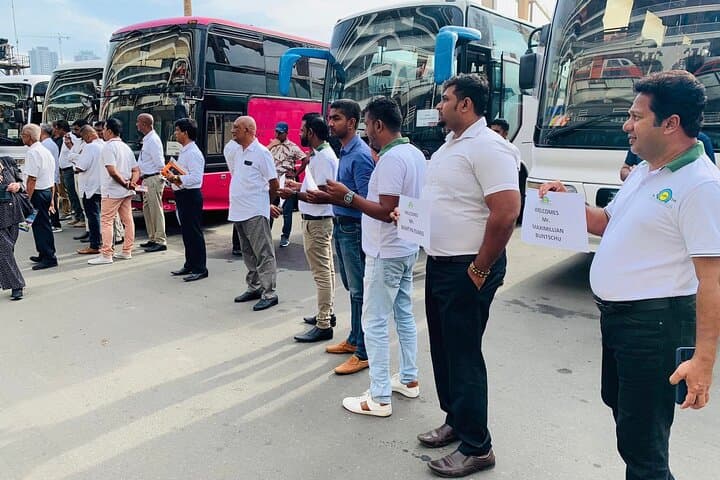
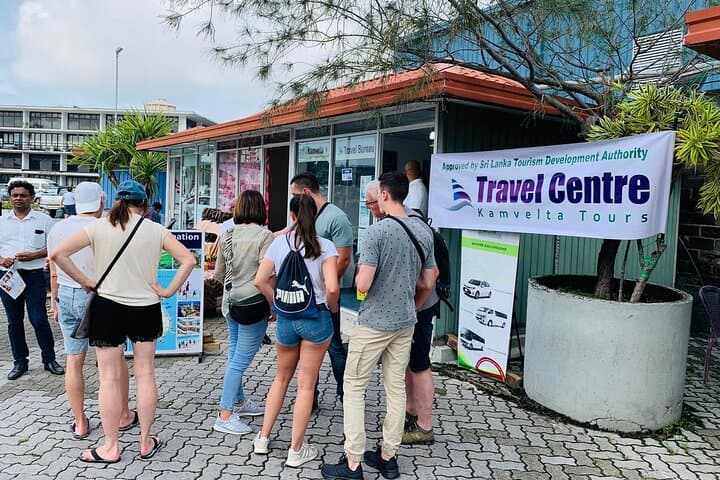
The tour operator meets passengers inside the Colombo Port Passenger Terminal and will page your name; confirm pickup point and ship arrival time when you book.
Colombo grew as a trading entrepôt under Portuguese, Dutch and British rule; Kelaniya Temple is a major Buddhist site linked in tradition to an early visit by the Buddha and centuries of local devotion.
Coastal development and plastic pollution are active concerns—visitors can help by avoiding single-use plastics and supporting local clean-up initiatives and respectful temple practices.
Kamvelta Travels & Tours operates guided outdoor trips and adventures with an emphasis on safety, stewardship, and memorable experiences.
You step off the ship into humid Colombo air, airport cranes and coconut palms framing the harbor. The city moves with a brisk, practical rhythm—rickshaws weaving through traffic, vendors calling from Pettah, and the road north toward Kelaniya lined with small shrines and commerce. The tour slips between calm temple courtyards and the city’s colonially scarred stone facades, offering a compact, readable slice of Sri Lanka.
You step off the ship into humid Colombo air, airport cranes and coconut palms framing the harbor. The city moves with a brisk, practical rhythm—rickshaws weaving through traffic, vendors calling from Pettah, and the road north toward Kelaniya lined with small shrines and commerce. The tour slips between calm temple courtyards and the city’s colonially scarred stone facades, offering a compact, readable slice of Sri Lanka.
Kelaniya Raja Maha Vihara is quiet and ceremonial: gilded Buddha images, lacquered drums, and frescoes that signal a long Buddhist lineage—local lore holds the site was visited by the Buddha. Colombo itself bears layers of history from Portuguese, Dutch and British rule, visible in the Dutch Hospital arcade, the Old Parliament, and the Victorian clock tower. Geologically, the coastal plain is reclaimed from lagoon and marsh, which explains Beira Lake and the low, mangrove-touched shoreline at Galle Face Green.
Culture here is public and performative—temples require modest dress and quiet respect, bazaars require sharpness with your purchases. Photographs capture carved stone and modern towers like Lotus Tower, but sound—the call to prayer, temple bells, street bargaining—gives the place its tempo.
Practical guidance: expect 4–5 hours with multiple short stops, most travel by air-conditioned vehicle; bring a scarf to cover shoulders and knees for temple visits, carry small cash for Pettah market purchases, and allow time buffers for Colombo traffic when returning to the port. The route is low-impact physically but high on sensory detail—an efficient primer on Greater Colombo for cruise passengers with only a few hours ashore.