THE ADVENTURE COLLECTIVE® · Independent discovery and booking for outdoor travel

Zip through Colombo’s layered streets on a four‑hour scooter tour that hits temples, markets and seaside promenades. Perfect for travelers who want local flavor, quick stops, and an efficient city orientation.
Zip through Colombo’s layered streets on a four‑hour scooter tour that hits temples, markets and seaside promenades. Perfect for travelers who want local flavor, quick stops, and an efficient city orientation.
You kick the scooter into a steady hum and the city opens up — salt on the breeze from the Indian Ocean, street hawkers calling across Pettah, and colonial facades sliding past like pages in a travelogue. On a four-hour loop through Colombo you move faster than foot traffic but slow enough to smell cinnamon and tea stalls, to pause at a mosque’s red-and-white facade or a Dutch-era church with sun-faded stones.
Verified experiences and guided adventures in the surrounding area.
Operated by Orwell Ceylon Tours By Tuk Tuk · Colombo, Colombo
You kick the scooter into a steady hum and the city opens up — salt on the breeze from the Indian Ocean, street hawkers calling across Pettah, and colonial facades sliding past like pages in a travelogue. On a four-hour loop through Colombo you move faster than foot traffic but slow enough to smell cinnamon and tea stalls, to pause at a mosque’s red-and-white facade or a Dutch-era church with sun-faded stones.
Colombo’s streets trace centuries of trade: Portuguese and Dutch forts, British municipal architecture, and the modern sweep of Port City. The city sits on low coastal plains carved from ancient shorelines; mangrove channels and the Beira Lake once shaped where neighborhoods grew. Culture here is public and layered — Buddhist temples, Hindu kovils, mosques and colonial halls exist block to block.
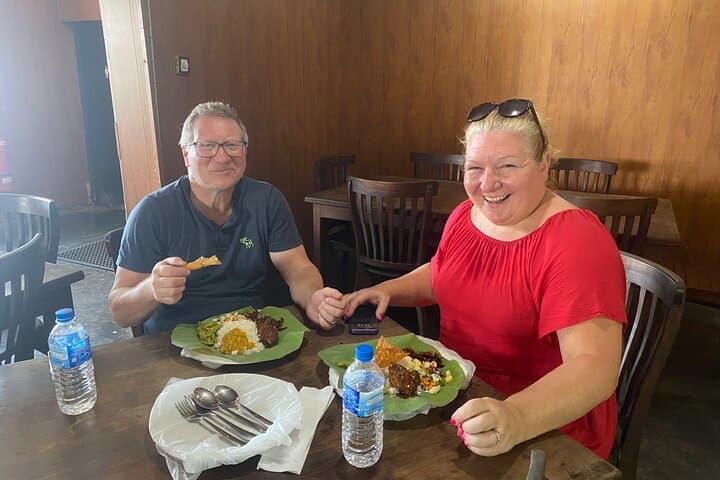
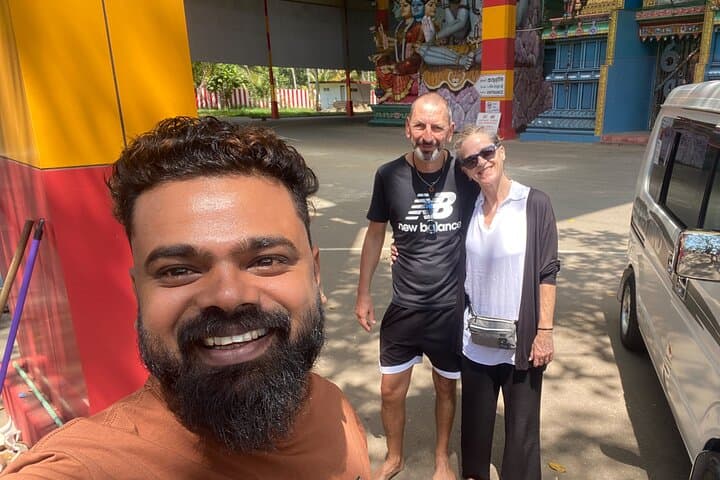
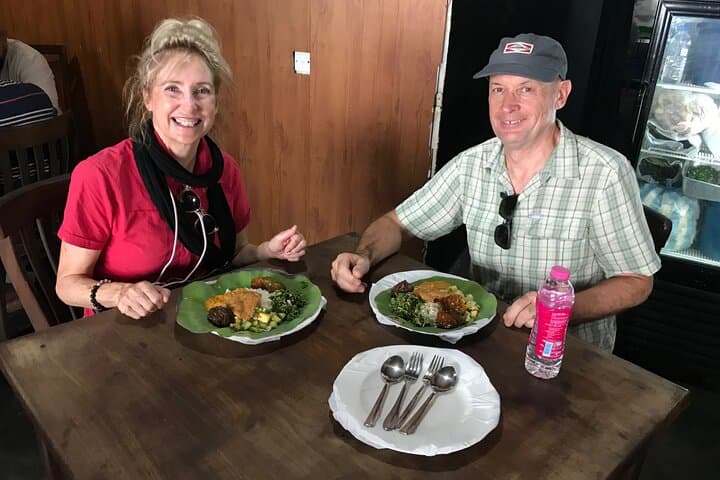
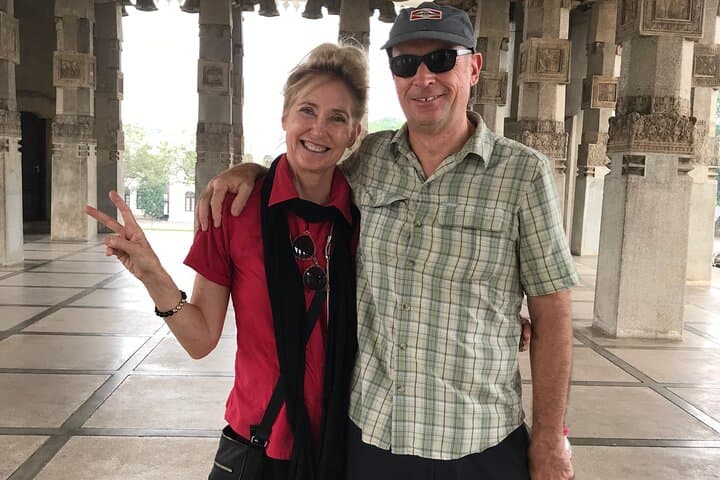
Expect frequent stops: Gangaramaya Temple, Pettah market alleys, the Old Town Hall, and Galle Face Green, each a glimpse of Colombo’s daily rhythm. Local guides point out architectural details and point you to a tea stop or a roadside kottu shop where flavors are immediate and cheap.
Practical edge: wear closed shoes, keep a light rain layer for sudden squalls, and carry cash for small entrance fees and snacks. Riders should be comfortable with city traffic, basic scooter handling, and a helmet. Morning rides are cooler and better for photos; evenings let the city glow under street lamps and market lights. The tour balances mobility and intimacy — you see more than a walking tour but remain rooted in the city’s pulse.
easy.
4 hours.
Suitable for people comfortable sitting on a scooter and getting on/off a few times; basic balance and mobility required.
Operators typically provide a driver/guide who drives the private tuk-tuk or scooter; if you plan to drive yourself, bring a valid international or Sri Lankan motorcycle license and check with the operator in advance.
Most tours provide helmets and an English-speaking guide; confirm helmet availability and size when booking.
The tour is generally suitable for most ages but is not recommended for pregnant travelers or those with spinal/serious heart conditions — check the booking restrictions.
Typical inclusions are private transport (tuk-tuk or scooter), bottled water, select entry fees, and a stop for tea/coffee and a Sri Lankan meal; confirm details with the operator.
Colombo grew as an Indian Ocean trading hub under Portuguese, Dutch and British rule; many public buildings and fort-area streets reflect that colonial layering.
Coastal development and urban waste are ongoing challenges; support local green initiatives, avoid single-use plastics, and follow guides’ directions to minimize impact.
Orwell Ceylon Tours By Tuk Tuk operates guided outdoor trips and adventures with an emphasis on safety, stewardship, and memorable experiences.
You kick the scooter into a steady hum and the city opens up — salt on the breeze from the Indian Ocean, street hawkers calling across Pettah, and colonial facades sliding past like pages in a travelogue. On a four-hour loop through Colombo you move faster than foot traffic but slow enough to smell cinnamon and tea stalls, to pause at a mosque’s red-and-white facade or a Dutch-era church with sun-faded stones.
You kick the scooter into a steady hum and the city opens up — salt on the breeze from the Indian Ocean, street hawkers calling across Pettah, and colonial facades sliding past like pages in a travelogue. On a four-hour loop through Colombo you move faster than foot traffic but slow enough to smell cinnamon and tea stalls, to pause at a mosque’s red-and-white facade or a Dutch-era church with sun-faded stones.
Colombo’s streets trace centuries of trade: Portuguese and Dutch forts, British municipal architecture, and the modern sweep of Port City. The city sits on low coastal plains carved from ancient shorelines; mangrove channels and the Beira Lake once shaped where neighborhoods grew. Culture here is public and layered — Buddhist temples, Hindu kovils, mosques and colonial halls exist block to block.
Expect frequent stops: Gangaramaya Temple, Pettah market alleys, the Old Town Hall, and Galle Face Green, each a glimpse of Colombo’s daily rhythm. Local guides point out architectural details and point you to a tea stop or a roadside kottu shop where flavors are immediate and cheap.
Practical edge: wear closed shoes, keep a light rain layer for sudden squalls, and carry cash for small entrance fees and snacks. Riders should be comfortable with city traffic, basic scooter handling, and a helmet. Morning rides are cooler and better for photos; evenings let the city glow under street lamps and market lights. The tour balances mobility and intimacy — you see more than a walking tour but remain rooted in the city’s pulse.