THE ADVENTURE COLLECTIVE® · Independent discovery and booking for outdoor travel

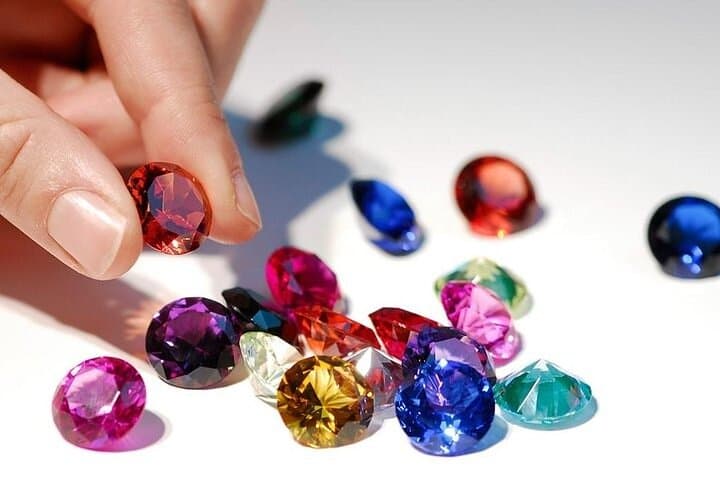
A compact, three‑hour private shore excursion from Colombo’s passenger terminal that pairs colonial architecture, lakeside temples and bustling markets with dedicated shopping stops for gems and tea. Ideal for cruise passengers wanting a fast, curated city view.
A compact, three‑hour private shore excursion from Colombo’s passenger terminal that pairs colonial architecture, lakeside temples and bustling markets with dedicated shopping stops for gems and tea. Ideal for cruise passengers wanting a fast, curated city view.
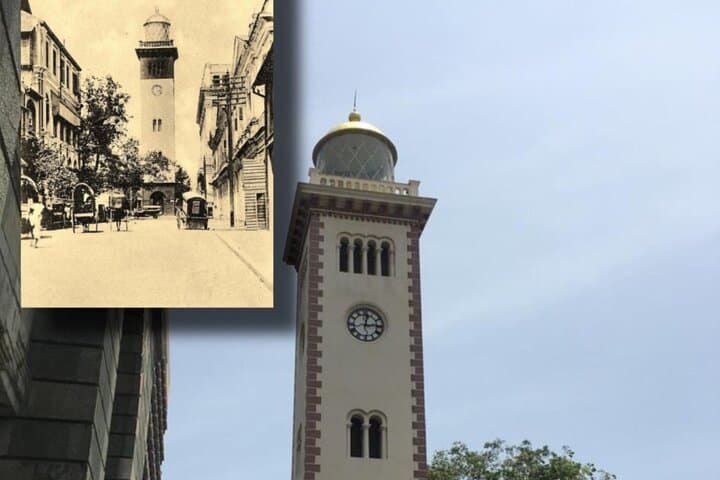
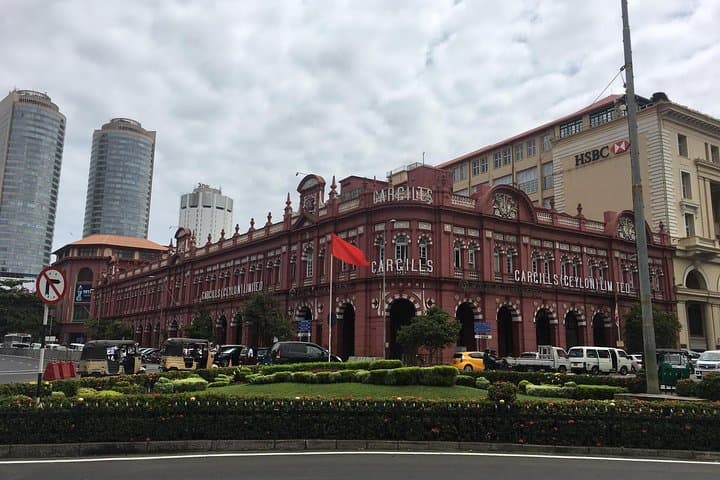
The salt breeze off the Indian Ocean collides with city traffic as a private minivan slips away from Colombo’s passenger terminal. Within minutes, the tour threads through colonial façades and modern glass, bringing the city’s different eras into sharp relief — a 100‑year‑old clock tower watching over merchants, a bright red mosque announcing the Pettah bazaar, and the low, reflective calm of Beira Lake.
Verified experiences and guided adventures in the surrounding area.
Operated by Colombo City Boy · Colombo, Western Province
The salt breeze off the Indian Ocean collides with city traffic as a private minivan slips away from Colombo’s passenger terminal. Within minutes, the tour threads through colonial façades and modern glass, bringing the city’s different eras into sharp relief — a 100‑year‑old clock tower watching over merchants, a bright red mosque announcing the Pettah bazaar, and the low, reflective calm of Beira Lake.
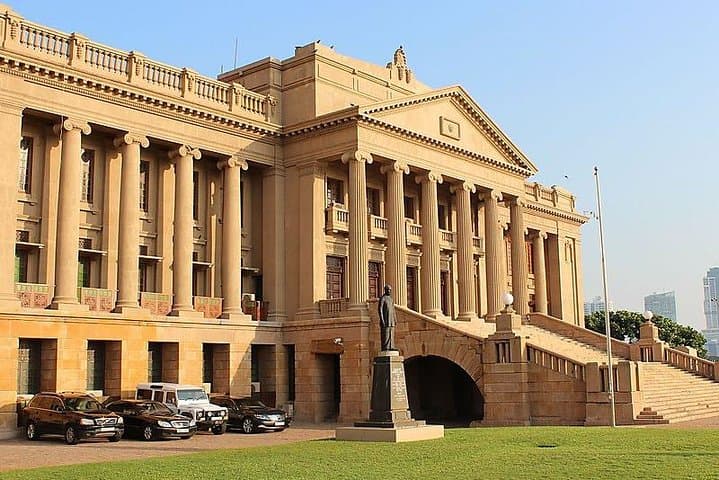
Colombo sits on a coastal plain of alluvial sand and reclaimed marshes; its streets trace Portuguese, Dutch and British influence visible in gabled roofs, shuttered windows and civic halls. The Seema Malaka meditation platforms on Beira Lake offer a quiet counterpoint to the market’s commerce, while Galle Face Green unrolls like a public lung where the ocean wind dares kite flyers and families alike.
Culturally, the route showcases Sri Lanka’s pluralism: Buddhist viharayas, Hindu kovils, mosques and colonial churches often stand block to block. Local gem workshops and the Dutch Hospital precinct represent the island’s long trade in spices, gems and Ceylon tea — industries that shaped Colombo’s identity.
Practical guidance: the private, air‑conditioned drive covers key stops in about three hours; dress smart casual for temples and respect shoe/removal rules. Carry small local currency for bargaining in Pettah, keep passports or cruise documents handy for port re‑entry, and allow buffer time to return to the ship. Hydrate between stops and pick comfortable shoes — you’ll zigzag between sidewalks, temple platforms and market stalls. This compact excursion mixes architectural history, waterfront calm and hands‑on shopping in a format that’s ideal for time‑pressed travelers arriving by sea.
easy.
3 hours.
Low — suitable for most fitness levels; involves short walks and standing periods at markets and viewpoints
Most temples accept voluntary donations rather than fixed entrance fees, though some sites like Gangaramaya may request a small contribution; bring small cash.
Yes — the itinerary is built for a three‑hour window and returns to Colombo’s passenger terminal; always factor in a buffer for port formalities and traffic.
The tour includes reputable gem warehouses and tea shops, but for higher‑value purchases ask for certificates and check return policies before buying.
Accessibility varies: main roads and shopping precincts are generally navigable but some temple platforms and market alleys have steps or uneven surfaces; notify organizers if accessibility support is required.
Colombo’s layout reflects layers of colonial occupation — Portuguese, Dutch and British trading interests left civic buildings, forts and shopping lanes that define the city’s core streets today.
Urban green spaces like Viharamahadevi Park and Beira Lake are important for local biodiversity; visitors should avoid littering and support vendors who use minimal packaging.
Colombo City Boy operates guided outdoor trips and adventures with an emphasis on safety, stewardship, and memorable experiences.
The salt breeze off the Indian Ocean collides with city traffic as a private minivan slips away from Colombo’s passenger terminal. Within minutes, the tour threads through colonial façades and modern glass, bringing the city’s different eras into sharp relief — a 100‑year‑old clock tower watching over merchants, a bright red mosque announcing the Pettah bazaar, and the low, reflective calm of Beira Lake.
The salt breeze off the Indian Ocean collides with city traffic as a private minivan slips away from Colombo’s passenger terminal. Within minutes, the tour threads through colonial façades and modern glass, bringing the city’s different eras into sharp relief — a 100‑year‑old clock tower watching over merchants, a bright red mosque announcing the Pettah bazaar, and the low, reflective calm of Beira Lake.
Colombo sits on a coastal plain of alluvial sand and reclaimed marshes; its streets trace Portuguese, Dutch and British influence visible in gabled roofs, shuttered windows and civic halls. The Seema Malaka meditation platforms on Beira Lake offer a quiet counterpoint to the market’s commerce, while Galle Face Green unrolls like a public lung where the ocean wind dares kite flyers and families alike.
Culturally, the route showcases Sri Lanka’s pluralism: Buddhist viharayas, Hindu kovils, mosques and colonial churches often stand block to block. Local gem workshops and the Dutch Hospital precinct represent the island’s long trade in spices, gems and Ceylon tea — industries that shaped Colombo’s identity.
Practical guidance: the private, air‑conditioned drive covers key stops in about three hours; dress smart casual for temples and respect shoe/removal rules. Carry small local currency for bargaining in Pettah, keep passports or cruise documents handy for port re‑entry, and allow buffer time to return to the ship. Hydrate between stops and pick comfortable shoes — you’ll zigzag between sidewalks, temple platforms and market stalls. This compact excursion mixes architectural history, waterfront calm and hands‑on shopping in a format that’s ideal for time‑pressed travelers arriving by sea.