THE ADVENTURE COLLECTIVE® · Independent discovery and booking for outdoor travel

Walk Pettah’s narrow spice alleys, buy fresh produce with a local cook and learn to make coconut roti and curries in a hands‑on class. This private, four‑hour market tour plus cooking experience gives a practical window into Colombo’s street flavors and home cooking.
Walk Pettah’s narrow spice alleys, buy fresh produce with a local cook and learn to make coconut roti and curries in a hands‑on class. This private, four‑hour market tour plus cooking experience gives a practical window into Colombo’s street flavors and home cooking.
You step out of a tuk‑tuk into the hum of Pettah market: traders calling, sacks of spices spilling scents of cinnamon and cardamom, and vendors arranging coconuts and fresh greens on wooden stalls. This four‑hour experience moves from the market alleys into a compact kitchen where knives, mortar and pestle, and a hot stove convert street ingredients into coconut roti, sambols, and curry.
Verified experiences and guided adventures in the surrounding area.
Operated by Colombo Cooking Class · Colombo, Western Province
You step out of a tuk‑tuk into the hum of Pettah market: traders calling, sacks of spices spilling scents of cinnamon and cardamom, and vendors arranging coconuts and fresh greens on wooden stalls. This four‑hour experience moves from the market alleys into a compact kitchen where knives, mortar and pestle, and a hot stove convert street ingredients into coconut roti, sambols, and curry.
Pettah is Colombo’s old trading quarter—layers of Portuguese, Dutch and British influence sit alongside Tamil and Muslim merchant communities. The market’s layout follows the port-driven growth of the 19th century, its architecture pragmatic and dense. Geologically the area is reclaimed coastal plain, so expect flat streets and tight lanes rather than elevation or trail features. The real geology is cultural: food traditions that mix South Indian chutneys, Malay spices and Sinhala home cooking.
Practical guidance: tours start early to catch morning produce (this one runs about four hours and includes lunch). Wear closed-toe shoes for uneven alleys, bring small change for incidental purchases, and pack a lightweight rain jacket during the southwest monsoon (May–Sept). The class is hands-on—prepare to chop, grind and sauté under instructor supervision; basic knife skills are useful but not required.
Accessibility is strong: the operator notes wheelchair and stroller access and hotel pickup in Colombo. Hydrate in Colombo’s tropical heat, be ready for busy streets, and allow an extra hour in your schedule for traffic if you’re returning to a hotel or airport.
easy.
4 hours.
Light walking on flat but crowded market streets; basic mobility needed to stand during the cooking class.
The operator offers pickup from hotels in Colombo for this private tour—confirm pickup details at booking.
Yes—communicate allergies or dietary preferences when booking and the instructor will adapt recipes where possible.
The provider states the experience is wheelchair and stroller accessible, though some market alleys can be crowded—advance notice helps with logistics.
Tours in Colombo commonly use English; confirm language needs with the operator when reserving.
Pettah developed as Colombo’s trading hub during colonial expansion; its market reflects centuries of maritime trade and multiethnic merchant communities.
Support local vendors and avoid single-use plastics; buy produce loose or in reusable bags and minimize food waste from the cooking class.
Colombo Cooking Class operates guided outdoor trips and adventures with an emphasis on safety, stewardship, and memorable experiences.
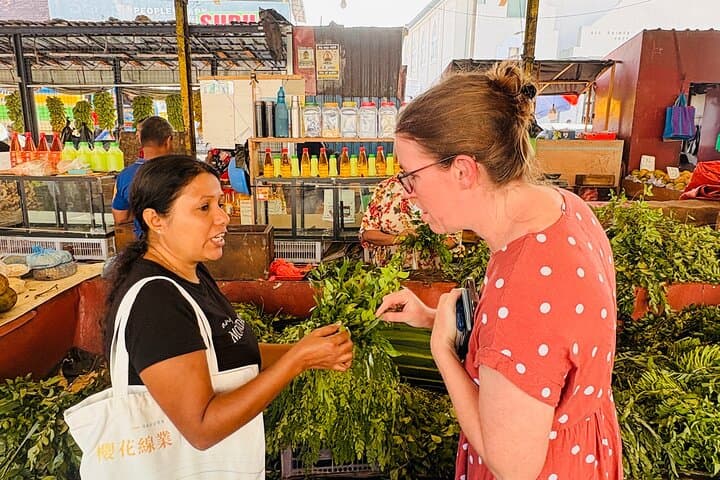
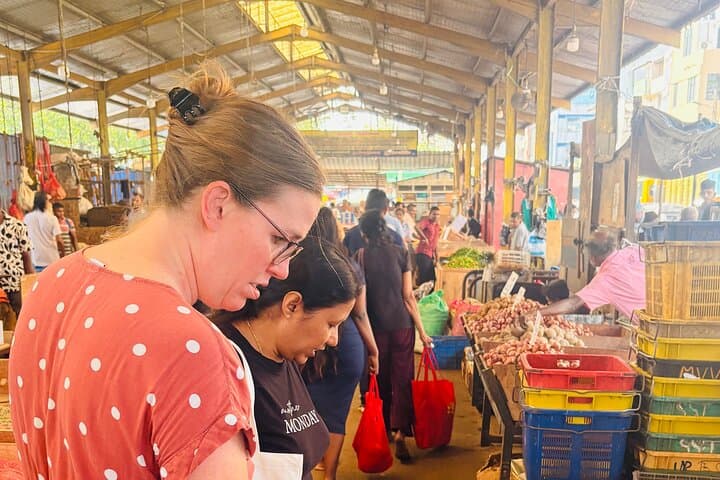
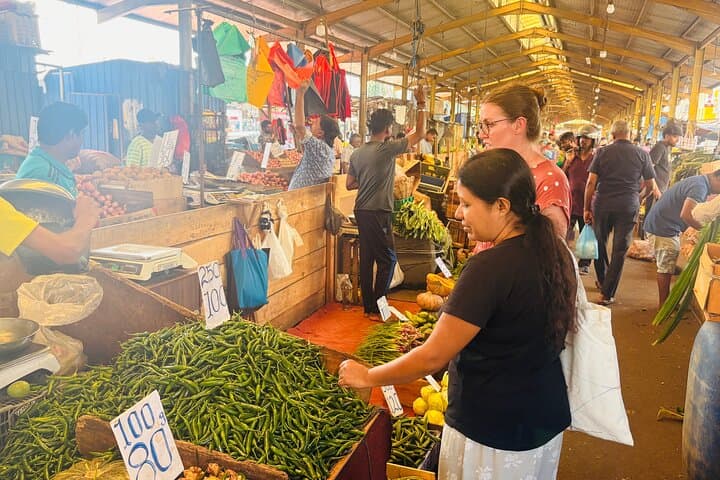
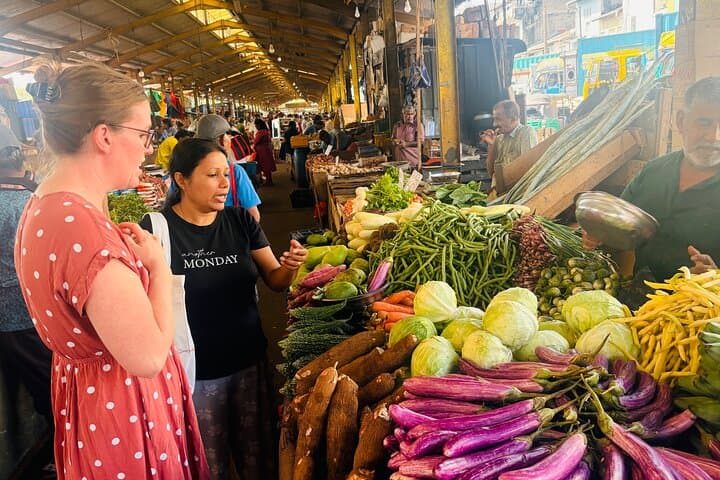
You step out of a tuk‑tuk into the hum of Pettah market: traders calling, sacks of spices spilling scents of cinnamon and cardamom, and vendors arranging coconuts and fresh greens on wooden stalls. This four‑hour experience moves from the market alleys into a compact kitchen where knives, mortar and pestle, and a hot stove convert street ingredients into coconut roti, sambols, and curry.
You step out of a tuk‑tuk into the hum of Pettah market: traders calling, sacks of spices spilling scents of cinnamon and cardamom, and vendors arranging coconuts and fresh greens on wooden stalls. This four‑hour experience moves from the market alleys into a compact kitchen where knives, mortar and pestle, and a hot stove convert street ingredients into coconut roti, sambols, and curry.
Pettah is Colombo’s old trading quarter—layers of Portuguese, Dutch and British influence sit alongside Tamil and Muslim merchant communities. The market’s layout follows the port-driven growth of the 19th century, its architecture pragmatic and dense. Geologically the area is reclaimed coastal plain, so expect flat streets and tight lanes rather than elevation or trail features. The real geology is cultural: food traditions that mix South Indian chutneys, Malay spices and Sinhala home cooking.
Practical guidance: tours start early to catch morning produce (this one runs about four hours and includes lunch). Wear closed-toe shoes for uneven alleys, bring small change for incidental purchases, and pack a lightweight rain jacket during the southwest monsoon (May–Sept). The class is hands-on—prepare to chop, grind and sauté under instructor supervision; basic knife skills are useful but not required.
Accessibility is strong: the operator notes wheelchair and stroller access and hotel pickup in Colombo. Hydrate in Colombo’s tropical heat, be ready for busy streets, and allow an extra hour in your schedule for traffic if you’re returning to a hotel or airport.