THE ADVENTURE COLLECTIVE® · Independent discovery and booking for outdoor travel

Step off your ship and into Colombo’s energetic streets on a 3–4 hour shore excursion that combines colonial architecture, bustling bazaars, and serene temples. Perfect for travelers wanting a compact, guided introduction to the city’s history and highlights.
Step off your ship and into Colombo’s energetic streets on a 3–4 hour shore excursion that combines colonial architecture, bustling bazaars, and serene temples. Perfect for travelers wanting a compact, guided introduction to the city’s history and highlights.
The harbor breeze rolls in off the Indian Ocean and you step from the ship into Colombo’s mosaic: colonial stone, prayer flags, and traffic that hums like a living map.
Verified experiences and guided adventures in the surrounding area.
Operated by Colombo City Boy · Colombo, Western Province
The harbor breeze rolls in off the Indian Ocean and you step from the ship into Colombo’s mosaic: colonial stone, prayer flags, and traffic that hums like a living map.
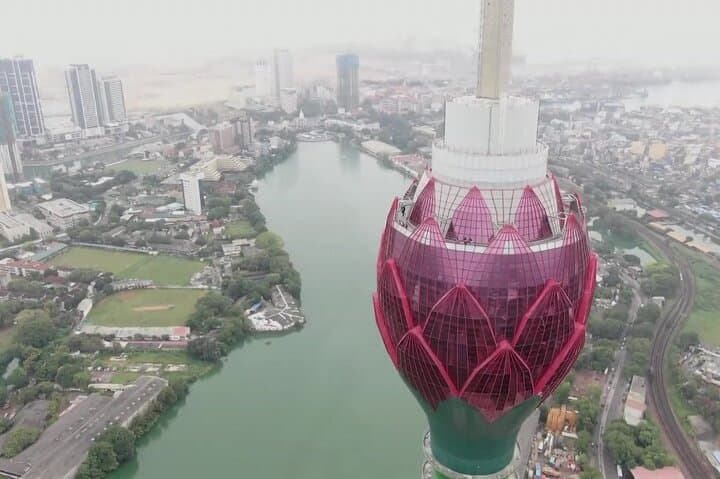
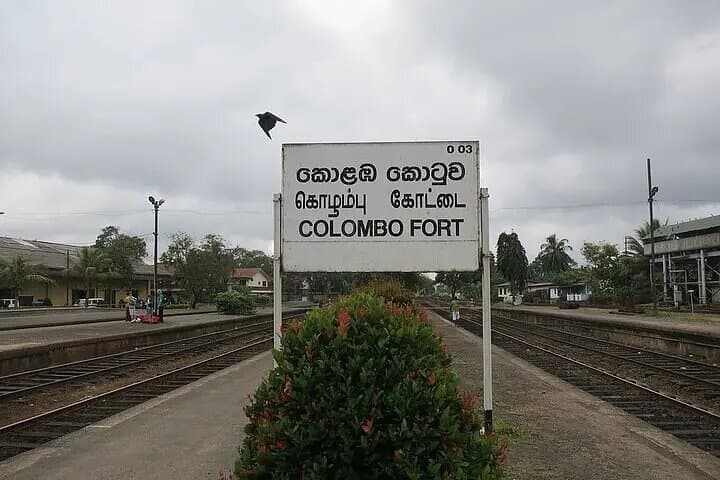
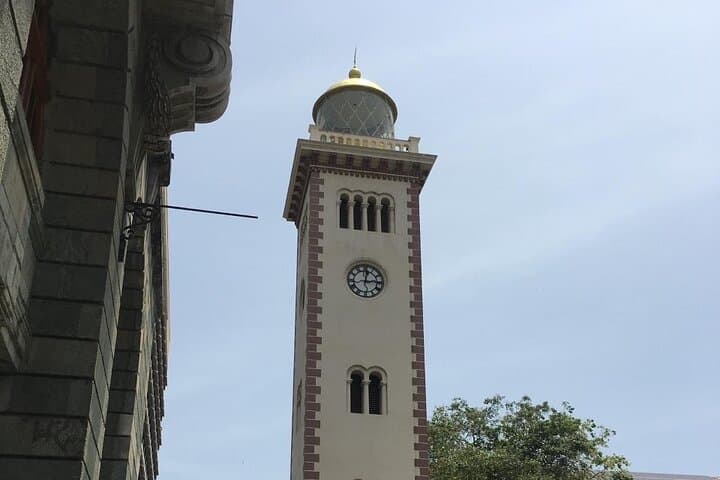
This 3–4 hour shore excursion threads through the city’s layered history — British-built clock towers and Fort precincts, Dutch hospital courtyards, and post-independence civic spaces like Independence Square. Geology fades quickly into human geography here; the port and Beira Lake define routes, while the coastline has long shaped trade and culture. You’ll pass Hindu kovils and Buddhist viharas, the red Jami Ul-Alfar Mosque, and the contemplative Seema Malaka floating on Beira Lake — each site a chapter in Colombo’s plural faith landscape.
Local life is immediate: Pettah’s narrow lanes offer chaotic commerce and colors that demand focused walking, while Galle Face Green opens to the ocean and late-afternoon kite-flying. For context, many of the colonial buildings date from the 19th and early 20th centuries and were central to Colombo’s role as a maritime entrepôt.
Practical guidance: wear comfortable shoes for short walks and uneven pavements, carry a water bottle to beat tropical heat, and dress modestly when visiting religious sites. Traffic can be heavy — allow for transit time between stops. The tour prioritizes quick stops for photos and brief visits at major temples and markets, returning to the port on schedule.
This excursion suits travelers seeking a compact, ground-level introduction to Colombo’s history, architecture, and urban rhythms without the rush of independent navigation.
easy.
3–4 hours.
Suitable for travelers with basic mobility; expect several short walks on uneven pavements and stairs at temples.
The tour runs approximately 3–4 hours (180–240 minutes) and is designed to return guests to Colombo Port before standard cruise boarding times—allowing for typical traffic conditions.
This excursion description lists transport and driver/guide only; most temple visits do not require a fee but museums or special exhibits may need separate tickets.
Yes — the itinerary notes it’s suitable for all fitness levels, though there are short walks and some steps at religious sites; notify the operator of mobility needs when booking.
Smart casual with covered shoulders and knees is recommended; shoes are often removed at temple entrances and modest dress is expected.
Colombo’s visible core grew under Portuguese, Dutch, and British colonial periods; many civic buildings and the Fort area date to the 18th–20th centuries and reflect the city’s role as a trading port.
Respect temple rules and avoid feeding street animals; carry out plastic and use designated bins where available to reduce litter in busy public spaces.
Colombo City Boy operates guided outdoor trips and adventures with an emphasis on safety, stewardship, and memorable experiences.

The harbor breeze rolls in off the Indian Ocean and you step from the ship into Colombo’s mosaic: colonial stone, prayer flags, and traffic that hums like a living map.
The harbor breeze rolls in off the Indian Ocean and you step from the ship into Colombo’s mosaic: colonial stone, prayer flags, and traffic that hums like a living map.
This 3–4 hour shore excursion threads through the city’s layered history — British-built clock towers and Fort precincts, Dutch hospital courtyards, and post-independence civic spaces like Independence Square. Geology fades quickly into human geography here; the port and Beira Lake define routes, while the coastline has long shaped trade and culture. You’ll pass Hindu kovils and Buddhist viharas, the red Jami Ul-Alfar Mosque, and the contemplative Seema Malaka floating on Beira Lake — each site a chapter in Colombo’s plural faith landscape.
Local life is immediate: Pettah’s narrow lanes offer chaotic commerce and colors that demand focused walking, while Galle Face Green opens to the ocean and late-afternoon kite-flying. For context, many of the colonial buildings date from the 19th and early 20th centuries and were central to Colombo’s role as a maritime entrepôt.
Practical guidance: wear comfortable shoes for short walks and uneven pavements, carry a water bottle to beat tropical heat, and dress modestly when visiting religious sites. Traffic can be heavy — allow for transit time between stops. The tour prioritizes quick stops for photos and brief visits at major temples and markets, returning to the port on schedule.
This excursion suits travelers seeking a compact, ground-level introduction to Colombo’s history, architecture, and urban rhythms without the rush of independent navigation.