THE ADVENTURE COLLECTIVE® · Independent discovery and booking for outdoor travel

Market aromas lead into a family kitchen in this hands-on Colombo cooking experience. Learn to grind spices, cook in clay pots and sit down to a multi-course Sri Lankan rice-and-curry feast you helped create.
Market aromas lead into a family kitchen in this hands-on Colombo cooking experience. Learn to grind spices, cook in clay pots and sit down to a multi-course Sri Lankan rice-and-curry feast you helped create.
A spice-scented morning in Colombo begins in a narrow market lane where turmeric and cinnamon crowd the air, daring travelers to taste first. Traders call out over baskets of limes and coconut; a guide points out curry leaves still warm from the sun. The market tour opens the cooking experience, then slides into a family kitchen where clay pots simmer and a stone mortar waits for pounding.
Verified experiences and guided adventures in the surrounding area.
Operated by Safari in Sri Lanka · Colombo, Western Province
A spice-scented morning in Colombo begins in a narrow market lane where turmeric and cinnamon crowd the air, daring travelers to taste first. Traders call out over baskets of limes and coconut; a guide points out curry leaves still warm from the sun. The market tour opens the cooking experience, then slides into a family kitchen where clay pots simmer and a stone mortar waits for pounding.
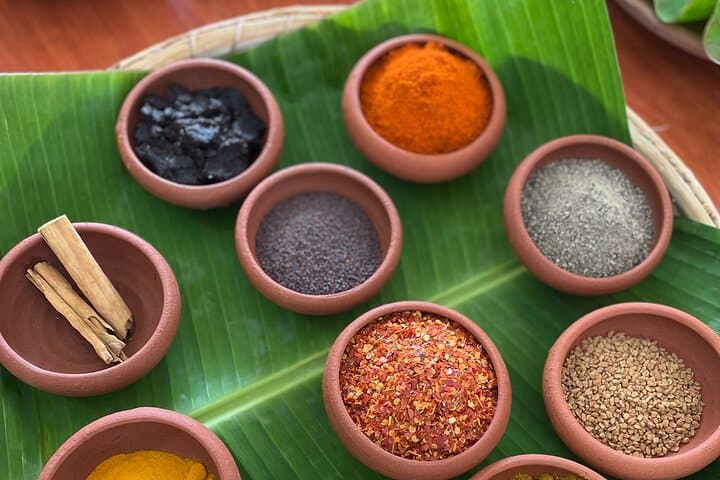
Sri Lanka’s rice-and-curry tradition reflects centuries of trade and local cultivation: island soils and coastal microclimates produced the chilies, cinnamon and coconut that shaped an intense, layered cuisine. The home-kitchen format emphasizes technique—grinding fresh masala, tempering mustard seed, and balancing heat with coconut—while hosts share stories about recipes passed down through generations.
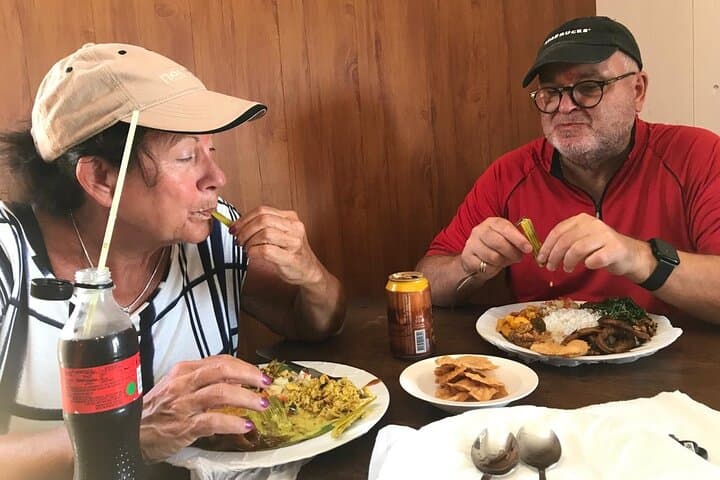
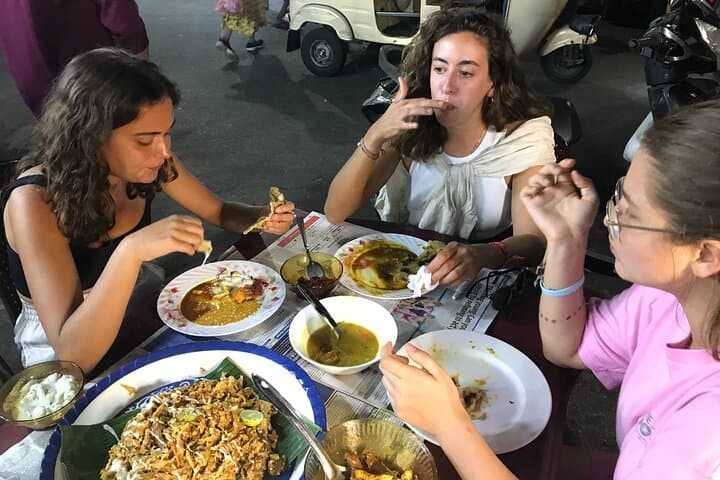
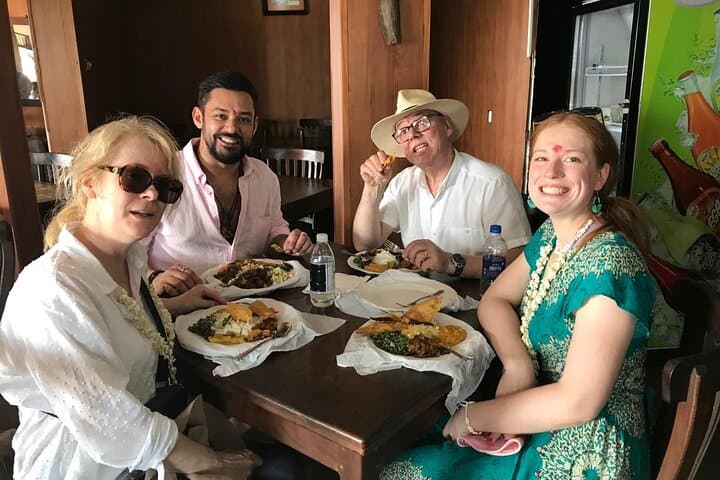
Culturally, the class doubles as a social exchange; guests not only prepare multiple curries and sambols but sit to eat together, learning etiquette and portioning that define Sri Lankan dining. Expect hands-on time, demonstrations of traditional tools, and a market primer on selecting produce.
Practical guidance: the full program runs about five hours and moves from market to kitchen, so wear comfortable shoes and bring a small daypack. Inform the operator of dietary restrictions in advance; many dishes are adaptable. Bring modest cash for market purchases and photos, and plan for humid, tropical weather—light, breathable clothing and a lightweight rain layer are wise. Mobility is generally accessible, but market lanes can be uneven. The experience suits curious cooks and cultural travelers who want a concentrated, practical immersion in Colombo’s foodways.
easy.
5 hours.
Light activity level—comfortable standing, walking short market distances, and kitchen work; minimal fitness required.
Yes—market sights are engaging for children, but keep them close in busy lanes; infants in strollers are accommodated by hosts.
Most hosts can adapt recipes for vegetarian, vegan or milder spice preferences if informed prior to booking.
Logistics vary—many tours ask for a pickup point; confirm transfer options when booking and provide arrival details if requesting pickup.
Many areas are accessible, and operators note wheelchair accessibility; however market lanes may be narrow or uneven—check specific accessibility needs ahead of time.
Sri Lankan rice-and-curry grew from local wet-zone agriculture combined with spices introduced during centuries of Indian Ocean trade and colonial commerce.
Support vendors who use minimal plastic and favor locally sourced produce; small cooking experiences often channel income directly to families and encourage traditional techniques.
Safari in Sri Lanka operates guided outdoor trips and adventures with an emphasis on safety, stewardship, and memorable experiences.
A spice-scented morning in Colombo begins in a narrow market lane where turmeric and cinnamon crowd the air, daring travelers to taste first. Traders call out over baskets of limes and coconut; a guide points out curry leaves still warm from the sun. The market tour opens the cooking experience, then slides into a family kitchen where clay pots simmer and a stone mortar waits for pounding.
A spice-scented morning in Colombo begins in a narrow market lane where turmeric and cinnamon crowd the air, daring travelers to taste first. Traders call out over baskets of limes and coconut; a guide points out curry leaves still warm from the sun. The market tour opens the cooking experience, then slides into a family kitchen where clay pots simmer and a stone mortar waits for pounding.
Sri Lanka’s rice-and-curry tradition reflects centuries of trade and local cultivation: island soils and coastal microclimates produced the chilies, cinnamon and coconut that shaped an intense, layered cuisine. The home-kitchen format emphasizes technique—grinding fresh masala, tempering mustard seed, and balancing heat with coconut—while hosts share stories about recipes passed down through generations.
Culturally, the class doubles as a social exchange; guests not only prepare multiple curries and sambols but sit to eat together, learning etiquette and portioning that define Sri Lankan dining. Expect hands-on time, demonstrations of traditional tools, and a market primer on selecting produce.
Practical guidance: the full program runs about five hours and moves from market to kitchen, so wear comfortable shoes and bring a small daypack. Inform the operator of dietary restrictions in advance; many dishes are adaptable. Bring modest cash for market purchases and photos, and plan for humid, tropical weather—light, breathable clothing and a lightweight rain layer are wise. Mobility is generally accessible, but market lanes can be uneven. The experience suits curious cooks and cultural travelers who want a concentrated, practical immersion in Colombo’s foodways.