THE ADVENTURE COLLECTIVE® · Independent discovery and booking for outdoor travel

See Colombo’s key sites in one efficient half‑day: lakeside ordination spots, a multicultural main temple, bustling Pettah Market and the Lotus Tower view. A private AC car and local guide keep the city’s history and flavor easy to access.
See Colombo’s key sites in one efficient half‑day: lakeside ordination spots, a multicultural main temple, bustling Pettah Market and the Lotus Tower view. A private AC car and local guide keep the city’s history and flavor easy to access.
You step out of the air-conditioned car and the city moves in — rickshaws beep, hawkers call, and the Indian Ocean presses a steady breeze across Galle Face Green, daring you to slow down and look. Over five hours a local guide threads together Colombo’s landmarks: Beira Lake’s quiet water where ordinations once took place; the carved halls of the main Buddhist temple, alive with Chinese, Thai and Indian influences; the busy stalls of Pettah Market; and the rising silhouette of the Lotus Tower that watches the city and sea.
Verified experiences and guided adventures in the surrounding area.
Operated by Olesya Travels PVT Ltd · Colombo, Western Province
You step out of the air-conditioned car and the city moves in — rickshaws beep, hawkers call, and the Indian Ocean presses a steady breeze across Galle Face Green, daring you to slow down and look. Over five hours a local guide threads together Colombo’s landmarks: Beira Lake’s quiet water where ordinations once took place; the carved halls of the main Buddhist temple, alive with Chinese, Thai and Indian influences; the busy stalls of Pettah Market; and the rising silhouette of the Lotus Tower that watches the city and sea.
Colombo’s history is plain in its bones — Portuguese, Dutch and British layers folded into a modern Sri Lankan capital. Geologically the city sits on a coastal plain where tidal currents and the western shoreline shape views of the harbor and beaches. Culturally the city is polyphonic: temples, kovils and mosques stand block by block, and food stalls carry that diversity on a plate.
Practical guidance: this is a low‑effort, private driving tour with short walks at each stop. Expect 10–40 minute visits; wear comfortable shoes for market alleys and temple steps, carry sunscreen and a refillable bottle, and have small bills for souvenirs and temple donations. Midday heat peaks quickly — mornings and late afternoons offer better light and cooler streets. Photography is welcome but follow signs at religious sites and accept small rituals respectfully.
This tour works well as an introduction to Colombo’s layers: historical buildings, waterfront scenes and tactile market life — all reachable within a single half‑day outing.
easy.
5 hours.
Minimal fitness required; short walks on flat urban streets and market alleys.
Yes — the tour provides private transport; confirm your pickup point when booking.
Some sites include admission per the itinerary; check the booking details or ask your guide about any additional entrance costs.
Yes — the operator notes stroller accessibility and the driving portions minimize long walks.
Guides are typically local and often speak English; confirm language needs during booking.
Colombo evolved from a Portuguese fort to a major British administrative center, then into Sri Lanka’s commercial capital — each era left distinctive buildings, roads and public spaces.
Ocean-side crowds and urban growth stress coastal and park areas; choose local businesses, avoid single-use plastics, and respect temple-cleanliness rules to reduce impact.
Olesya Travels PVT Ltd operates guided outdoor trips and adventures with an emphasis on safety, stewardship, and memorable experiences.
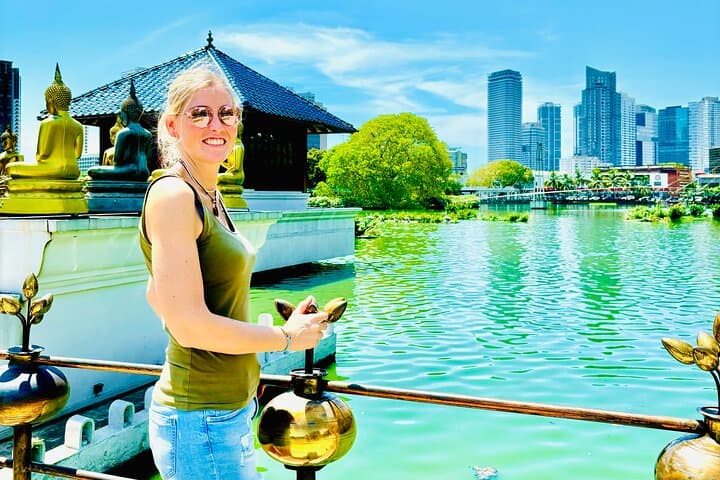
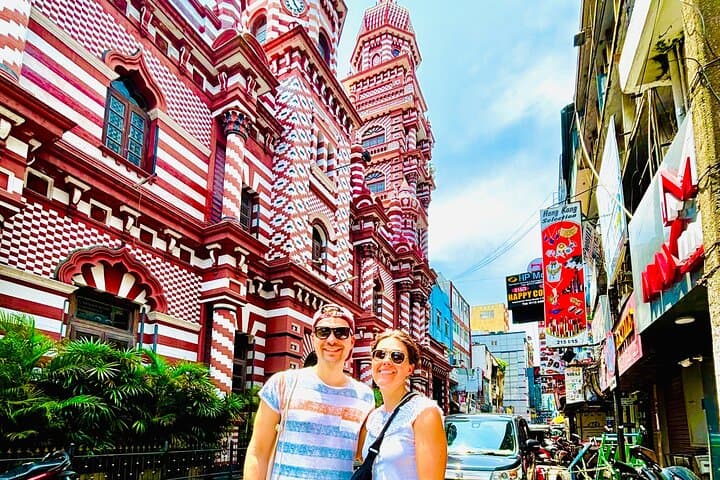
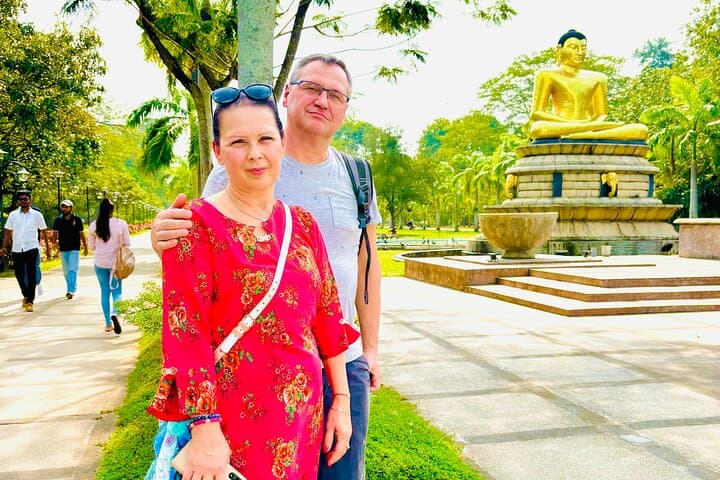
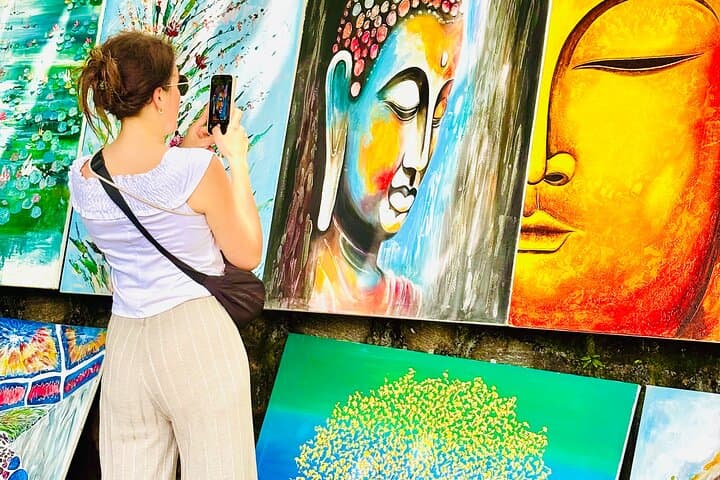
You step out of the air-conditioned car and the city moves in — rickshaws beep, hawkers call, and the Indian Ocean presses a steady breeze across Galle Face Green, daring you to slow down and look. Over five hours a local guide threads together Colombo’s landmarks: Beira Lake’s quiet water where ordinations once took place; the carved halls of the main Buddhist temple, alive with Chinese, Thai and Indian influences; the busy stalls of Pettah Market; and the rising silhouette of the Lotus Tower that watches the city and sea.
You step out of the air-conditioned car and the city moves in — rickshaws beep, hawkers call, and the Indian Ocean presses a steady breeze across Galle Face Green, daring you to slow down and look. Over five hours a local guide threads together Colombo’s landmarks: Beira Lake’s quiet water where ordinations once took place; the carved halls of the main Buddhist temple, alive with Chinese, Thai and Indian influences; the busy stalls of Pettah Market; and the rising silhouette of the Lotus Tower that watches the city and sea.
Colombo’s history is plain in its bones — Portuguese, Dutch and British layers folded into a modern Sri Lankan capital. Geologically the city sits on a coastal plain where tidal currents and the western shoreline shape views of the harbor and beaches. Culturally the city is polyphonic: temples, kovils and mosques stand block by block, and food stalls carry that diversity on a plate.
Practical guidance: this is a low‑effort, private driving tour with short walks at each stop. Expect 10–40 minute visits; wear comfortable shoes for market alleys and temple steps, carry sunscreen and a refillable bottle, and have small bills for souvenirs and temple donations. Midday heat peaks quickly — mornings and late afternoons offer better light and cooler streets. Photography is welcome but follow signs at religious sites and accept small rituals respectfully.
This tour works well as an introduction to Colombo’s layers: historical buildings, waterfront scenes and tactile market life — all reachable within a single half‑day outing.