THE ADVENTURE COLLECTIVE® · Independent discovery and booking for outdoor travel

Ride an open-top double-decker through Colombo’s evening streets, where colonial architecture, waterfront promenades and neighborhood temples reveal the city’s layered history. This 3–3.5 hour tour is an efficient, sensory introduction to Colombo after dark.
Ride an open-top double-decker through Colombo’s evening streets, where colonial architecture, waterfront promenades and neighborhood temples reveal the city’s layered history. This 3–3.5 hour tour is an efficient, sensory introduction to Colombo after dark.
The bus pulls away as the late-afternoon heat loosens its grip, and Colombo begins to shift into a different rhythm: traffic lights blink against glass fronts, fishermen tidy nets along the harbour edge, and Beira Lake cools beneath a lowering sky. From the open-top deck you feel the city move around you — colonial facades sliding past, temple gopurams punctuating the skyline, and the ocean beyond daring the shoreline to hold its edge.
Verified experiences and guided adventures in the surrounding area.
Operated by Colombo City Tours · Colombo, Western Province
The bus pulls away as the late-afternoon heat loosens its grip, and Colombo begins to shift into a different rhythm: traffic lights blink against glass fronts, fishermen tidy nets along the harbour edge, and Beira Lake cools beneath a lowering sky. From the open-top deck you feel the city move around you — colonial facades sliding past, temple gopurams punctuating the skyline, and the ocean beyond daring the shoreline to hold its edge.
Colombo is a layered port city shaped by maritime trade and successive colonial administrations; the tour highlights British-era architecture, compact commercial streets like York Street, and civic landmarks such as the town hall and war memorial. Geologically the area sits on a flat coastal plain at the mouth of the Kelani River, where reclaimed land and tidal influence shaped the harbour and the urban lakes that define central Colombo. Culturally, the route threads Hindu kovils, Buddhist shrines, and commercial hubs that reflect the city’s plural heritage.
Practical guidance: the 3–3.5 hour open-top loop suits travelers who want low-effort orientation with photo stops. Bring a light rain layer—evenings can carry unpredictable showers—and wear comfortable shoes for short disembarks. Expect city traffic; plan pickups and returns with extra time if you have onward travel. Local guides narrate in English and point out shorter walking stretches where you can step down to inspect colonial details, a temple façade, or the Beira Lake promenade at sunset.
This is an accessible, sensory city tour that combines big-picture urban history with the immediacy of streetside life—good for first-time visitors wanting an efficient, atmospheric introduction to Colombo.
easy.
3–3.5 hours.
Minimal fitness required—mostly seated on the bus with a few short, optional walks and stairs to board/deboard.
The advertised start is around 16:00 and the experience runs approximately 3 to 3.5 hours, depending on traffic and stop durations.
Yes—there are planned breaks at safe, public locations but expect limited facilities while on the move; use hotel facilities before boarding if possible.
Infants and small children can ride in strollers; guardians must supervise them during disembarks and on the bus stairs.
Yes—this tour includes live English commentary from a guide who points out landmarks and provides cultural context.
Colombo grew as a strategic port under successive colonial powers; many civic buildings and streets reflect British-era urban design layered over earlier Portuguese and Dutch influence.
Urban growth puts pressure on coastal and lake-edge habitats; support operators that minimize litter, use refillable water where possible, and respect designated green spaces.
Colombo City Tours operates guided outdoor trips and adventures with an emphasis on safety, stewardship, and memorable experiences.
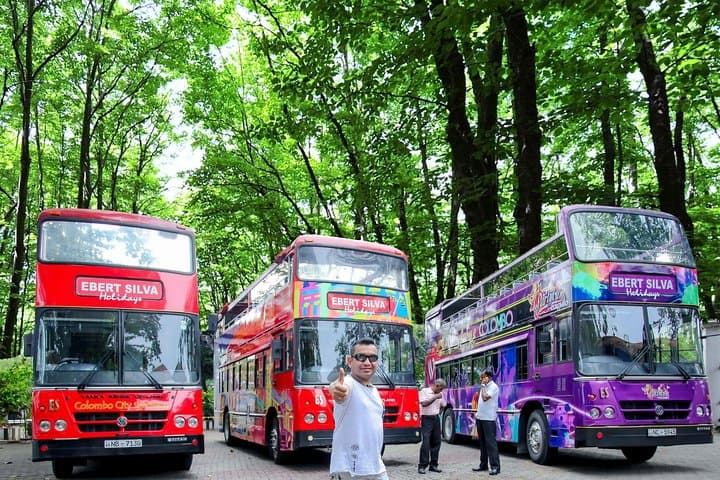
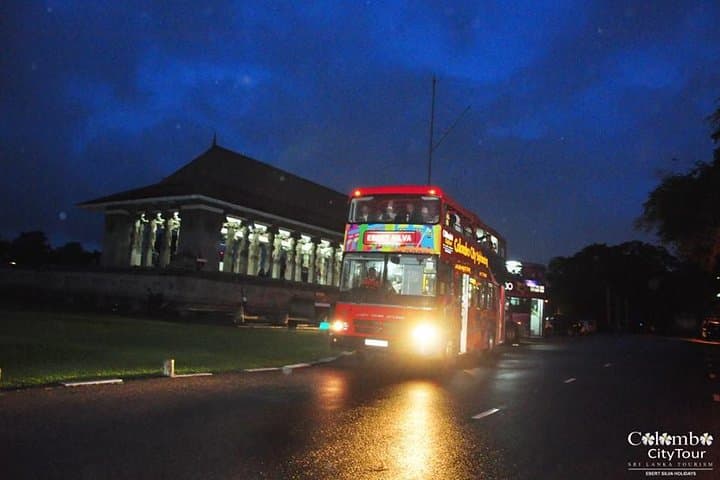
The bus pulls away as the late-afternoon heat loosens its grip, and Colombo begins to shift into a different rhythm: traffic lights blink against glass fronts, fishermen tidy nets along the harbour edge, and Beira Lake cools beneath a lowering sky. From the open-top deck you feel the city move around you — colonial facades sliding past, temple gopurams punctuating the skyline, and the ocean beyond daring the shoreline to hold its edge.
The bus pulls away as the late-afternoon heat loosens its grip, and Colombo begins to shift into a different rhythm: traffic lights blink against glass fronts, fishermen tidy nets along the harbour edge, and Beira Lake cools beneath a lowering sky. From the open-top deck you feel the city move around you — colonial facades sliding past, temple gopurams punctuating the skyline, and the ocean beyond daring the shoreline to hold its edge.
Colombo is a layered port city shaped by maritime trade and successive colonial administrations; the tour highlights British-era architecture, compact commercial streets like York Street, and civic landmarks such as the town hall and war memorial. Geologically the area sits on a flat coastal plain at the mouth of the Kelani River, where reclaimed land and tidal influence shaped the harbour and the urban lakes that define central Colombo. Culturally, the route threads Hindu kovils, Buddhist shrines, and commercial hubs that reflect the city’s plural heritage.
Practical guidance: the 3–3.5 hour open-top loop suits travelers who want low-effort orientation with photo stops. Bring a light rain layer—evenings can carry unpredictable showers—and wear comfortable shoes for short disembarks. Expect city traffic; plan pickups and returns with extra time if you have onward travel. Local guides narrate in English and point out shorter walking stretches where you can step down to inspect colonial details, a temple façade, or the Beira Lake promenade at sunset.
This is an accessible, sensory city tour that combines big-picture urban history with the immediacy of streetside life—good for first-time visitors wanting an efficient, atmospheric introduction to Colombo.