THE ADVENTURE COLLECTIVE® · Independent discovery and booking for outdoor travel

Walk Cologne at your own pace with a GPS-driven audio guide in seven languages. This 6.2 km self-guided route connects the cathedral, Roman remains and lively squares while letting you explore on your schedule.
Walk Cologne at your own pace with a GPS-driven audio guide in seven languages. This 6.2 km self-guided route connects the cathedral, Roman remains and lively squares while letting you explore on your schedule.
You step out of the tram into the square and the cathedral immediately draws your eyes upward; the audio guide prompts you to look left, then right, and fills the gaps that guidebooks leave.
Verified experiences and guided adventures in the surrounding area.
Operated by City App Tour · Cologne, North Rhine-Westphalia
You step out of the tram into the square and the cathedral immediately draws your eyes upward; the audio guide prompts you to look left, then right, and fills the gaps that guidebooks leave.
This self-guided city walk traces roughly 6.2 km through Cologne’s compact center, linking Roman ruins, medieval gates and the broad sweep of the Rhine. The route passes the Kölner Dom — a High Gothic icon that dominated the skyline for centuries — then winds through Altstadt alleys where patinated stone and Baroque facades keep their stories close. Historically Cologne grew from a Roman military outpost (Colonia Claudia Ara Agrippinensium) into a medieval trade hub; fragments of that past, like the Römerturm, still poke through the modern fabric.
Geology here is subdued: riverine terraces and post-glacial deposits shaped the Rhine plain, while the city’s brick and sandstone tell civic and ecclesiastical priorities. Culturally, expect a blend of Rhineland straightforwardness and a lively café scene — the Belgian Quarter is a short detour for contemporary street life.
The tour runs on GPS and audio in seven languages, so the practical side is simple: stay charged, use headphones, and allow 2–3 hours at a relaxed pace (you have until the next day to finish). Wear comfortable shoes for cobbles and steps, check museum hours if you plan side visits, and pick quieter morning or late-afternoon windows to avoid peak crowds at the cathedral. This is urban exploration with the freedom to pause, linger, and learn at your own tempo.
easy.
2–3 hours (up to next day to finish).
Suitable for most fitness levels; able to walk 6 km on uneven pavement.
Yes — the activity requires an internet connection and GPS function on your phone to stream audio and follow the route.
The walking distance is about 6.2 km and the average time is 2–3 hours; you can pause, enter attractions, and finish by the end of the next day.
The tour offers narrated content in seven languages — select your preferred language when activating the app.
Much of the city center has cobbles and steps; some stretches are accessible, but mobility users should check specific segments and consider alternative paths.
Cologne began as a Roman city (Colonia Claudia Ara Agrippinensium) and expanded into a major medieval trade center; its cathedral project spanned centuries and defines much of the skyline.
Walking is low-impact; stick to marked paths, avoid leaning on fragile masonry, and support local conservation by using waste bins and following signage in historic sites.
City App Tour operates guided outdoor trips and adventures with an emphasis on safety, stewardship, and memorable experiences.
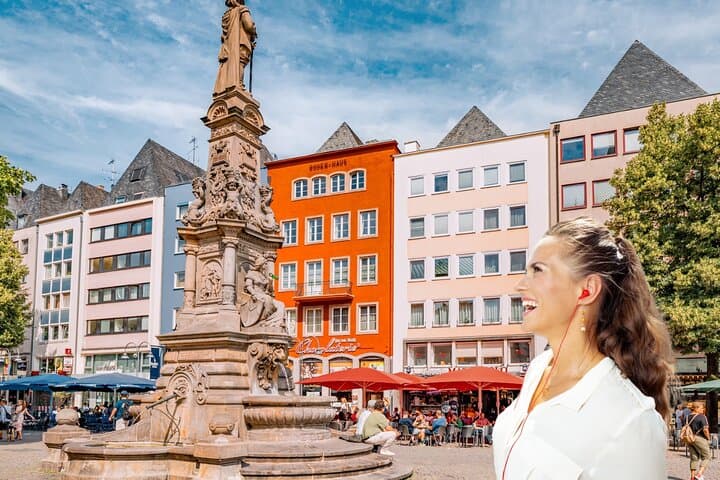
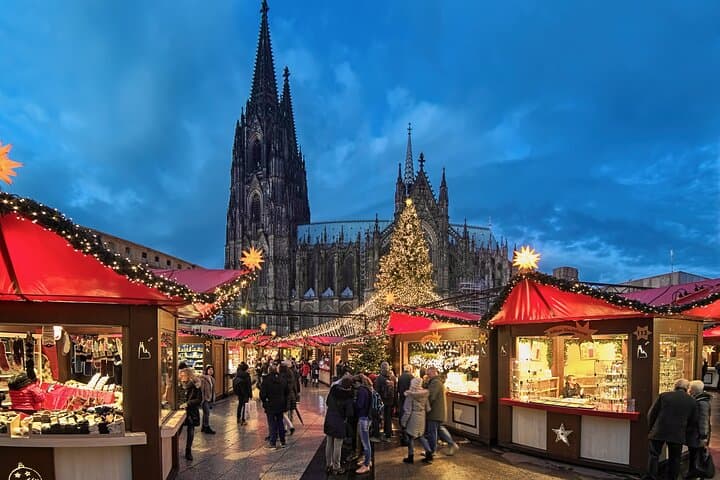
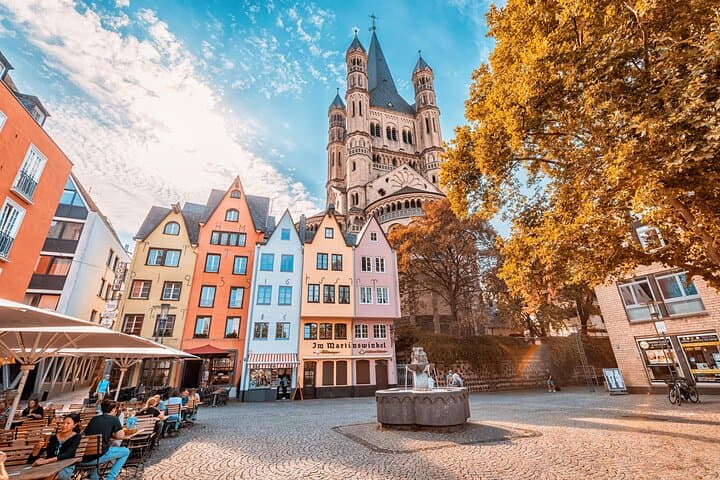
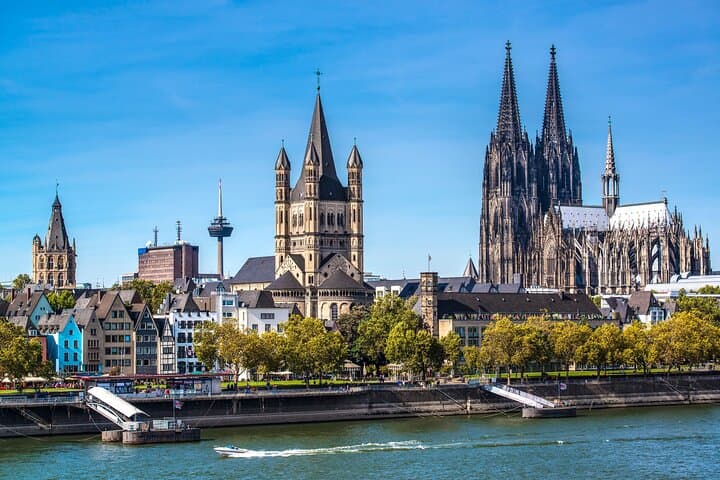
You step out of the tram into the square and the cathedral immediately draws your eyes upward; the audio guide prompts you to look left, then right, and fills the gaps that guidebooks leave.
You step out of the tram into the square and the cathedral immediately draws your eyes upward; the audio guide prompts you to look left, then right, and fills the gaps that guidebooks leave.
This self-guided city walk traces roughly 6.2 km through Cologne’s compact center, linking Roman ruins, medieval gates and the broad sweep of the Rhine. The route passes the Kölner Dom — a High Gothic icon that dominated the skyline for centuries — then winds through Altstadt alleys where patinated stone and Baroque facades keep their stories close. Historically Cologne grew from a Roman military outpost (Colonia Claudia Ara Agrippinensium) into a medieval trade hub; fragments of that past, like the Römerturm, still poke through the modern fabric.
Geology here is subdued: riverine terraces and post-glacial deposits shaped the Rhine plain, while the city’s brick and sandstone tell civic and ecclesiastical priorities. Culturally, expect a blend of Rhineland straightforwardness and a lively café scene — the Belgian Quarter is a short detour for contemporary street life.
The tour runs on GPS and audio in seven languages, so the practical side is simple: stay charged, use headphones, and allow 2–3 hours at a relaxed pace (you have until the next day to finish). Wear comfortable shoes for cobbles and steps, check museum hours if you plan side visits, and pick quieter morning or late-afternoon windows to avoid peak crowds at the cathedral. This is urban exploration with the freedom to pause, linger, and learn at your own tempo.